
A foundation for sustainable national development
DTO/NDO- Resolution No. 72-NQ/TW (dated September 9, 2025) issued by the Politburo sets out the requirement for comprehensive changes and breakthrough solutions in protecting, caring for, and improving public health.
One of the key requirements is to shift the focus from passive medical treatment to proactive disease prevention; from late-stage medical intervention to early screening, management, and protection of people’s health from the outset, at the grassroots level.
This shift aims to build a healthy Viet Nam where all citizens receive healthcare, live longer, and lead healthier lives. It represents a major transformation in the approach to healthcare, as well as a far-reaching reform that places people at the centre, with the ultimate goal of protecting health before illness occurs.
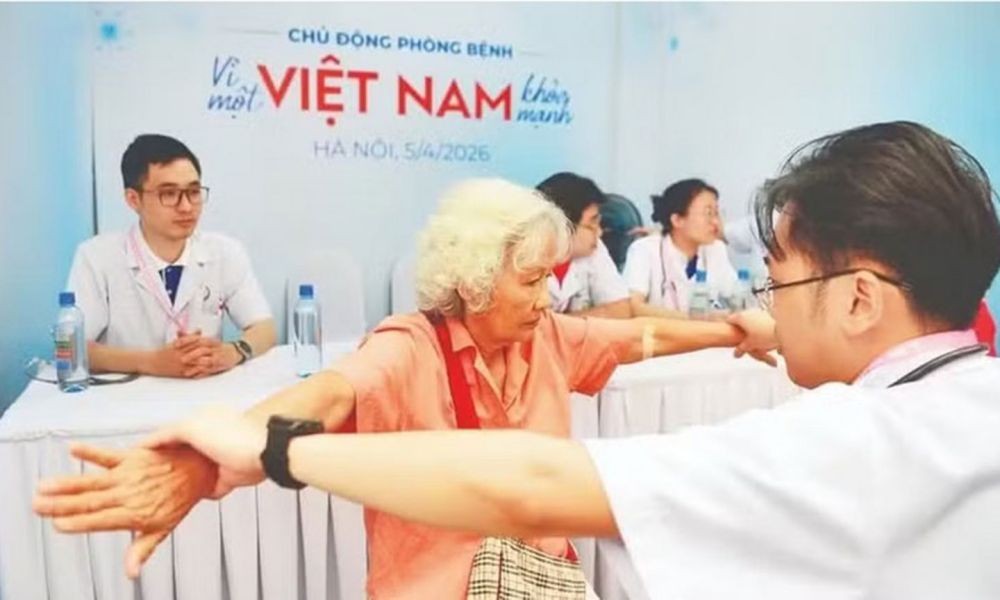
To realise the viewpoints and objectives set out in Resolution No. 72-NQ/TW as well as the Resolution of the 14th National Party Congress, at the recent launch of the National Health Day, Party and State leaders called on all levels and sectors to regard public health protection and care as an important and regular political task.
For each citizen, regular physical exercise and sports should be seen as a personal need and a daily habit. A newly emphasised requirement is the building and practice of a “health culture”.
Health culture is reflected in adopting a scientific and civilised lifestyle, maintaining a balanced diet, ensuring food safety, consuming clean food and water, and living in a clean environment; limiting tobacco use, alcohol consumption, and other harmful substances; and protecting the surrounding environment to create green, clean, and healthy living spaces.
Each individual needs to change their habits in caring for their health—not waiting until illness arises to seek medical attention, but proactively undergoing regular health check-ups and disease screening. A reasonable and healthy diet will help prevent disease and improve quality of life.
At present, Viet Nam faces a triple burden of malnutrition: stunting among children; micronutrient deficiencies in disadvantaged areas and vulnerable groups; and a rapidly rising rate of overweight and obesity in urban areas and major cities. Of these, increasing overweight and obesity are the main drivers behind the rapid rise in non-communicable diseases.
To address all three burdens, individuals need to maintain a healthy diet throughout their lives. Nutrition experts point out that achieving a healthy diet requires changes beginning with daily family meals, as Vietnamese people currently consume nearly twice the amount of salt recommended by the World Health Organisation.
There are three major “culprits” that pose significant health risks and must be strictly controlled: salt, alcohol, and tobacco. Among these, reducing salt intake in daily meals is a simple yet highly effective and practical measure to protect the health of individuals and families. Salt reduction should begin with food selection, grocery shopping, and meal preparation. A scientific diet must ensure a balance among food groups while limiting risk factors.
Health is the most valuable asset for every citizen and serves as the foundation and driving force for rapid and sustainable national development. Alongside the efforts of the State and professional agencies, the role of each individual is decisive. Initiating change and building and practising a health culture to adopt a scientific and healthy lifestyle will not only benefit individuals but also help reduce the burden on families and society.
(Source: NDO)