
Controlled Antibiotic Use - A Strategic Path Toward Sustainable Livestock Development
(DTO) Since the mid-20th century, sub-therapeutic doses of antibiotics have been incorporated into animal feed to prevent disease, improve feed conversion rates, promote growth, and boost livestock yields.
ANTIBIOTIC-FREE FARMING - AN URGENT IMPERATIVE
Over time, the drawbacks of prolonged antibiotic use in animal feed have become increasingly evident. This practice can exert selective pressure on antimicrobial resistance within livestock populations, heightening the risk of developing antibiotic-resistant bacterial strains in both human medicine and veterinary science, thereby accelerating the emergence of superbugs.
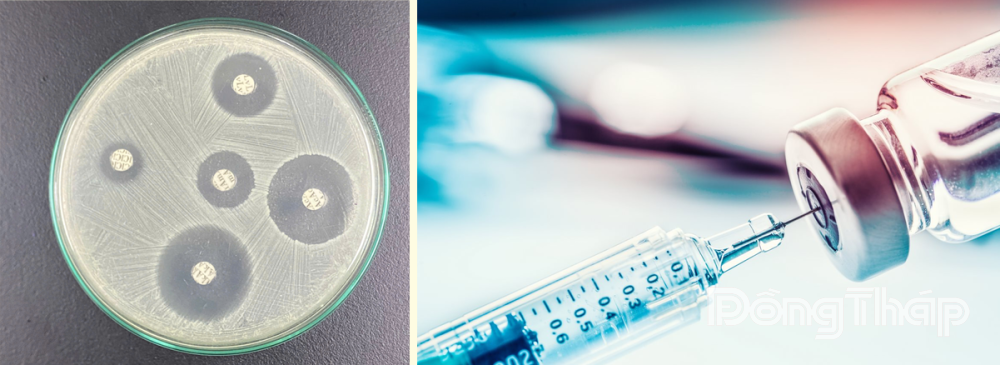
This phenomenon has rendered once-effective antibiotics less potent or entirely ineffective in treating illnesses.
Consequently, the use of antibiotics in animal feed has gradually triggered severe impacts on livestock health and yields by suppressing the immune system, reducing vaccine efficacy and disrupting the balance of beneficial gut microbiota, leading to acute digestive disorders.
To meet the surging global demand for animal protein, the expansion of livestock farming has led to increased antibiotic usage, contributing to the emergence and spread of antimicrobial resistance.
According to research, approximately 50% of globally produced antibiotics are utilized in the livestock industry. Estimated antibiotic consumption stands at about 118 mg/kg for humans and 133 mg/kg for livestock.
When multiplying these figures by the estimated global biomass of around 35,000 tonnes for humans compared to 85,000 tonnes for livestock, the data indicates that animals account for roughly 72% of total antibiotic consumption.
According to experts, antibiotic residues in livestock products currently pose a grave concern for consumer health. Consuming residual antibiotics in meat, eggs, milk, and other products can lead to bioaccumulation in the human body over time. These residues can trigger allergic reactions, disrupt gut microbiota balance, weaken immune functions, and pose a substantial threat to human health.
Furthermore, livestock waste containing antibiotic residues infiltrates the environment, polluting water, soil, and air, which disrupts ecological balance.
Under mounting pressure from international organizations and consumers, the shift toward antibiotic-free livestock farming is becoming an urgent imperative. Vietnam has promulgated Decree No. 13/2020/ND-CP dated January 21, 2020, guiding the Law on Livestock in detail, alongside Decree No. 46/2022/ND-CP dated July 13, 2022, amending several articles of Decree No. 13/2020/ND-CP. Accordingly, Article 12 clearly stipulates that disease-preventing antibiotics in animal feed are permitted only for piglets weighing up to 25 kg or from birth to 60 days of age; chickens, ducks, muscovy ducks, and quails from 1 to 21 days of age; rabbits from birth to 30 days of age; and calves and buffalo calves from birth to 6 months of age. Furthermore, antibiotics can only be used in manufacturing complete compound feed for livestock and poultry, as well as concentrate feed for herbivores.
BUILDING A SAFE AND SUSTAINABLE LIVESTOCK SECTOR
Consequently, as of January 1, 2026, antibiotics will be strictly banned in animal feed for preventive purposes. Previously, in 2018, Vietnam outlawed antibiotics as growth promoters, and the country is now moving toward completely eradicating preventive antibiotics.
Therefore, antibiotics will only be permitted for therapeutic use when livestock are diagnosed with an illness, and must strictly follow a prescription issued by a licensed veterinary professional.
This is considered a major turning point, presenting significant challenges for the livestock sector while opening up windows of opportunity to drive a transition toward safety and sustainability.
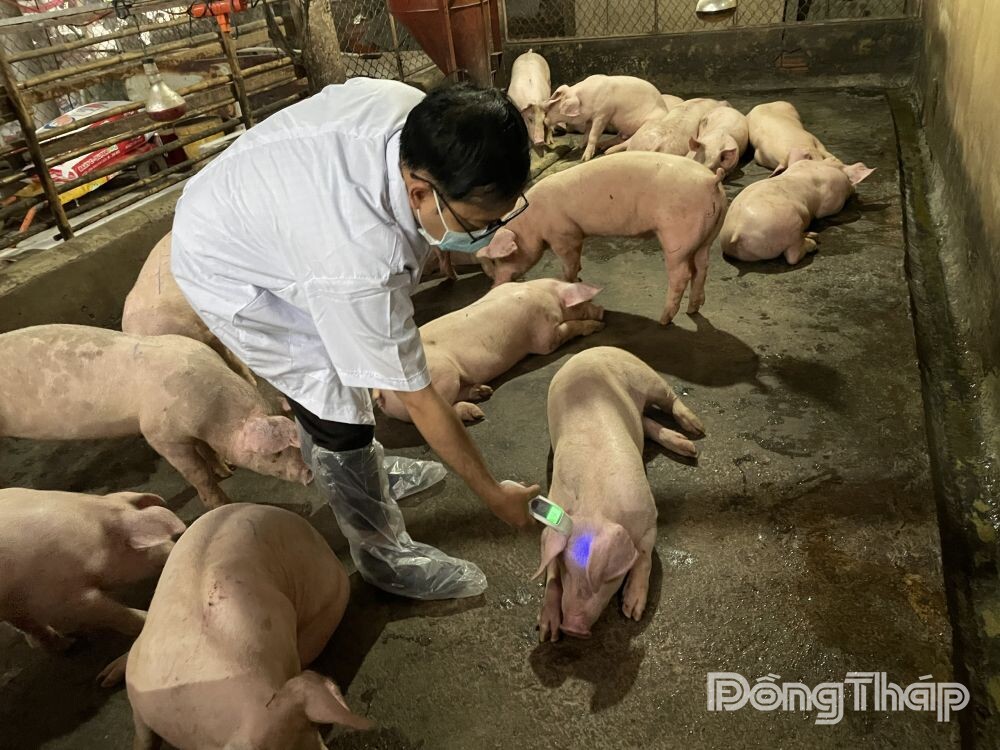
Ahead of the antibiotic ban roadmap, many enterprises have proactively adapted, experimenting with and launching alternative solutions. Foreign direct investment (FDI) giants—such as C.P., De Heus, CJ, and Japfa—have stepped up R&D into antibiotic-free feed formulas enriched with bio-additives and enzymes, while investing in closed-loop livestock chains to control diseases.
Domestic enterprises, including GreenFeed, Dabaco, and Masan MEATLife, have introduced "antibiotic-free" meat products, anchoring their brands to food safety. Meanwhile, the veterinary pharmaceutical industry is shifting toward vaccines, microbial products, and herbal medicines.
As a major livestock production hub in the Mekong Delta, Dong Thap Province currently boasts a total poultry flock of up to 22.9 million birds and a pig herd of approximately 460,900 heads.
Annually, the locality supplies the market with around 1.1 million pigs and 1.7 billion eggs.
However, the provincial livestock sector still faces a major challenge regarding sub-therapeutic antibiotic use, particularly the deep-seated habit of blending antibiotics into feed and drinking water for "disease prevention" even when the herds are perfectly healthy.
In recent years, Dong Thap Province's livestock sector has encountered numerous headwinds due to disease outbreaks, market price fluctuations, rising input costs, and increasingly stringent requirements regarding food safety, environmental protection, and traceability.
In particular, African swine fever, volatile live hog prices, the looming risk of poultry oversupply, and competitive pressure from imported products have directly impacted the livelihoods and incomes of local livestock farmers.
To remedy these issues, the Livestock Association has partnered with the provincial Sub-Department of Livestock Production and Animal Health to host regular training sessions, proactively driving the Government’s roadmap to curb sub-therapeutic antibiotic use.
Public awareness campaigns focus on controlling and utilizing antibiotics based on unwavering core principles: use only upon bacterial infection, select the right drug, ensure correct dosage, adhere to the treatment timeline, administer via the proper route, and strictly observe the withdrawal period.
Additionally, antibiotic substitutes are highly recommended, including: probiotics, prebiotics, organic acids, phytogenic compounds, enzymes, antimicrobial peptides, bacteriophages, and vaccines.
Concurrently, the Dong Thap Provincial Livestock Association has effectively rallied its members, facilitated technology transfers, and supported local farmers in boosting livestock productivity and economic returns. This collective effort helps multiply successful, biosecure farming models that leverage cutting-edge technologies, steering the region toward sustainable agriculture and improved farmer livelihoods.
The Association actively incentivizes farming facilities to attain VietGAP certification, develop OCOP-branded products, and adopt eco-friendly practices.
Many members have boldly invested in cutting-edge technologies to progressively elevate yields and product quality, mitigate environmental footprints, and boost earnings.
Notably, circular farming practices have enabled numerous households to repurpose livestock waste into organic fertilizer, slashing input costs and contributing to a green agricultural economy.
In conclusion, optimizing the use of substitutes and systematically controlling antibiotics is the ultimate pathway to building a safe and sustainable livestock sector for Dong Thap Province.
This proactive approach not only safeguards the "One Health" ecosystem but also plays a pivotal role in reducing antibiotic residues, halting environmental contamination, and comprehensively protecting both human and animal health.
By DR. THAI QUOC HIEU - THI DAM
Translated by X.QUANG