
Dong Thap Maps Out Plan to Boost Night-Time Economy in My Tho and Sa Dec
(DTO) The Dong Thap Provincial People’s Committee has approved the outline and budget estimate for a master plan on developing the province’s night-time economy through 2030, with a vision to 2050.
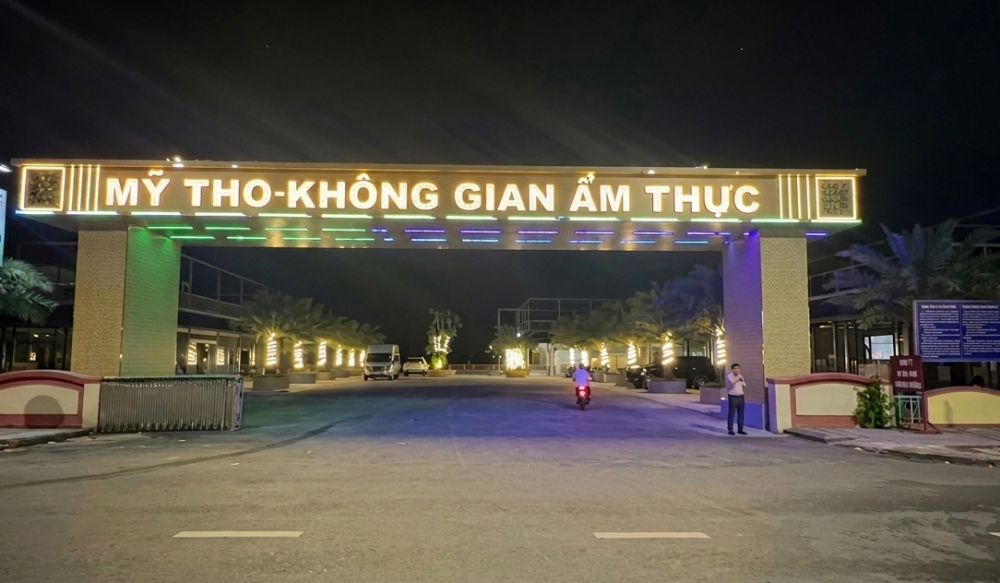
Under the plan, implementation will be carried out during 2026-2030, with strategic directions extending to 2050. It is aligned with Dong Thap Province’s development plan for 2026-2030 and its vision to 2050, and will be rolled out in two phases to concentrate resources effectively.
During the pilot phase (2026-2028), Dong Thap will establish key night-time economy hubs by investing in pilot models in urban centers and tourism destinations with the strongest foundations and greatest potential for rapid growth, representing the province’s key subregions, including My Tho, Sa Dec, and other major urban centers.
In the expansion and connectivity phase (2029-2030, with a vision to 2050), successful pilot models will be replicated and linked together to create a diverse network of night-time economic corridors and routes.
Sa Dec, known for its flower village, night market, and historic riverside quarter, is expected to develop attractions such as flower-themed pedestrian streets, specialty food markets, don ca tai tu performances, local cultural experiences, river-based night cruises, and tours connected with cultural, historical, and architectural heritage sites.
Meanwhile, My Tho has advantages in urban tourism thanks to its river-based attractions, urban history, and the trading culture of the Mekong Delta. It is expected to focus on entertainment services, pedestrian streets, food precincts, and shopping areas showcasing the province’s signature products.
The plan also calls for connections with river cruise routes, high-quality homestays, countryside culinary experience spaces, and cultural and artistic activities to enhance the appeal of night-time tourism.
For other localities, suitable development models will be selected based on local conditions, development strengths, and each area’s urban, commercial, service, and tourism orientation.
The master plan focuses on six major categories of products and services. In culture and the arts, the province aims to bring don ca tai tu, cai luong, and traditional festivals into night-time spaces. Entertainment offerings will include pedestrian streets, live music venues, and community activities. Culinary experiences will highlight local specialties such as lotus-based dishes, Siamese mud carp, and hu tieu noodles at night markets and food streets.
For shopping, the province will promote souvenirs, OCOP-certified products, and local specialties. Night-time experiences will include early-morning floating market tours, lotus garden visits at night, and homestay experiences. The accommodation sector will focus on expanding hotels and homestays integrated with a variety of night-time services.
These interconnected products are expected to become the province’s main attractions for night-time visitors, making them the core focus of the development strategy.
The plan aims to identify solutions for developing a modern and well-managed night-time economy while leveraging the potential and strengths of the province’s commerce and service sectors. It is expected to help accelerate economic restructuring, create more jobs, improve incomes and quality of life, and contribute to achieving the economic targets set out in the Resolution of the 1st Dong Thap Provincial Party Congress for the 2025-2030 term.
Alongside approving the project’s outline and budget estimate, the Dong Thap Provincial People’s Committee has also established an inter-agency working group to prepare the master plan.
By M. THANH
Translated by ANH DUC