

Dong Thap Police Launch Intensive DNA Collection Campaign for Relatives of Unidentified Martyrs
(DTO) From July 5 to 10, the Dong Thap Provincial Police are conducting an intensive campaign to collect DNA samples from relatives of martyrs whose identities have yet to be established. The campaign implements directives of the Politburo and the Prime Minister on locating and identifying the remains of martyrs with incomplete information, reflecting the nation's enduring traditions of gratitude "When drinking water, remember its source" and paying tribute to those who contributed to the nation.
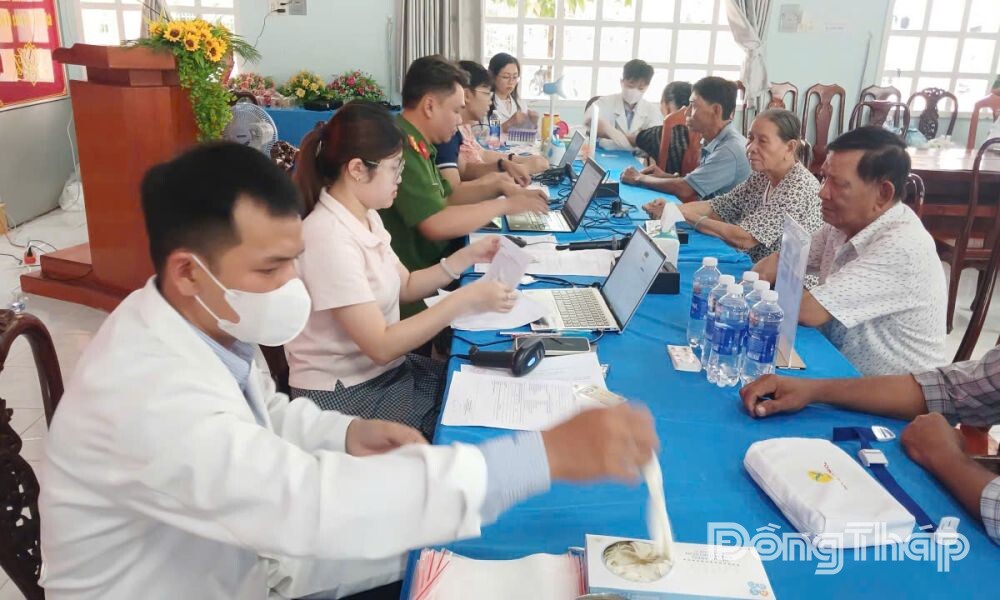
In line with directions from the Ministry of Public Security and the Dong Thap Provincial People's Committee, the provincial police have issued a plan to carry out the campaign across the province. They have also instructed commune- and ward-level police to coordinate with the Culture and Social Affairs Divisions under local People's Committees to review martyrs' records, identify beneficiaries of martyr allowances, and determine individuals eligible for DNA sample collection.
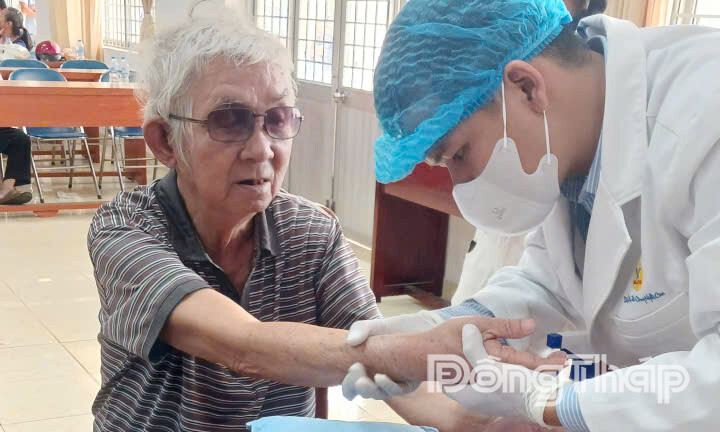
To date, commune- and ward-level police have updated the National Population Database with information on 46,925 martyrs and 46,925 relatives receiving martyr benefits. Among them, 35,955 martyrs have had their burial locations identified, while 10,970 martyrs remain unidentified. Information on 5,840 maternal-line relatives eligible for DNA sampling has also been updated.
To closely monitor progress and promptly address difficulties at the grassroots level, the provincial police organised meetings in three regional clusters with the participation of specialised divisions and commanders and officers directly responsible for the campaign from 102 commune- and ward-level police units across the province.
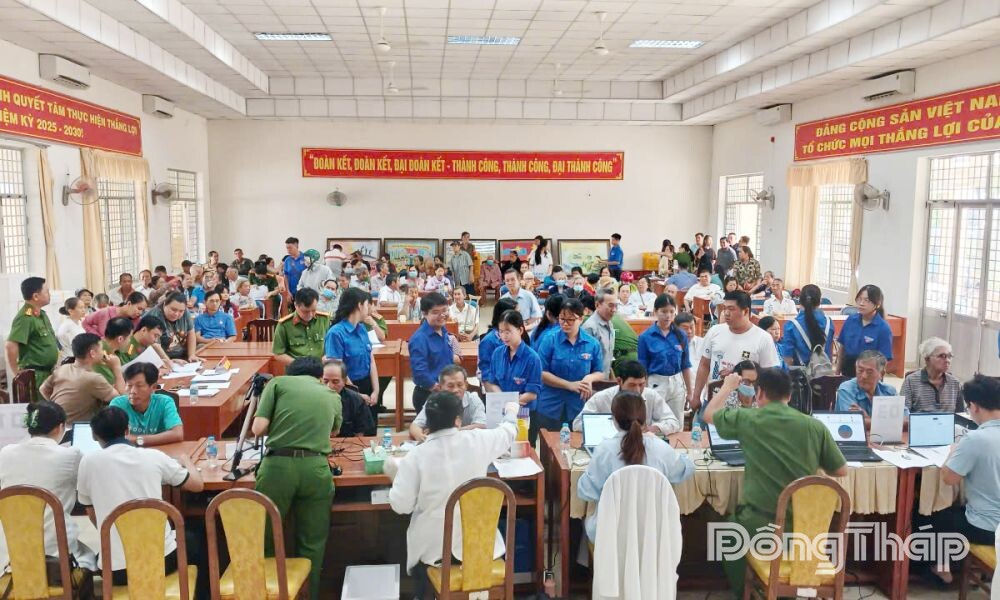
To maximise convenience for martyrs' relatives, the provincial police have coordinated with the Police Department for Administrative Management of Social Order under the Ministry of Public Security and their corporate partner, GeneViet Company, to establish 12 DNA collection teams operating at 25 fixed collection sites. Mobile teams have also been deployed to collect samples at the homes of elderly, ill, or mobility-impaired relatives.
For martyrs whose identities remain unknown, commune- and ward-level police are working with families to verify and identify at least two living maternal-line relatives for DNA sampling. The order of priority is: (1) the martyr's biological mother; (2) the maternal grandmother; (3) full siblings sharing the same mother; (4) the mother's siblings (maternal uncles and aunts); (5) children of the martyr's maternal aunts; and (6) children of the martyr's sisters.
The campaign carries profound humanitarian significance, helping reunite fallen soldiers with their families and easing, in part, the pain left by war. To ensure the Government's policy is implemented effectively, families of martyrs whose identities have not yet been established are encouraged to actively cooperate with commune- and ward-level police by providing information on maternal-line relatives. Eligible family members are also urged to visit designated collection points to provide blood samples for DNA analysis, contributing to the early identification of martyrs and enabling them to return to their families and homeland.
By LONG GIANG - THANH HIEU
Translated by X.QUANG