
Dong Thap Province Delegation Studies Community Development Models in Thailand
(DTO) On May 28, 2026, as part of its working trip to Thailand, the delegation from Dong Thap Province, led by Phan Van Thang, Permanent Deputy Secretary of the Provincial Party Committee and Chairman of the Vietnam Fatherland Front Committee of Dong Thap Province, visited Chonburi Province to learn from various exemplary models in community development, ecological agriculture, and human resource training.
Also present was Chinoros Benjachavakul, Senior Vice President of C.P. Vietnam Corporation. The trip aimed to strengthen the exchange of experience in sustainable rural development, community-based economic growth, and climate-resilient livelihood models.
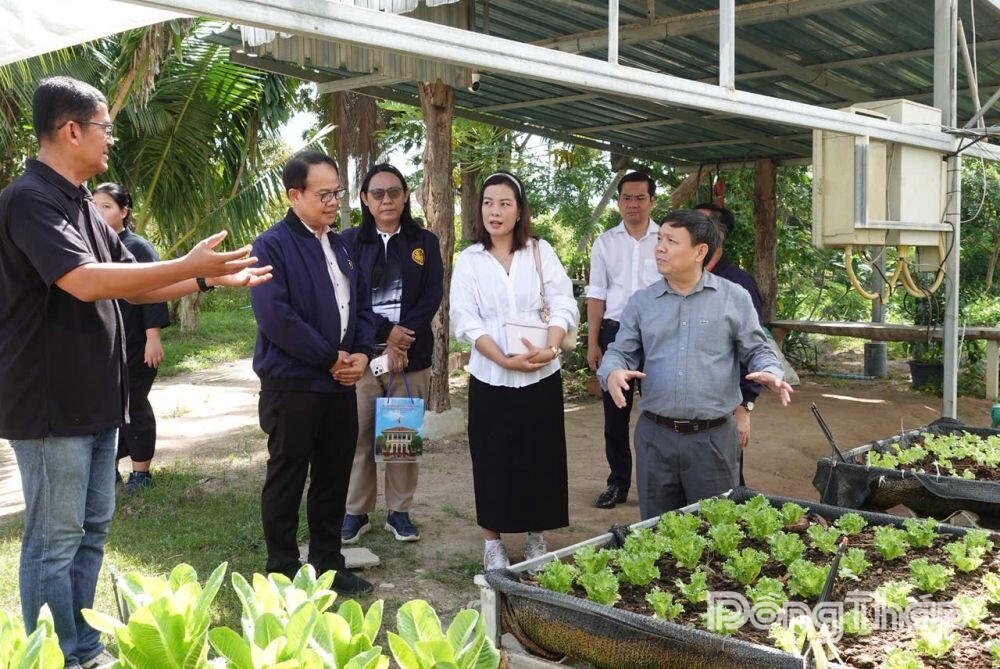
The first destination was Patch’s Garden Khok Nong Na, an exemplary ecological agriculture model developed under Thailand’s Royal “Sufficiency Economy” Philosophy. Here, the delegation learned about closed-loop agricultural planning, combining water reservoir digging, fruit-tree cultivation, vegetable farming, and livestock raising, to maximize natural resources.
The Khok Nong Na model enables farmers to secure water supply, diversify production, and establish a sustainable agricultural ecosystem, thereby improving household income. The delegation highly appreciated the local approach of integrating agriculture with experiential tourism and environmental protection.
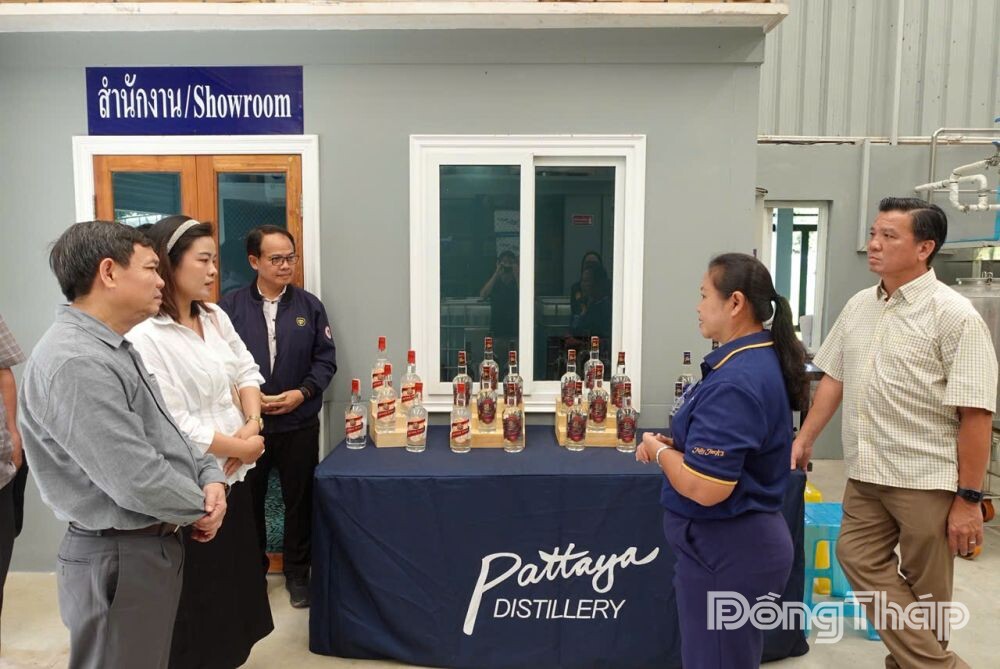
The delegation then toured Pattaya Distillery Co., Ltd., a leading enterprise specializing in processing and developing value-added products from local raw materials, particularly sugarcane.
At the site, the delegation explored the production process, branding strategies, and the company’s model combining manufacturing with experiential tourism. A company representative shared their product development orientation, emphasizing local identity, high quality, and environmentally friendly production to enhance the value of regional agricultural products.
The Dong Thap delegation expressed keen interest in the company’s experience in developing value chains, from production and processing to tourism-linked product promotion.
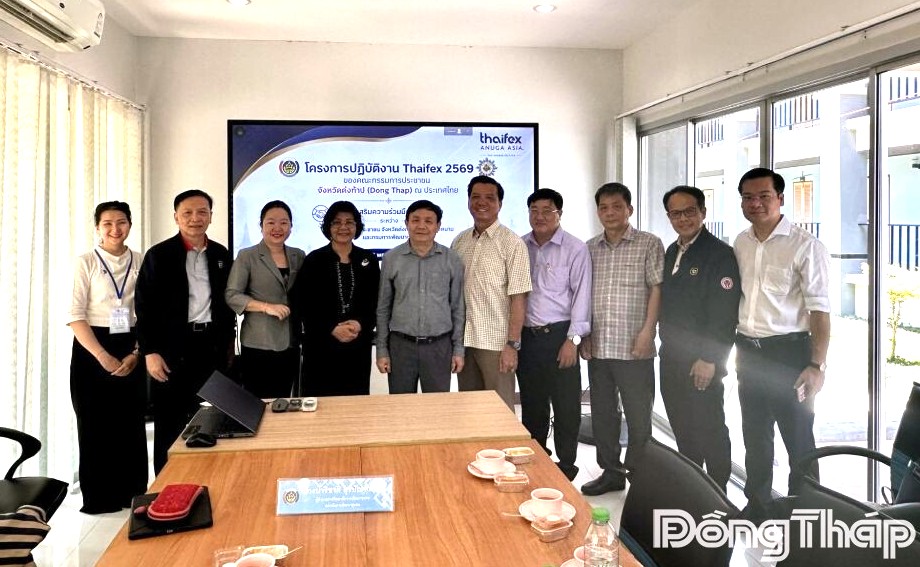
The delegation also visited and worked with the Community Development Academy under the Thailand Human Resource Development Institute, part of the Community Development Department (CDD) in Chonburi. The Academy is a major training institution under Thailand’s Ministry of Interior, focusing on community development and sustainable rural practices.
At the Academy, the delegation was introduced to its organizational structure, training programs for community development officers, local economic development models inspired by the “Sufficiency Economy,” and various capacity-building methods for local officials and residents.
Training programs here are designed to closely link theory with practice, emphasizing community-based learning and field visits to actual development models.
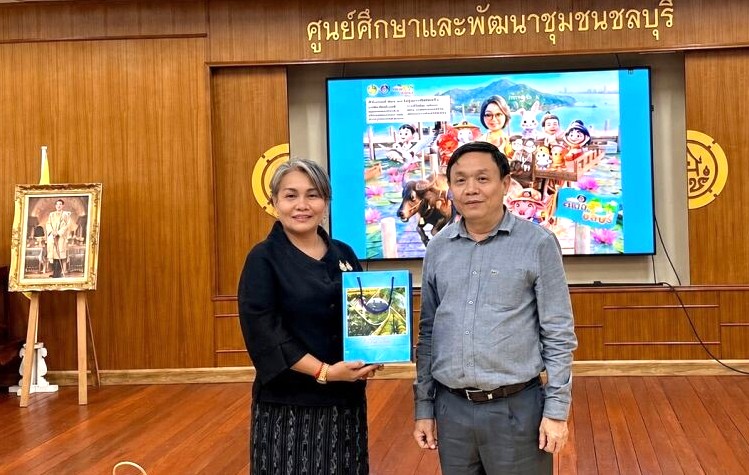
At the Regional Community Development Learning and Service Center No. 2, a key unit supporting training, technology transfer, and the linkage of community development models in Eastern Thailand, the delegation learned about practical models of community economic development, OTOP product management, the application of digital tools in community data management, and the creation of support networks for sustainable livelihood development.
The delegation highly valued the Center’s approach that combines hands-on training, real-world model studies, and grassroots community support. The Center serves not only as a training hub for community development officers but also as a bridge connecting government agencies, businesses, and communities to promote sustainable local economic growth and climate resilience.
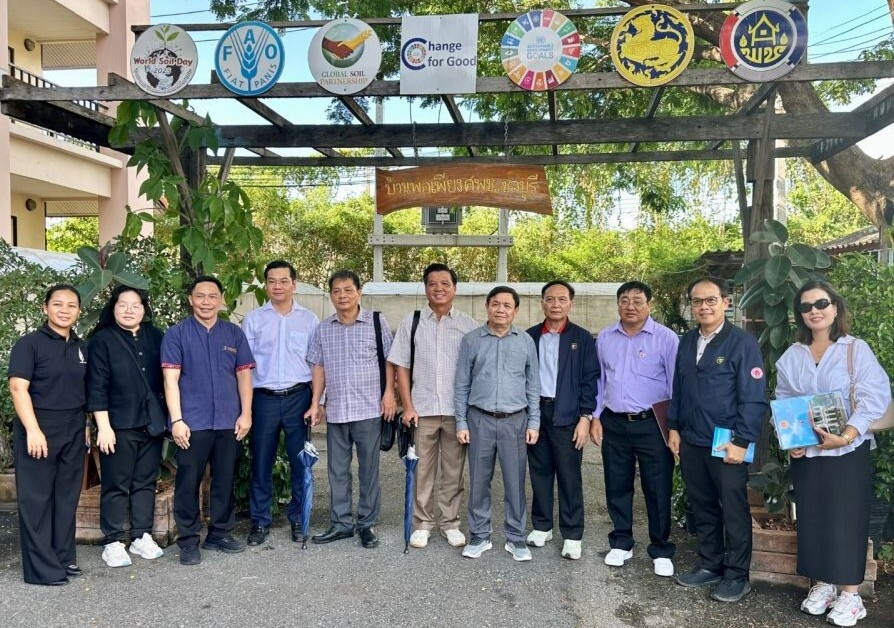
Through these visits and working sessions, the Dong Thap delegation recognized the practical value of Thailand’s experience in community development, ecological agriculture, and rural human resource training. Several models were considered suitable for adaptation to Dong Thap’s conditions, especially in rural economic development, community-based tourism, and capacity building for grassroots-level officers.
The working trip also contributed to strengthening cooperation and exchange, while opening up opportunities for future partnerships between Dong Thap Province and Thai agencies, organizations, and businesses.
By HONG GAM
Translated by ANH DUC