
Dong Thap Takes Sector-by-Sector Approach to Achieve Growth Targets
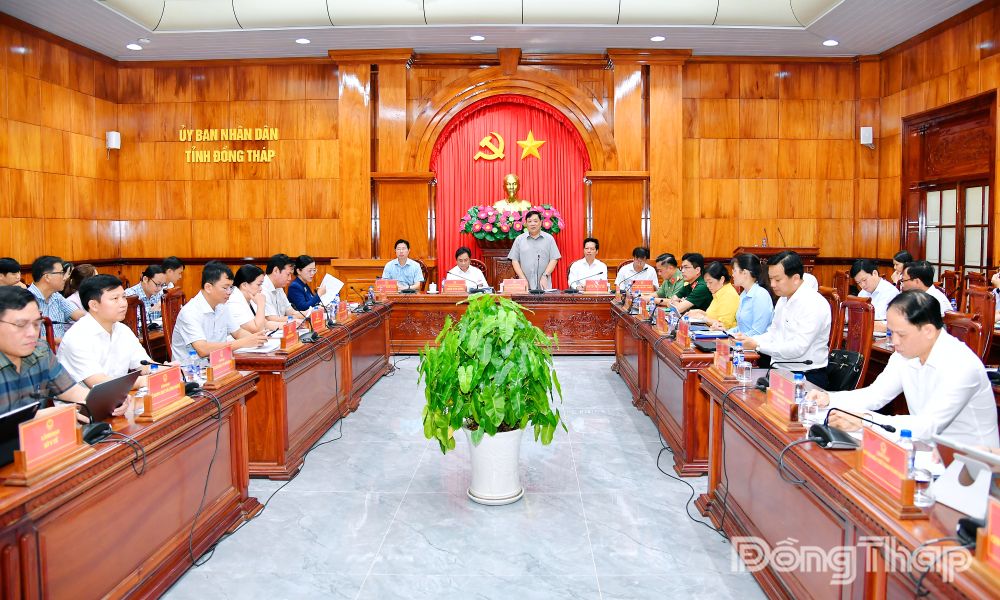
(DTO) On the morning of July 22, the Steering Committee for implementing Dong Thap Province’s 2026-2030 economic growth targets held its second meeting.
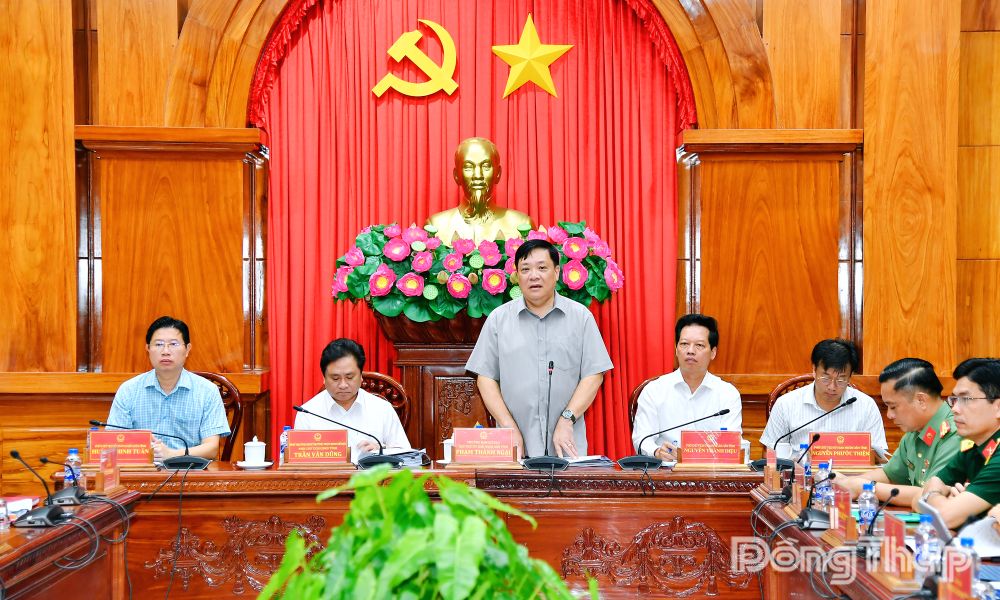
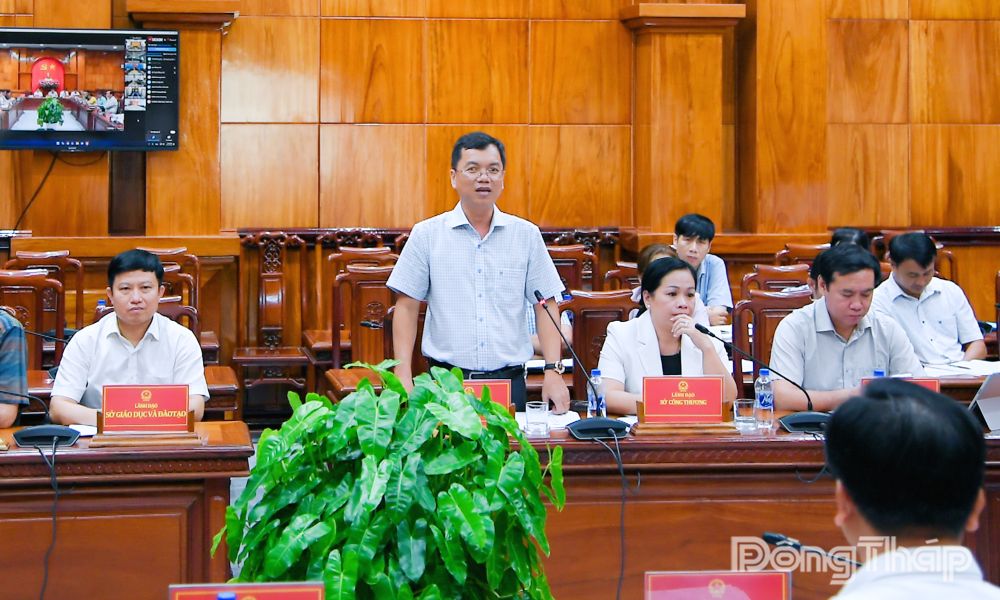
The meeting was co-chaired by Pham Thanh Ngai, Deputy Secretary of the Provincial Party Committee, Chairman of the Provincial People’s Committee, and Head of the Steering Committee, together with the Vice Chairpersons of the Provincial People’s Committee. It was connected online with 102 communes and wards across the province.
Economic growth in the first half of 2026 was driven by three main engines: public investment and construction, manufacturing and processing industries, and trade and services. Among them, public investment and construction remained the strongest growth driver, generating spillover effects across many other sectors.
Meanwhile, agriculture continued to serve as the province’s economic foundation, helping maintain stable growth despite ongoing domestic and global economic uncertainties. These results provide an important basis for Dong Thap to achieve its 2026 growth target under the province’s planned growth scenario.
At the meeting, the Department of Finance reported that the province’s GRDP growth in the first half of the year essentially met its target and exceeded the projected growth scenario. With a growth rate of 7.14%, Dong Thap ranked second among the five Mekong Delta provinces.
During the second quarter, production activities remained stable, with many key industries showing strong signs of recovery. The province’s growth rate reached 4.9%, up 1.24 percentage points from the first quarter and 0.4 percentage points above the projected scenario, contributing to a 4.15% growth rate for the first six months of the year. The agriculture, forestry, and fisheries sector continued to play a stabilizing role, maintaining steady growth despite continued volatility in agricultural markets.
In the first half of the year, the industry and construction sector expanded by 9.52%. Industrial production maintained positive momentum, with the processing and manufacturing sector continuing to be the leading contributor. Many businesses proactively invested in new technologies, improved product quality, and adapted to the increasingly demanding requirements of both domestic and international markets.
The province also continued to prioritize infrastructure development in industrial parks and industrial clusters to create ready-to-use land for investment and production expansion. During the first six months of the year, eight new projects were completed and put into operation. However, most are still in the market entry phase, operating at only 30-40% of their designed capacity, so their contribution to economic growth has yet to meet expectations. At the same time, the power sector continued investing in and completing several 110kV power grid projects, ensuring a stable electricity supply for production, business activities, and residents while supporting the province’s industrial and service sector development.
Meanwhile, the service sector continued its recovery and maintained solid growth, with an estimated 8.06% increase year-on-year, making it another major contributor to the province’s GRDP growth. Key growth drivers included trade, transportation, logistics, tourism, accommodation and food services, finance and banking, and business support services.
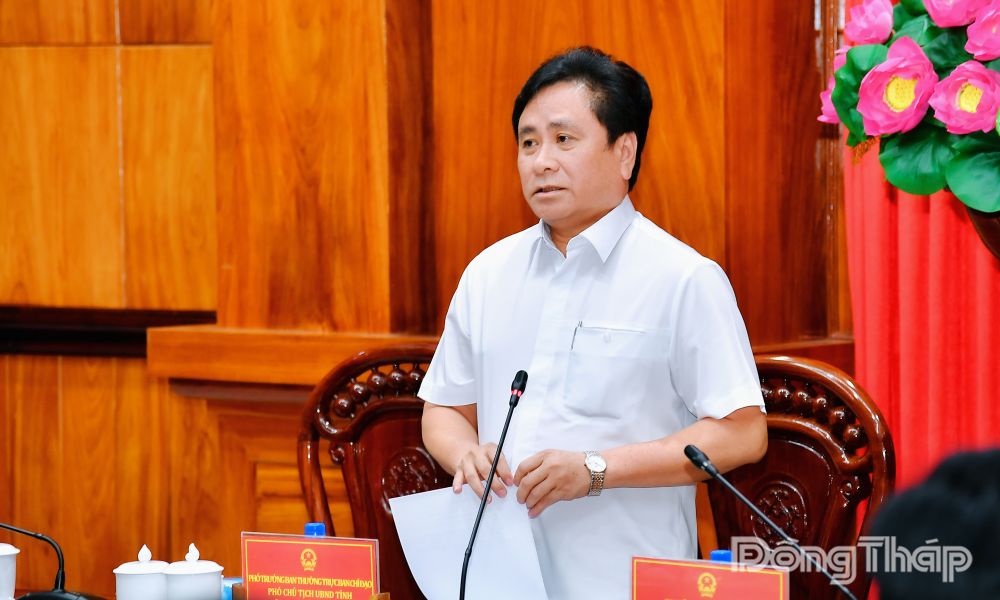
Addressing the meeting, Pham Thanh Ngai called on provincial departments, agencies, and local authorities to focus on implementing socio-economic development tasks for the remaining months of the year. He stressed the need to take a sector-by-sector approach, setting clear growth targets, specific tasks, and practical solutions for each agency, rather than adopting broad, general plans.
The Chairman of the Provincial People’s Committee assigned the Department of Finance, the Steering Committee’s standing agency, to work with relevant departments to promptly finalize the province’s economic growth scenario for 2026. The plan should clearly quantify the expected contribution of each economic sector, industry, and locality, providing a solid basis for management, monitoring, and performance evaluation.
He also instructed departments and agencies to review their commitments and registered tasks, develop detailed action plans for the remaining months of the year, and strengthen oversight of key projects, particularly those at risk of falling behind schedule. Any obstacles should be addressed promptly to avoid affecting public investment disbursement and the province’s overall growth. Special attention should be given to the six border-area schools included in the investment program directed by the Prime Minister.
Chairman Pham Thanh Ngai emphasized that every project must have a clearly identified location and project list to enable close supervision and effective direction, rather than relying on broad aggregate figures. For projects that fail to meet implementation schedules, the province will reallocate funding to other investors capable of completing the work on time.
He also instructed the agriculture sector to closely monitor crop and livestock diseases to safeguard product quality, particularly across the province’s extensive fruit-growing and vegetable production areas, thereby minimizing losses that could affect growth targets. Meanwhile, the tourism sector was tasked with developing and proposing new tourism products to encourage visitors to stay longer and return.
By HA NAM
Translated by ANH DUC