

Food Production Facilities Bustle in the Final Days of the Year
(DTO) As the 27th day of the 12th lunar month arrives, food production facilities are working tirelessly through the final hours. Many establishments are running at full capacity to meet the soaring market demand.
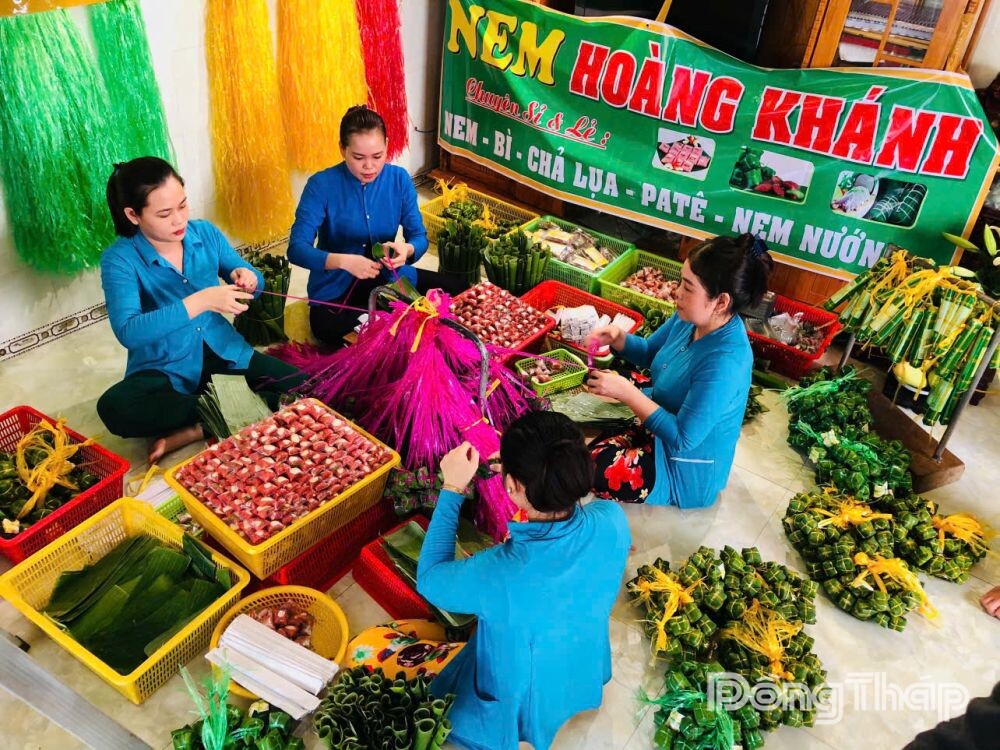
Currently, facilities and businesses producing Nem (fermented pork rolls), bi (shredded pork skin), and cha lua (Vietnamese pork sausage) in Lai Vung and Hoa Long communes have ramped up their operations to ensure sufficient supply for the 2026 Binh Ngo Lunar New Year.
While Lai Vung's specialty Nem is consumed year-round, demand spikes two to three times higher during the pre-Tet period.
A visit to Hoang Khanh Nem Production Facility (Lai Vung Commune) reveals a bustling atmosphere as workers rush to fulfill orders from near and far.
The facility currently employs more than 30 workers handling various stages of production, including preparing and processing ingredients, mixing and fermenting the meat, and wrapping the Nem.
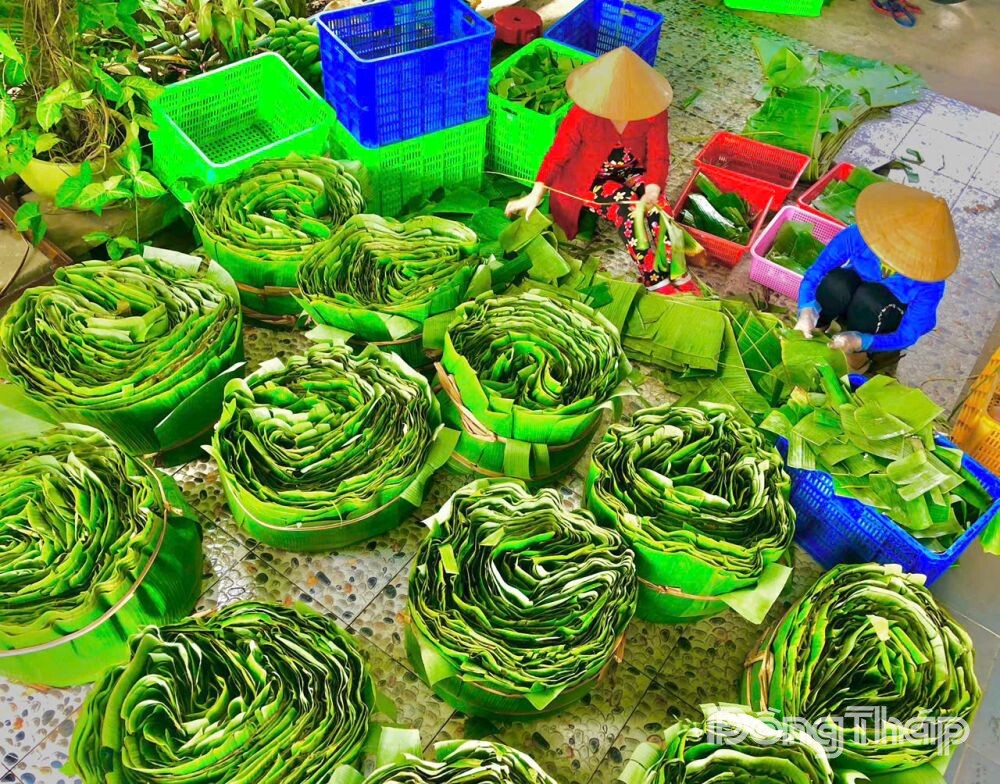
According to Ms. Dang Thi Ngoc Thuy, owner of Hoang Khanh Nem Production Facility, on regular days the facility produces between 5,000 and 6,000 products per day, mainly Nem, along with bi and cha lua.
Currently, daily consumption has doubled or tripled. On peak days, the facility sells more than 20,000 products—three to four times higher than usual.
Ms. Thuy added: “At this time, customers from various provinces and cities choose to buy Nem to serve and entertain guests during Tet. To better meet market demand, we always focus on improving product quality and ensuring food safety and hygiene to maintain and develop the Lai Vung Nem brand.”
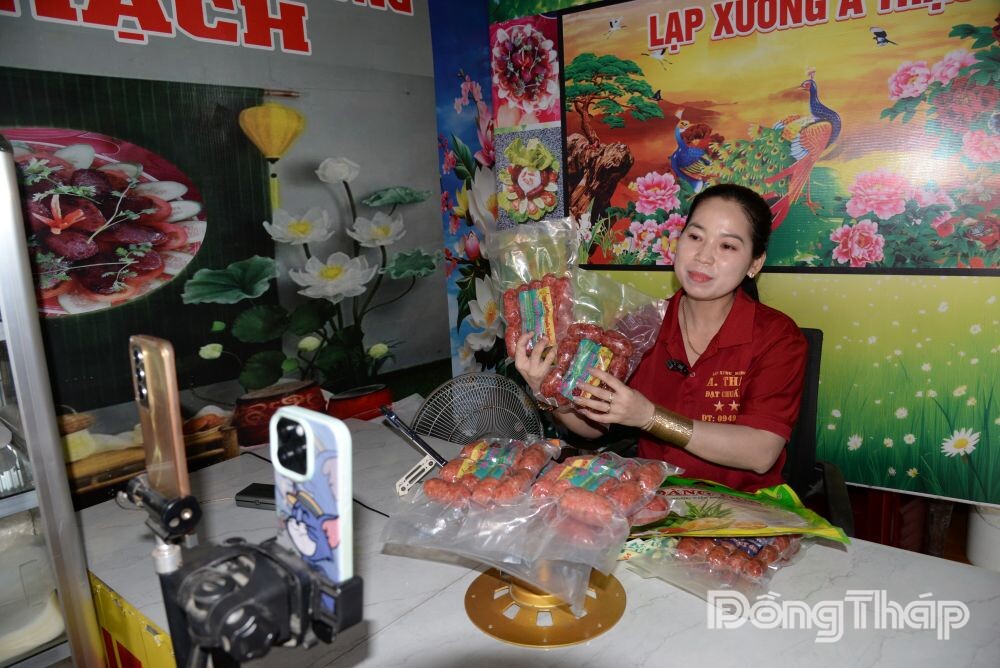
Meanwhile, Ut Thang Nem Production Facility (Hoa Long Commune) is also busier than ever producing Nem, bi, and cha lua for the 2026 Tet market.
Mr. Le Ngoc Thang, owner of the facility, said: “Currently, our products are selling strongly, increasing two to three times compared to normal days. On regular days, we produce 5,000–7,000 items, but now output has more than doubled. To meet demand, we have recruited additional workers to fulfill customer orders.”
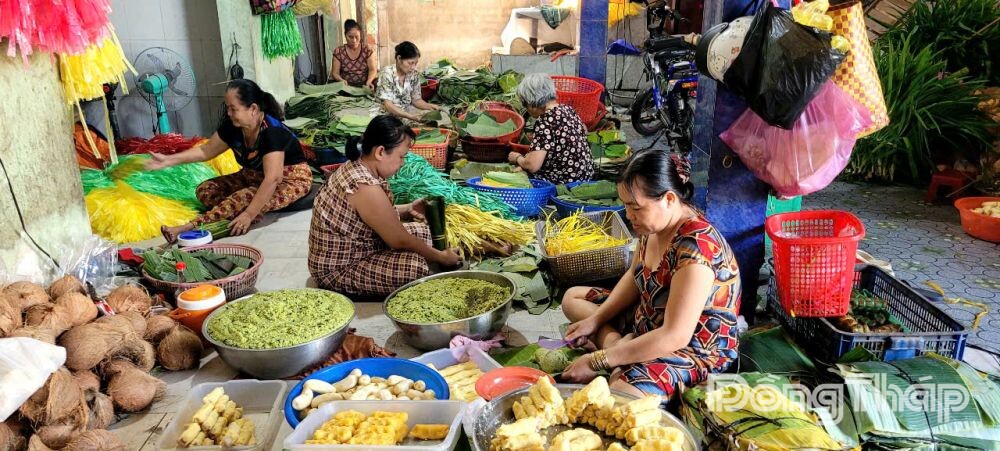
In addition to traditional Nem, producers in Lai Vung and Hoa Long also diversify their product lines with cinnamon-flavored Nem, long rolls of Nem, chewy pork skin, pork skin with fish sauce, salted egg pork sausage, green chili sausage, salted egg pâté, and more.
Along National Highway 1, in the sausage-making villages of My Thanh and Binh Phu communes, facilities are also operating at full capacity. A Thach Household Business in My Thanh Commune specializes in producing Chinese sausage and grilled fermented pork rolls. Currently, it is in peak production season.
Mr. Pham Van Thach shared: “Production has doubled compared to normal days. On average, we produce 400–500 kilograms of sausage and grilled pork rolls daily. Despite strong consumption, we have kept prices unchanged. Overall, consumption this year has increased compared to last year.”
At the My Phong Traditional Craft Village for rice noodles and hu tieu (My Phong Ward), production is also in full swing during the Tet peak season. The working atmosphere is lively and energetic, blending with the festive spirit of the approaching spring.
These days, the hu tieu production facility of Mr. Truong Van Thuan (Hoi Gia Quarter, My Phong Ward), begins work at dawn.
He shared: “Prices this year are generally the same as previous years. We must maintain quality for the market to accept and consume our products.”
Alongside rice noodle and hu tieu workshops, banh tet (cylindrical sticky rice cakes) producers in the My Phong craft village are also operating at maximum capacity.
Ms. Nguyen Thi Ngoc Hoa, owner of Di Hai Banh Tet Facility in Hoi Gia Quarter, said that during Tet, production increases two to three times compared to normal days-especially banh tet, with some production continuing throughout the holiday to meet customer demand.
She shared: “I started preparing Tet cakes from the 19th day of the Lunar December. During the days close to Tet, my facility produces about 400–500 cakes per day, two to three times higher than usual.”
By Nam Phong – T. Dat
Translated by X.QUANG