
Former Vice Chairman of the National Assembly Le Minh Hoan Meets Sa Dec Flower Village Growers to Chart Future Course
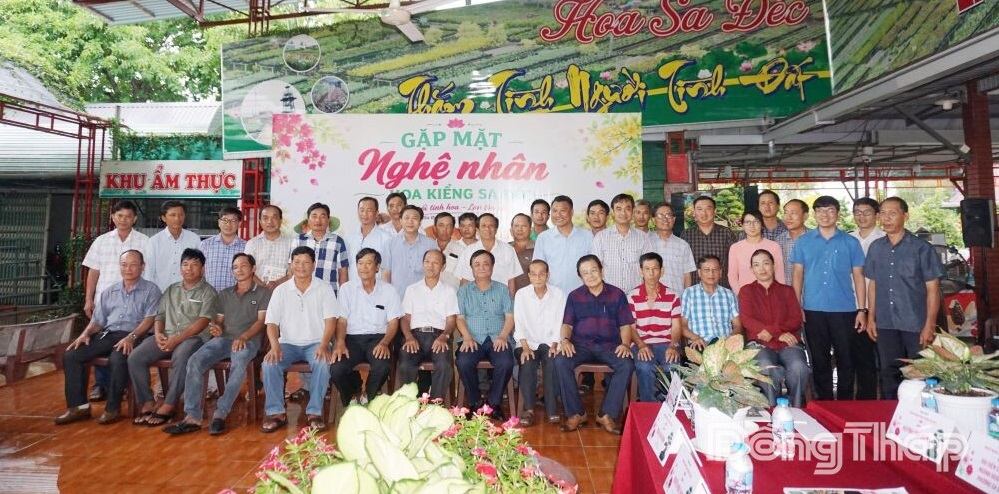
(DTO) – On June 14, the Party Committee and People’s Committee of Sa Dec Ward, Dong Thap Province, hosted a meeting with local artisans, flower growers, Hoi Quan (Farmers' Club), cooperatives, and collaborative groups at the Ngoc Lan Flower Viewing Deck Tourist Area. The event aimed to listen to the aspirations of local practitioners while mapping out development strategies for the floriculture and ornamental plant sector in the new era.
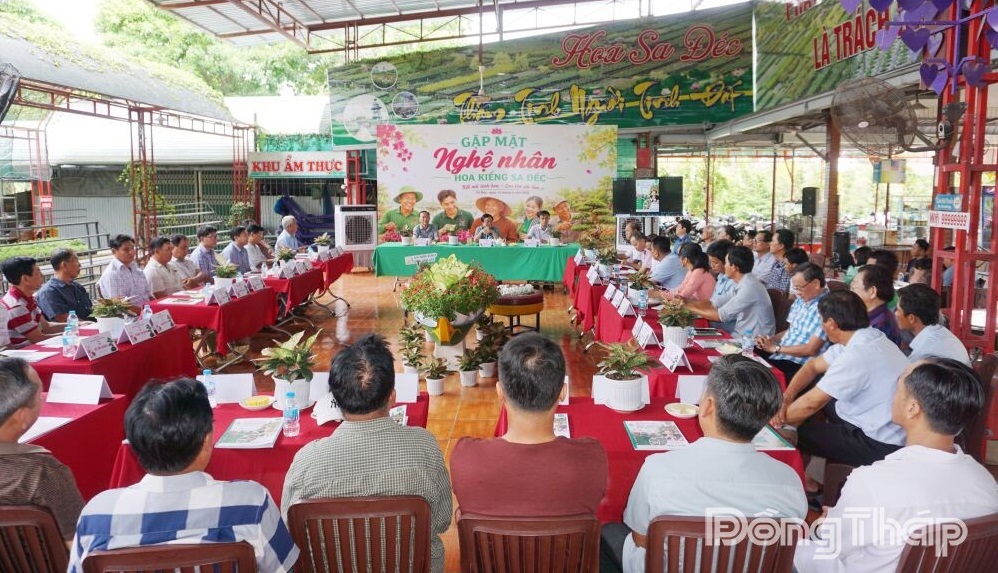
Attending the event were Mr. Le Minh Hoan, former Member of the Party Central Committee and former Vice Chairman of the National Assembly; Mr. Nguyen Van Vu Minh, Member of the Provincial Party Committee and Secretary of the Sa Dec Ward Party Committee; Mr. Nguyen Van Tam, Chairman of the Sa Dec Ward People’s Committee; Mr. Huynh Anh Dien, Vice Chairman of the Sa Dec Ward People’s Committee; along with numerous artisans and prominent growers from Sa Dec Flower Village.
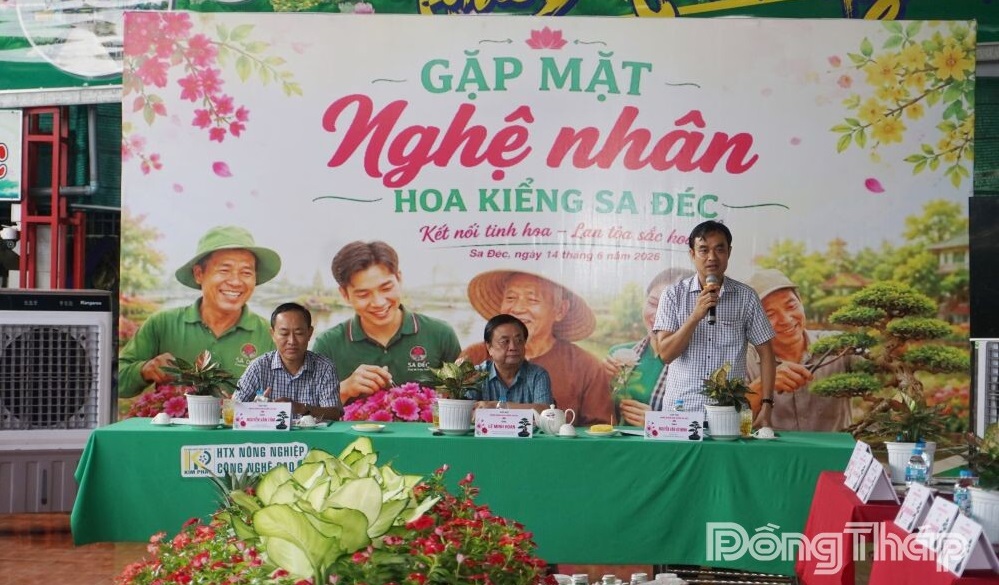
In his welcoming remarks, Mr. Nguyen Van Vu Minh said Sa Dec Flower Village currently covers 948 hectares, with more than 4,000 households engaged in cultivating and preserving nearly 2,000 varieties of flowers and ornamental plants. The sector’s production value in 2025 is projected at approximately VND 3 trillion. Beyond being the largest flower and ornamental plant production region in the Mekong Delta, Sa Dec serves as a convergence of cultural values, community spirit, and the aspiration to achieve prosperity right in the homeland.
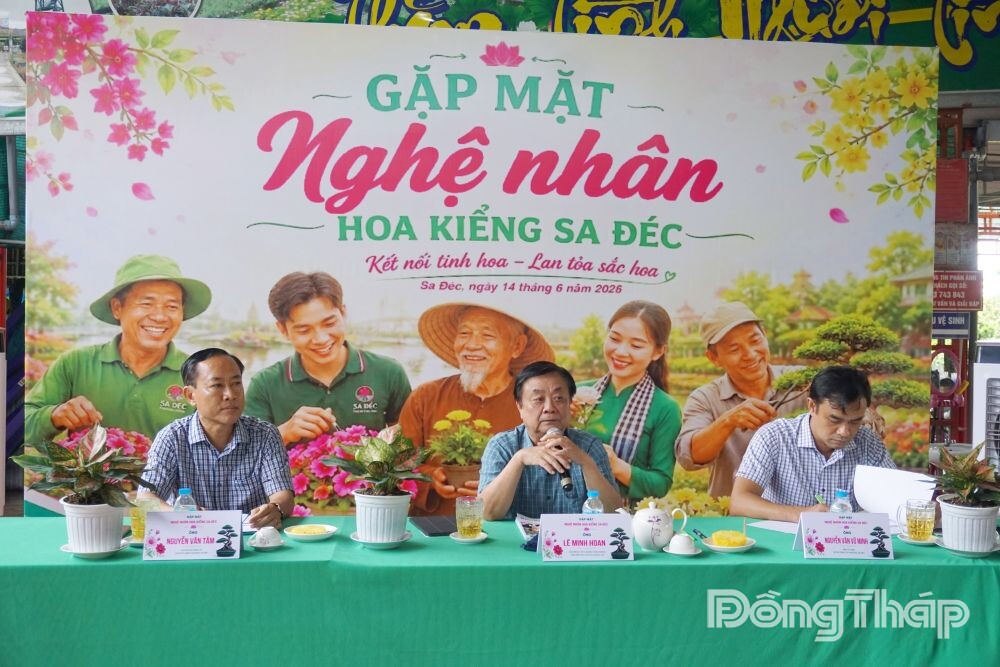
According to Mr. Nguyen Van Vu Minh, Sa Dec’s flowers and ornamental plants have established a strong market footprint nationwide. However, to meet new development requirements, the sector must innovate its mindset, maximize its multi-value attributes, and integrate production with tourism while enhancing residents’ quality of life.
During the meeting, artisans, growers, and representatives of local "Hoi Quan" (Farmer Club) and cooperatives shared practical opinions on opportunities, challenges, and solutions for the sector. Many participants proposed expanding eco-friendly flower production, reducing chemical pesticide usage, and enhancing the role of the Biotechnology Center in researching and producing high-quality flower varieties to meet local demand and reduce dependence on imported seeds.
Participants also recommended researching and testing flower varieties capable of year-round production to support four-season tourism, further developing bonsai and artistic ornamental plants, and helping growers access new varieties to diversify products and boost the charm of the flower village.
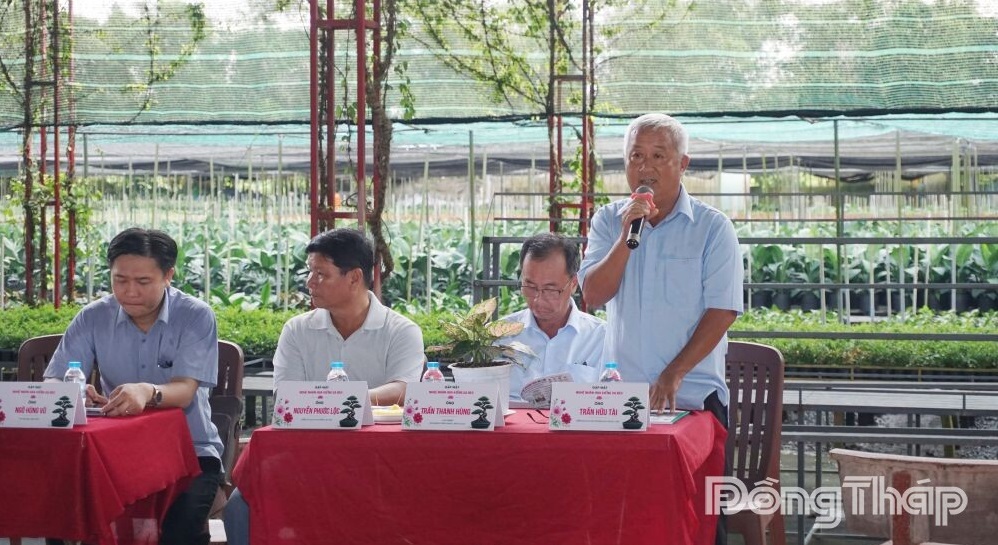
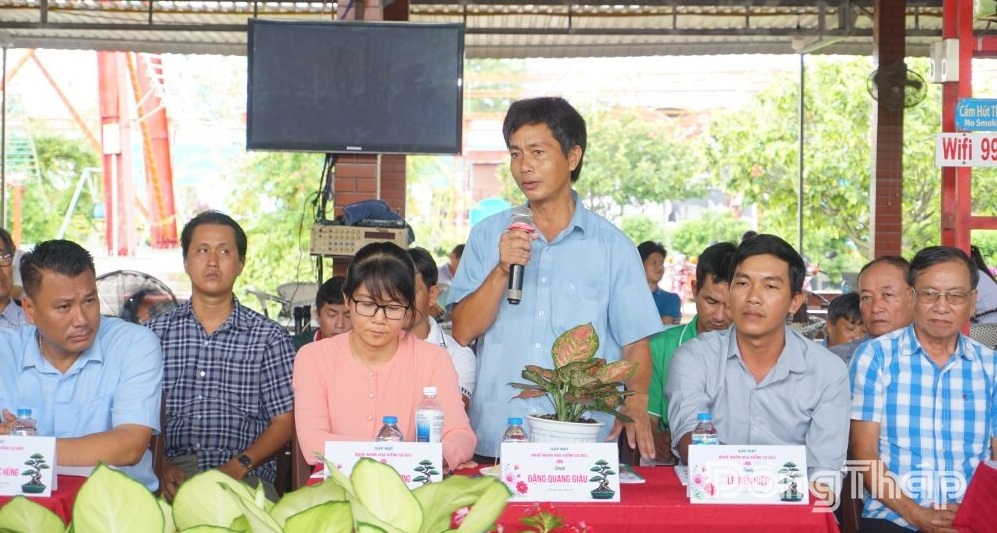
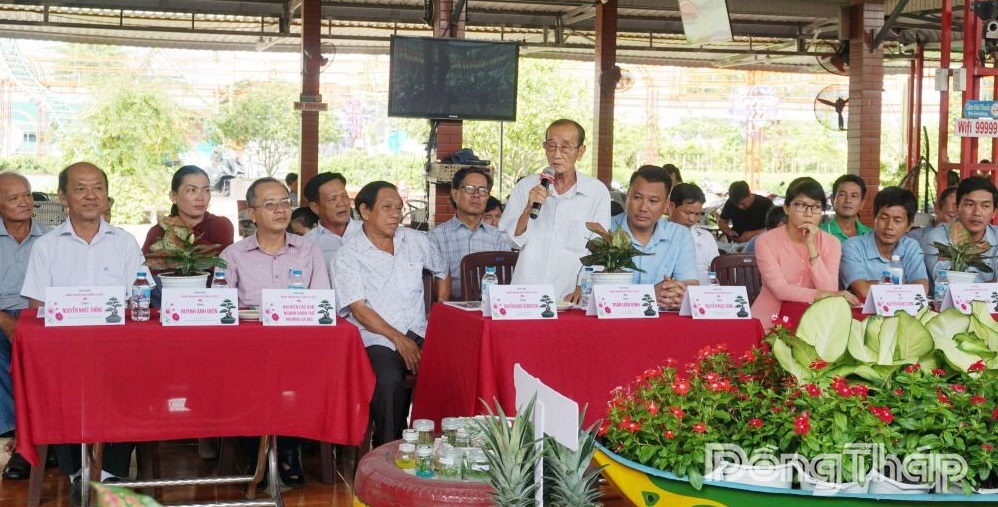
Regarding tourism development, many delegates proposed strengthening environmental awareness campaigns along canals and waterways, encouraging residents not to litter, and regularly clearing water hyacinths to create a greener and cleaner landscape. These efforts aim to establish signature waterway tourism routes and help realize the vision of Sa Dec’s fabled “flower river” in the future.
Concerning market outlets, growers noted that traditional sales methods are gradually shifting, requiring producers to adapt to e-commerce and online sales channels. Several participants suggested establishing support groups to provide digital business skills training, including guidance on packaging, promotion, and online sales.
Speaking at the event, Former Vice Chairman of the National Assembly Le Minh Hoan emphasized that without innovation, the flower and ornamental plant sector could face significant headwinds in the future. He noted that while transportation infrastructure is important, the greatest value lies in human capital and the cultural heritage of the craft village.
He also stressed that Sa Dec Flower Village’s recognition as a National Intangible Cultural Heritage is not only a source of pride but also a responsibility for those involved in the craft to preserve and promote its unique cultural values.
According to Former Vice Chairman of the National Assembly Le Minh Hoan, today’s consumers are interested not only in products but also in the stories, cultural values, and emotions behind them. Therefore, Sa Dec must differentiate itself through compelling narratives about flower cultivation, local people, and the distinctive identity of the craft village.
He further suggested several new development directions, including establishing specialized research groups, forming a sectoral advisory council, diversifying flower-based products, and more effectively leveraging cultural and tourism values associated with the traditional flower village.
The meeting provided an opportunity for local authorities to listen to grassroots opinions while strengthening connections between artisans, growers, and management agencies. It also contributed to shaping a strategy for developing Sa Dec’s flower and ornamental plant sector in a modern, sustainable manner while preserving its rich cultural identity.
By MY NHAN
Translated by X.QUANG