
From Lotus Products to a Lotus Economic Ecosystem
(DTO) As part of the 3rd Dong Thap Lotus Festival, on June 20, the Department of Agriculture and Environment, in coordination with the People’s Committee of Cao Lanh Ward, held a lotus seminar themed “Pink Lotus Land Reaching Far Through Connection.”
The seminar brought together government officials, experts, scientists, businesses, cooperatives, and farmers to exchange ideas and propose solutions to enhance the value of the lotus sector, with the goal of building a sustainable lotus-based economic ecosystem in the new development phase.
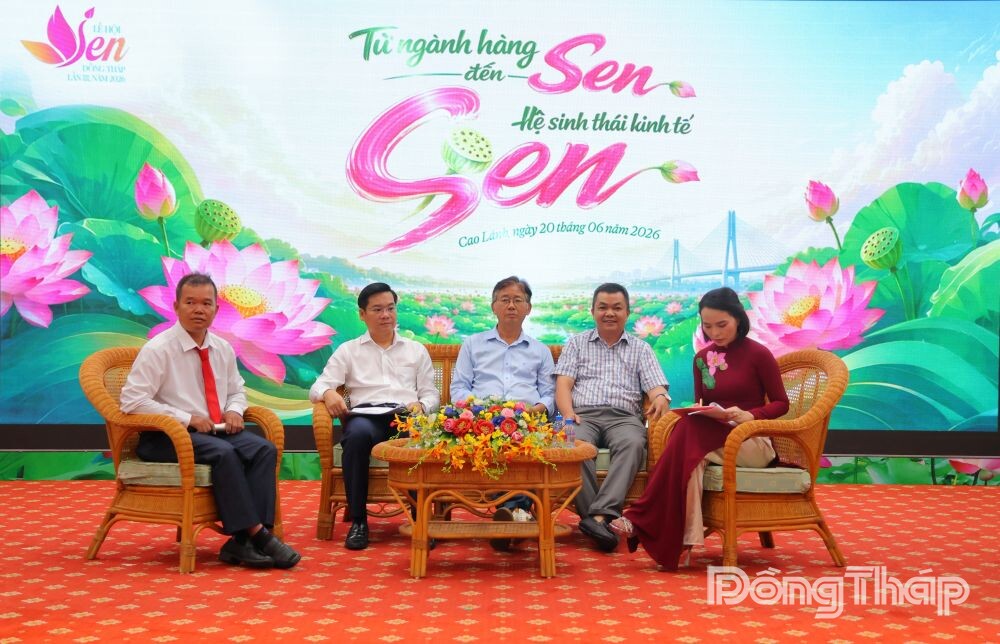
As one of the key thematic events of the 3rd Dong Thap Lotus Festival, the seminar not only helped promote the image of the Pink Lotus Land, but also created a platform connecting government agencies, scientists, businesses, and producers to explore solutions for developing the lotus sector in a modern, green, and globally integrated direction.
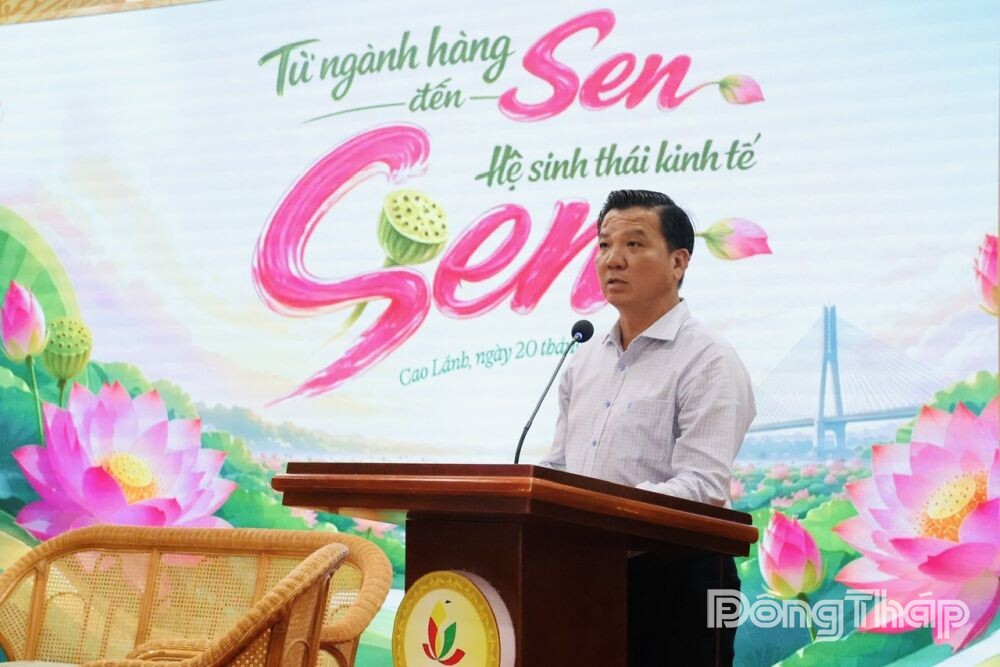
Speaking at the seminar, Mr. Le Chi Thien, Deputy Director of the Department of Agriculture and Environment, said that alongside the lotus sector’s development in recent years, the current priority is to improve production quality, enhance product quality, maximize the effectiveness of the “Dong Thap” geographical indication for lotus-based products, and expand development space from agricultural production to an agricultural economy, and from individual products to a broader lotus-based economic ecosystem.
According to him, the seminar provided an opportunity for stakeholders to assess the potential, strengths, and limitations of the lotus sector, and to propose solutions for linking production, processing, and consumption, while promoting the circular economy, digital transformation, and market expansion both domestically and internationally.
In Session 1, themed “Improving the Quality of Dong Thap’s Lotus Production and Products Following Geographical Indication Recognition,” experts focused on solutions to improve the quality of raw material areas, lotus variety management, cultivation practices, harvesting, and product preservation. Scientists from Can Tho University also shared research findings on techniques to improve the quality of fresh lotus seeds and integrated management processes for major lotus diseases.
Many participants noted that now that Dong Thap’s lotus-based products have been granted geographical indication protection, building standardized raw material zones, ensuring consistent quality management, controlling diseases, and strengthening traceability are key factors in enhancing the value of the Dong Thap’s lotus brand. These are also essential foundations for deeper participation in high-quality agricultural value chains and for meeting increasingly demanding market requirements.
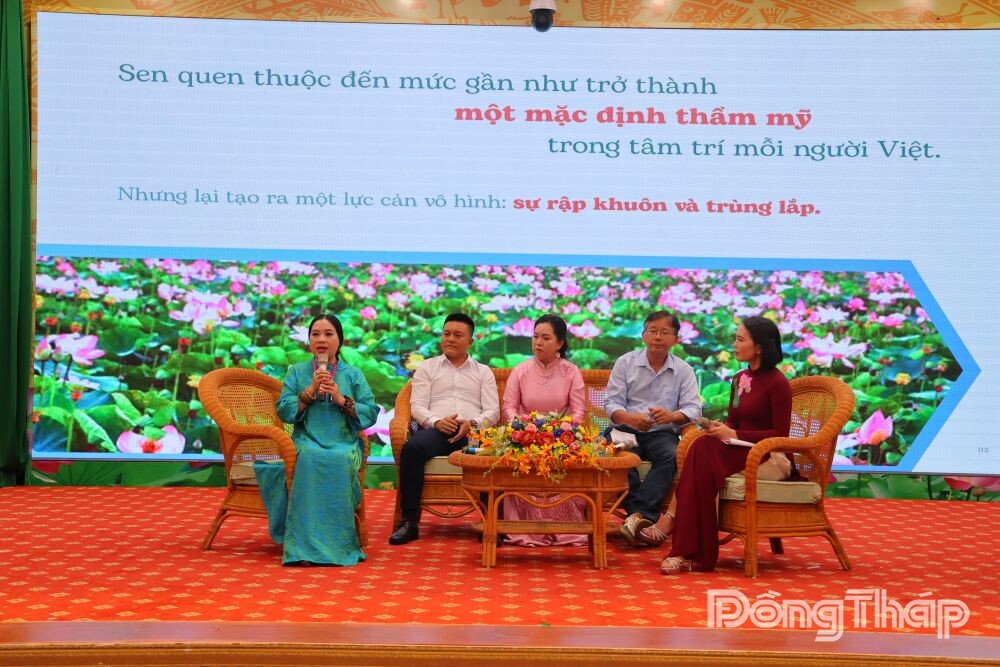
While Session 1 focused on improving production quality, Session 2, themed “From Lotus Products to a Lotus Economic Ecosystem: OCOP, Processing, Tourism, Holistic Wellness, and the Creative Economy,” opened up new perspectives on unlocking the plant’s multiple values.
A representative of Lotus Healthy Food Co., Ltd. said that the lotus sector still has significant room for growth if developed through a circular economy approach. Instead of focusing solely on lotus seeds, other parts of the lotus plant such as leaves, lotus hearts, rootlets, seed pods, and post-harvest by-products can all be used as raw materials for the food, herbal medicine, cosmetics, and wellness product industries.
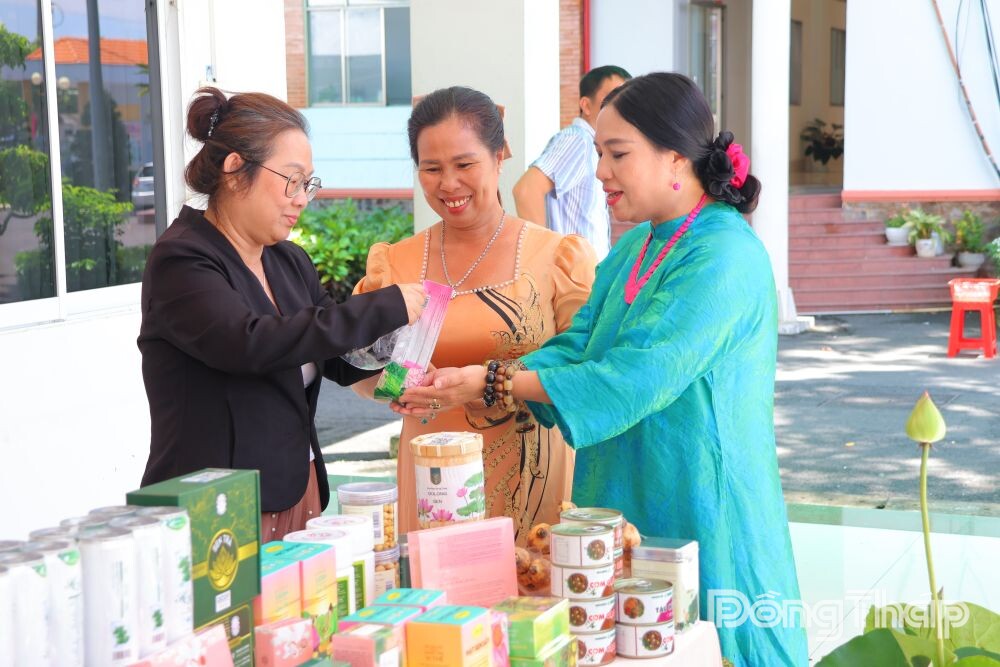
In addition, tourism experts proposed making deeper use of lotus-related cultural values to develop experiential tourism products, community-based tourism, souvenirs, and distinctive OCOP-certified products. When stories about the land, its people, and the culture of the Pink Lotus Land are woven into these products, the value of the lotus will lie not only in tangible goods, but also in the cultural and emotional value it brings to visitors.
One of the new topics that attracted considerable attention was Session 3, themed “Lotus Tells Stories and Reaches Further - Digital Content, Market Linkages, and the 2026-2030 Action Roundtable.”
At this session, experts proposed a range of solutions for applying digital technology to lotus-sector development, including building databases for cultivation areas, using QR codes for traceability, developing digital content, multichannel marketing, e-commerce, and artificial intelligence for product promotion.
Experts noted that amid rapid digital transformation, the lotus sector needs not only high-quality products, but also the ability to tell the story behind them, about lotus growers, processing enterprises, raw material zones, and the distinctive cultural values of Dong Thap. This is how lotus-based products can differentiate themselves and reach domestic and international consumers more effectively.
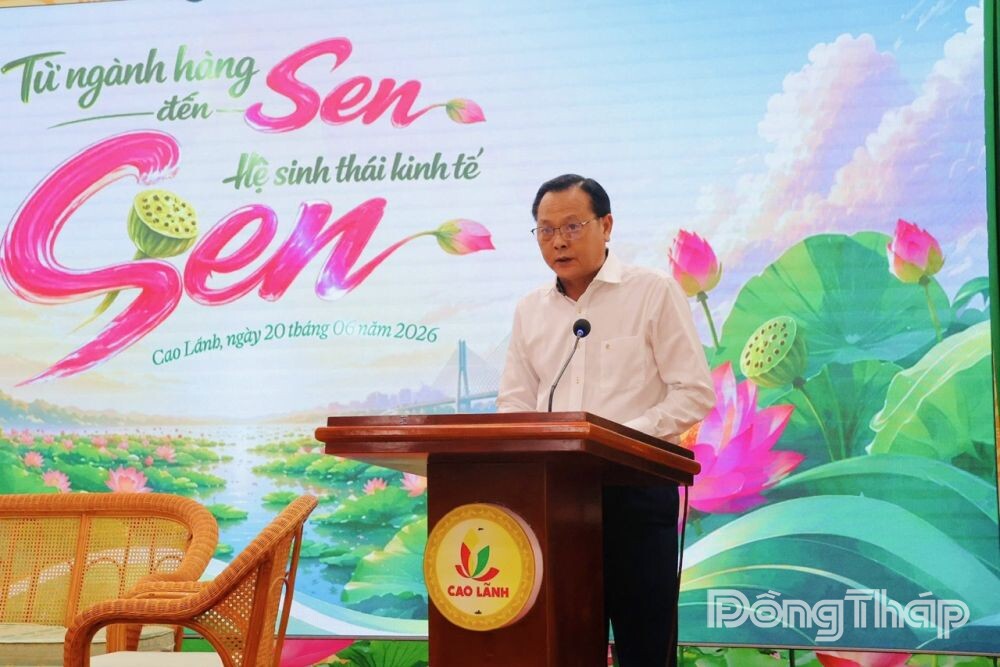
Speaking at the seminar, Mr. Nguyen Hung Trang, Member of the Standing Committee of the Provincial Party Committee and Secretary of the Party Committee of Cao Lanh Ward, said that the seminar was a meaningful event within the series of activities of the 3rd Dong Thap Lotus Festival. The thoughtful contributions of scientists, experts, businesses, and producers would help shape solutions for developing the lotus sector in the coming years, while also creating opportunities to connect resources for building a sustainable lotus-based economic ecosystem.
After discussions, the seminar reached broad agreement on several major directions for the lotus sector in the 2026-2030 period. These include improving the quality of raw material areas; developing deep-processed products under a circular economy model; effectively tapping into the cultural and tourism values of lotus; promoting the application of science, technology, and digital transformation; and expanding markets.
By MY LY
Translated by ANH DUC