
Minister of Science and Technology Vu Hai Quan: Driving Economic Growth in Dong Thap Through Science and Technology
(DTO) On the morning of November 2, Mr. Vu Hai Quan, Member of the Party Central Committee and Minister of Science and Technology (MoST), led a working delegation to Dong Thap Province to discuss plans to leverage science, technology, innovation, and digital transformation to fuel local socio-economic growth for the 2026–2030 period.
Welcoming the delegation were Mr. Ngo Chi Cuong, Member of the Party Central Committee, Provincial Party Secretary, and Chairman of the Provincial People's Council; alongside Mr. Nguyen Thanh Nhan, Deputy Secretary of the Provincial Party Committee and Chairman of the Provincial People's Committee.
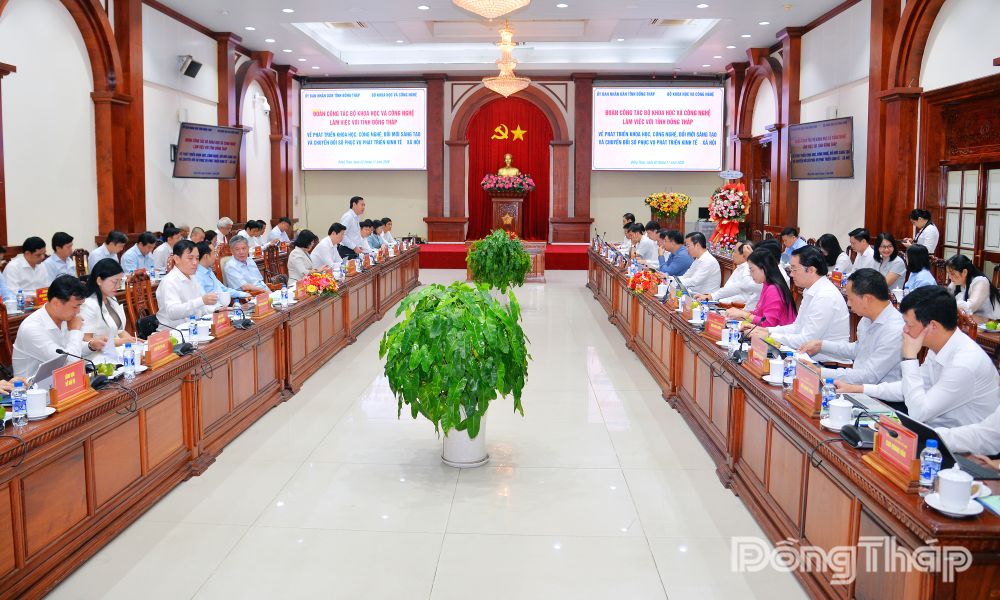
In alignment with the Politburo’s Resolution 57 and related programs, the province has been tasked with 274 tasks. To date, 173 tasks have been completed (a 63.14% completion rate), two are on track within their deadlines, and 99 are ongoing routine operations, leaving zero overdue tasks.
Since the beginning of 2026, Dong Thap has selected 24 provincial-level science and technology projects for execution, inspected and evaluated 18 provincial-level and two grassroots-level tasks, and officially approved eight provincial-level and seven grassroots-level initiatives. Additionally, research findings from 28 approved projects have been commercialized and integrated into practice.
Several outcomes have been adopted by enterprises, streamlining production processes and enhancing product quality.
The province currently boasts 30 science and technology enterprises and 20 innovative startups, having provided technological appraisals for 83 investment projects.
In digital transformation, shared digital infrastructure and platforms remain well-maintained and upgraded. A total of 1,905 administrative procedures have been updated on the National Database, with 1,530 available as full end-to-end online public services, accounting for 80.3%.
The digitization rate for administrative profiles and results reached 99.13%, electronic certificates stood at 99.19%, and data reuse hit 98.16%.
In the science and technology sector alone, from January 1 to October 15, the province processed all 841 submissions online, achieving a 100% issuance rate for electronic certificates.
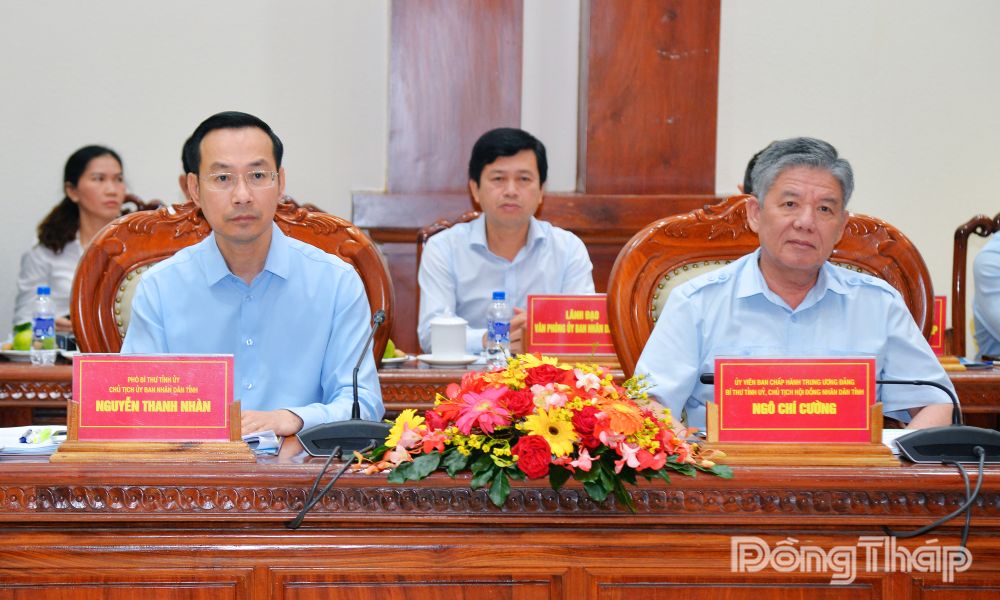
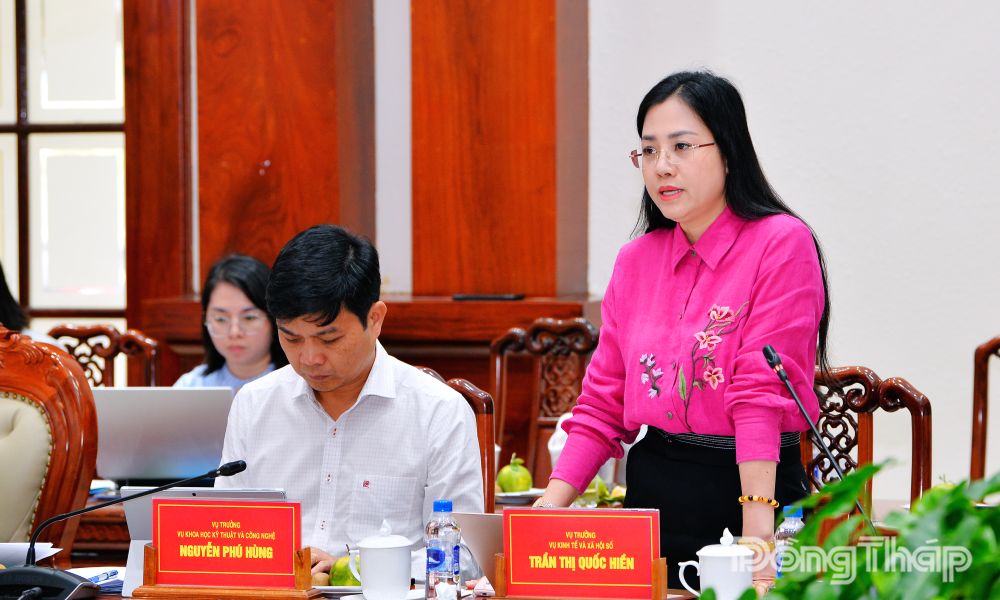
During the session, local businesses petitioned the MoST to adjust the criteria for heads of science and technology organizations under Government Decree 262. They also proposed piloting a Measurement, Reporting, and Verification (MRV) system for greenhouse gas emissions in agriculture to generate carbon credits, and discussed mechanisms to mobilize digital tech firms for local digital transformation, autonomous AI development, and data protection.
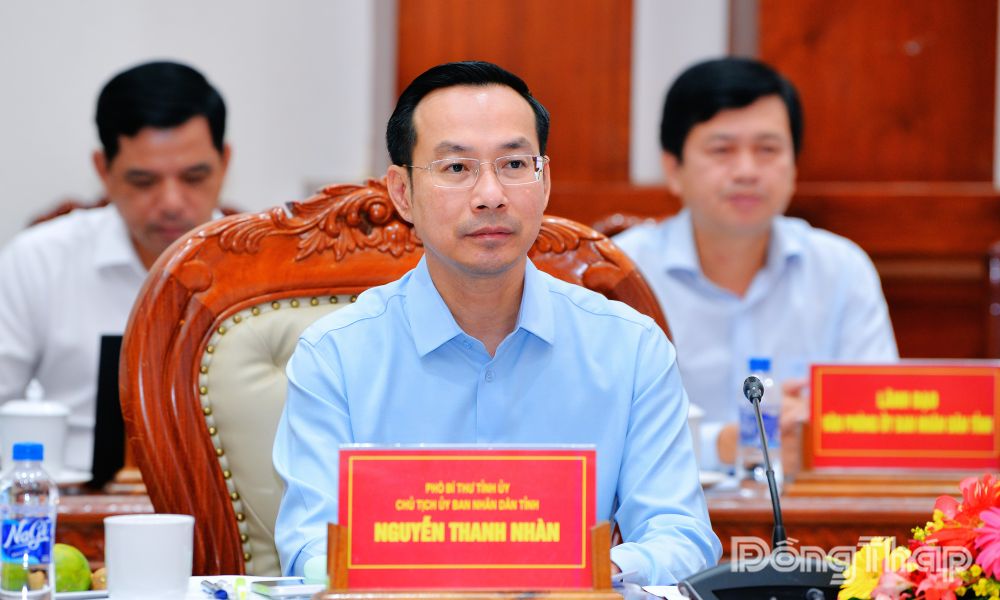
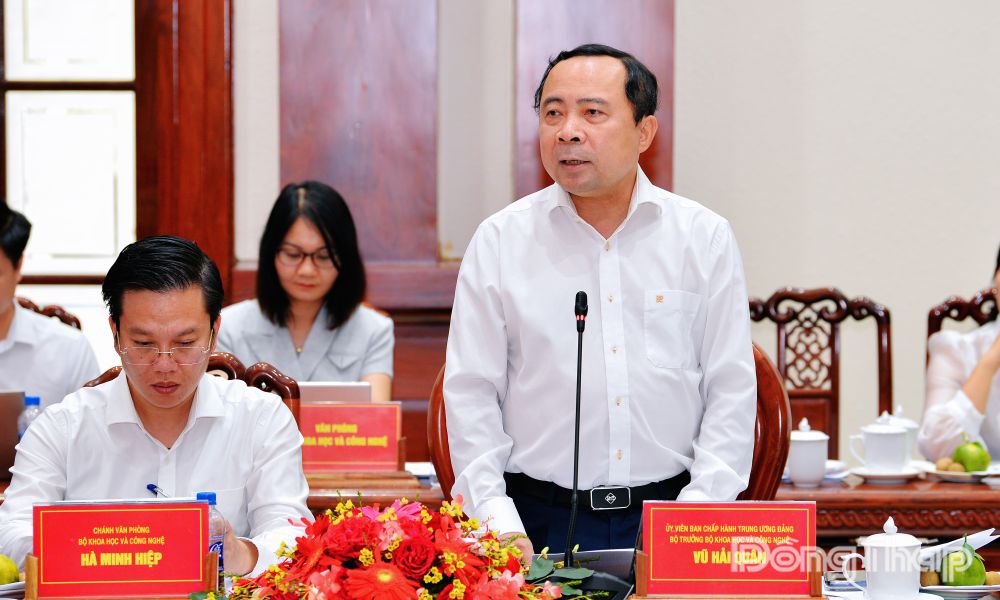
Speaking at the meeting, Minister Vu Hai Quan highly commended Dong Thap's achievements in executing Resolution 57, particularly its efforts to drive science, technology, innovation, and digital transformation in tandem with administrative reforms and data center development. He noted these proactive steps demonstrate the province's strong initiative in fulfilling its assigned mandates.
However, the Minister urged the province to address existing bottlenecks, including sluggish disbursement and lagging project timelines. He affirmed that the MoST stands ready to support Dong Thap, directing specialized units to coordinate and guide the locality through its challenges. Financial disbursement must strictly adhere to schedules and regulations to ensure concrete efficiency, rather than merely chasing targets.
Minister Vu Hai Quan stressed that the memorandum of understanding (MoU) signed between the MoST and Dong Thap Province is merely a baseline. The critical factor is establishing a regular coordination mechanism with clearly defined tasks, deadlines, and deliverables, underpinned by continuous information exchange to resolve bottlenecks in real-time. Cooperation frameworks must be translated into tangible actions that can be audited, evaluated, and measured for impact.
To unlock double-digit growth, Dong Thap must anchor science, technology, innovation, and digital transformation as key drivers to bolster productivity, quality, and economic value-add.
Given its edge as a powerhouse of agricultural production, the province needs to inject technology into the entire agricultural value chain—spanning selective breeding, feed formulation, cultivation techniques, disease prevention, processing, and market development.
The Minister maintained that enterprises must sit at the heart of innovation, meaning R&D mandates must stem directly from practical corporate needs
. Research problems must solve specific pain points to help businesses boost productivity, cut costs, master production processes, and elevate product value. This is the direct pathway for science and technology to fuel local economic growth.
Furthermore, the province must leverage local universities and research institutes as vital reservoirs of high-quality human capital, research, and technology transfer. Dong Thap needs to forge tight-knit linkages between regulators, enterprises, and research facilities, encouraging businesses to commission R&D, co-develop initiatives, and adopt research outcomes.
Academic programs and scientific themes must align with commercial and production demands, avoiding top-down approaches driven solely by scientists without corporate participation.
For strategic regional commodities like pangasius and swiftlet bird's nest products, the Minister urged the province to design interdisciplinary, cross-regional R&D blueprints that foster synergy among localities, enterprises, and specialized agencies. Crucially, the province should build upon existing research data and pool resources to scale up and commercialize technologies, rather than starting from scratch or spreading resources too thin.
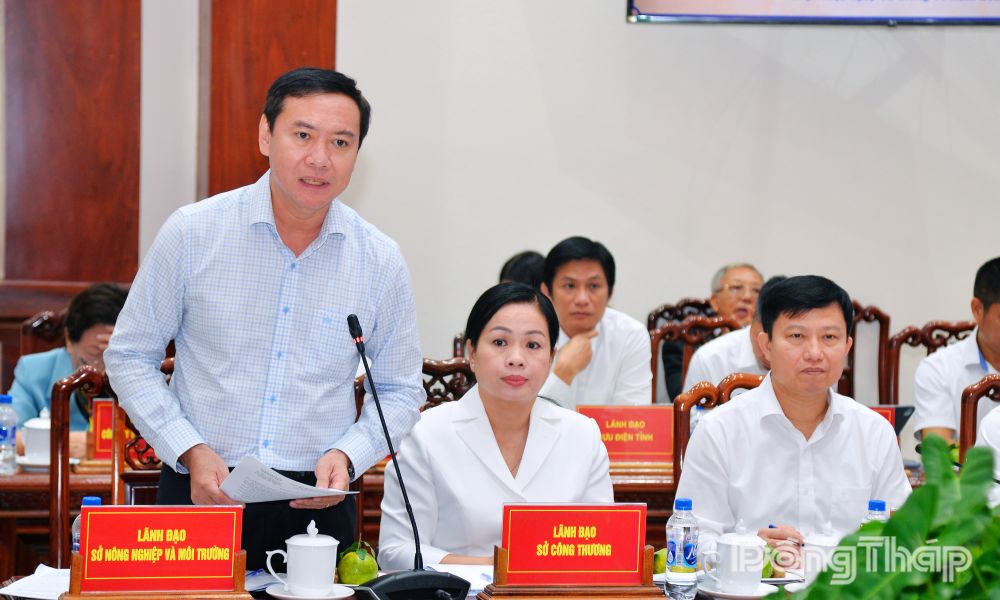
Minister Vu Hai Quan stressed that the Ministry of Science and Technology would continue to study the province’s proposals and focus closely on the Mekong Delta’s regional specificities, while working with local authorities and businesses to engineer tailored solutions.
He called for an immediate shift from exploratory talks to decisive action, urging synchronized efforts among all stakeholders, accurate prioritization, strategic resource allocation, and unwavering commitment until tangible results are realized.
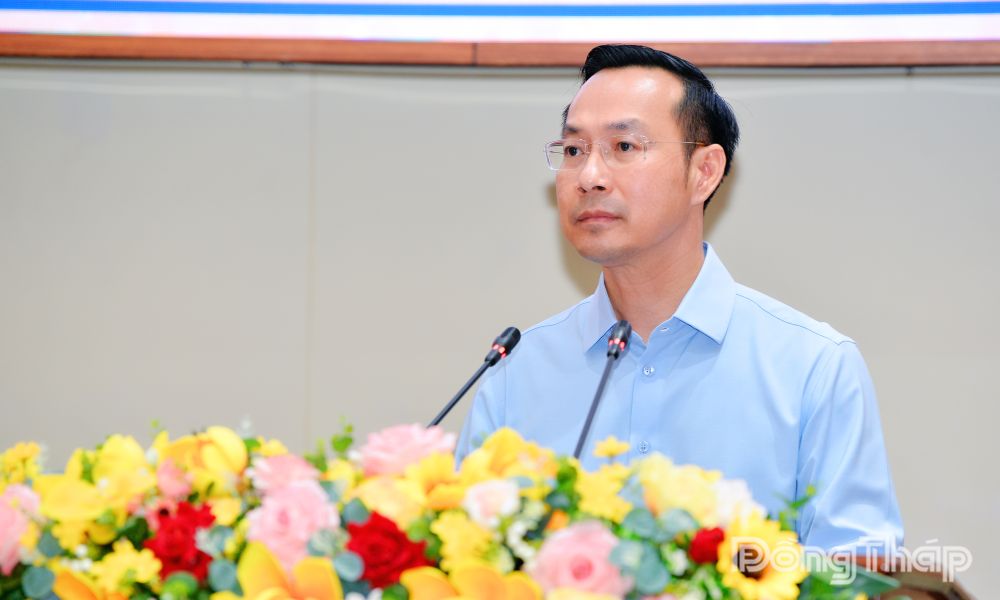
Speaking at the meeting, Chairman Nguyen Thanh Nhan, on behalf of the provincial leadership, pledged to absorb the Minister’s directives and the opinions raised during the session. He noted these insights serve as a vital framework for the province to further refine its strategies, dismantle bottlenecks, and improve the implementation efficiency of both Politburo Resolution 57 and the 2026–2030 cooperation programme between the Ministry of Science and Technology and the Dong Thap Provincial People’s Committee. However, he stressed that the programme’s success must ultimately be benchmarked against concrete real-world outcomes.
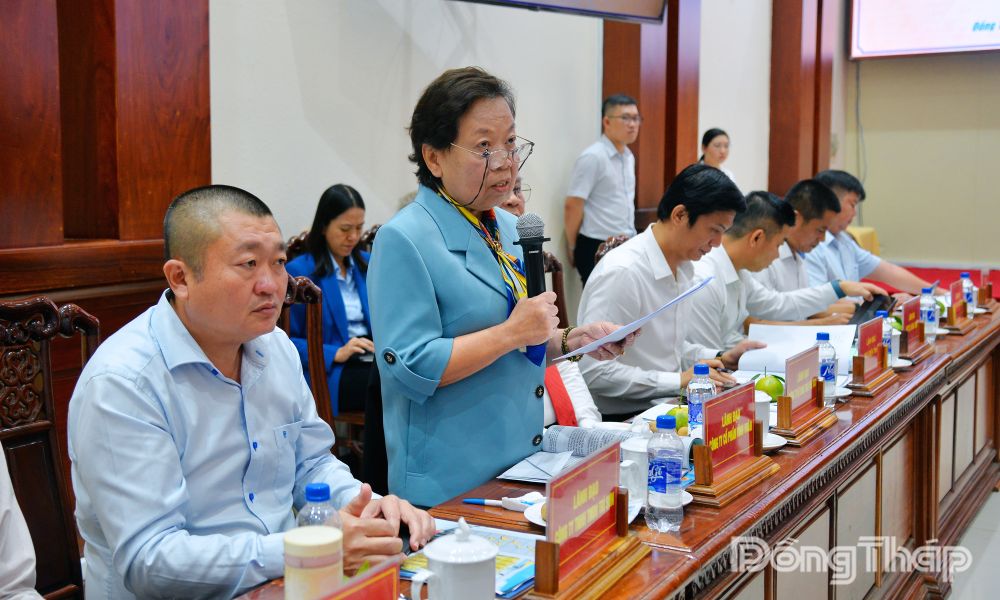
Immediately after the meeting, the Provincial People’s Committee will direct the Department of Science and Technology to take the lead, in coordination with relevant agencies, in translating the cooperation programme into an actionable roadmap. The plan will clearly define specific tasks, responsible entities, deliverables, timelines, and resources. The province will proactively resolve issues within its jurisdiction. For matters requiring support from the Ministry of Science and Technology, the province will clearly identify the hurdles, compile comprehensive dossiers, and propose specific remedies.
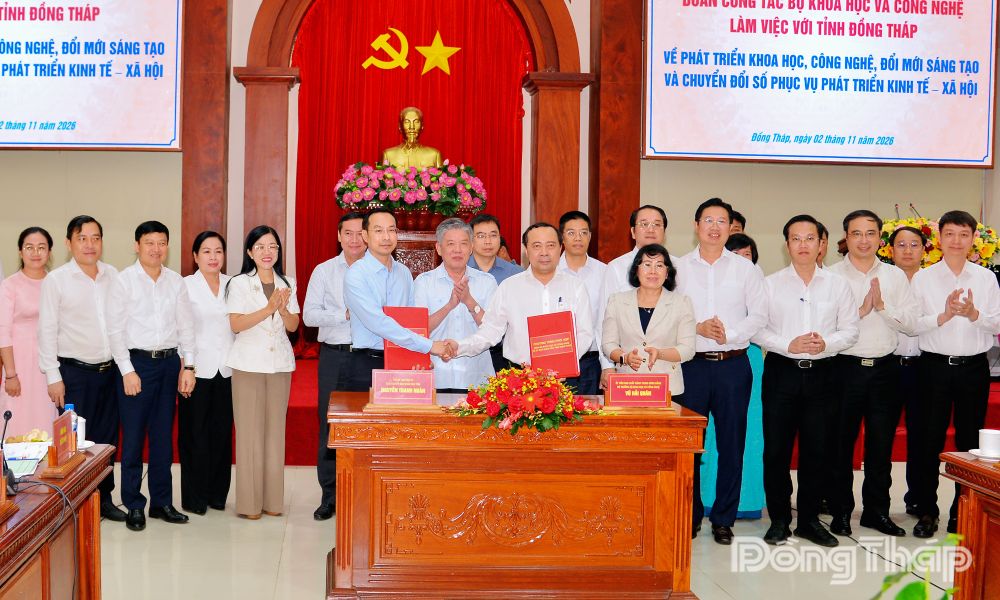
Chairman Nguyen Thanh Nhan emphasized that the province would prioritize channelling its resources into early-result initiatives capable of delivering immediate economic impacts. Key priorities include deploying data analytics and artificial intelligence in governance and administration; driving technology transfer to scale up the value of mainstay agricultural products; fostering innovation and digital adoption within businesses; and developing digital products and services. Within this framework, priority will be given to tasks involving businesses, with high commercial viability, and the capacity to yield initial breakthroughs by early 2027.
Chairman Nguyen Thanh Nhan said that local implementation insights had shown that some science and technology and digital transformation projects regularly run into bureaucratic red tape regarding investment procedures, slowing down overall execution. The province therefore asked the Ministry of Science and Technology to study and advise the Government on introducing streamlined mechanisms to compress preparation and deployment timelines for urgent, highly viable projects that demonstrate clear efficiency.
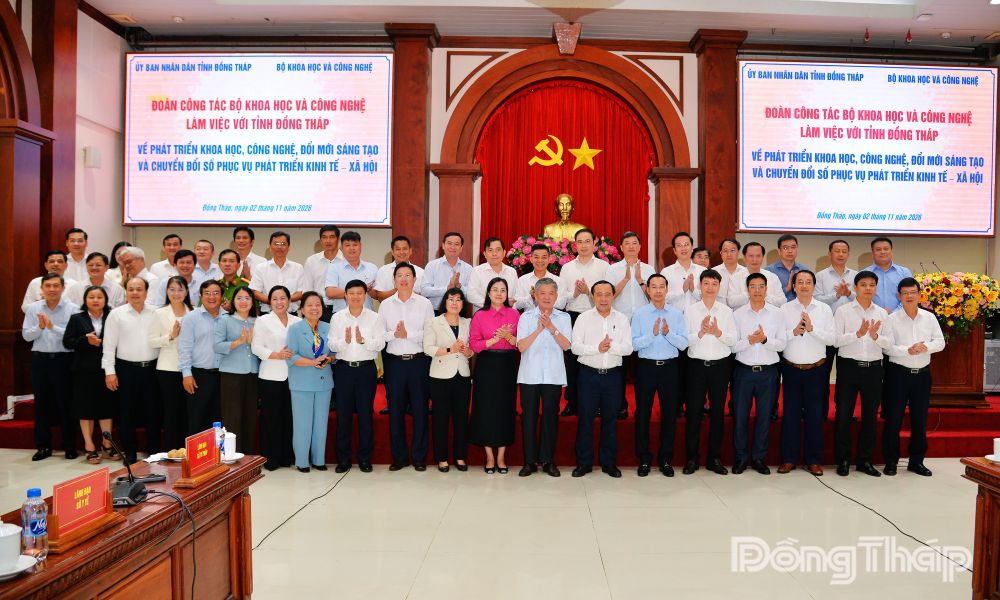
Dong Thap hopes the Ministry of Science and Technology will study and propose mechanisms to specifically identify works, projects, and tasks eligible for fast-track administrative procedures in accordance with regulations. This would help accelerate deployment timelines and fast-track science and technology and digital transformation products into practical use sooner during 2027–2028.
In fast-developing fields such as digital technology and artificial intelligence, shortening time-to-market is critical to ensure that products meet real-time demands and avoid obsolescence upon deployment.
On this occasion, the Ministry of Science and Technology and the Dong Thap Provincial People’s Committee officially signed the Cooperation Program for the 2026–2030 period.
By HA NAM
Translated by.X.QUANG