
Pilot Program Launched for Traceability of Durian
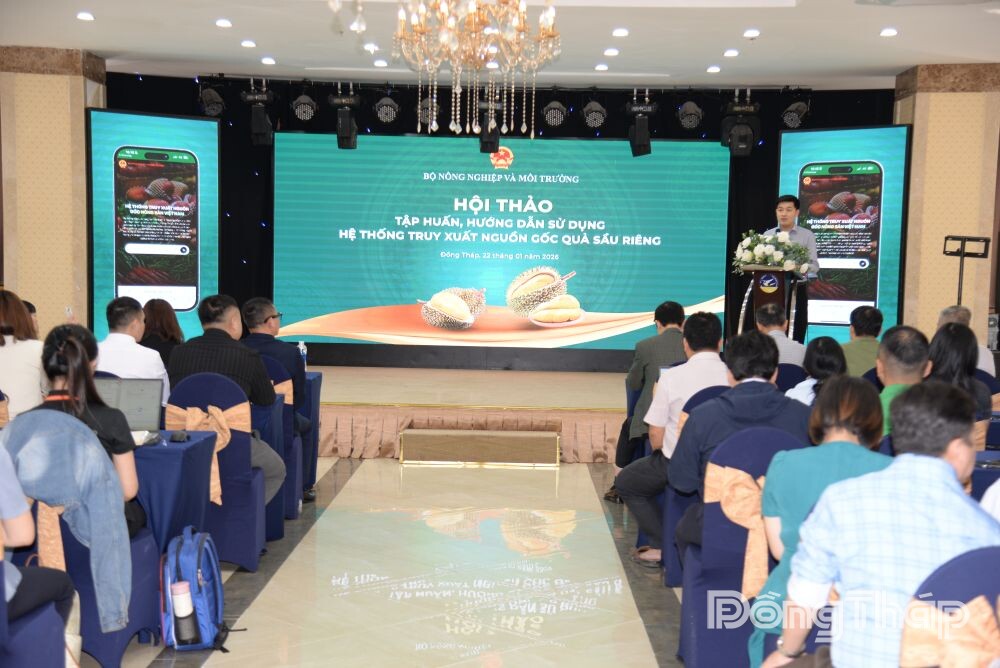
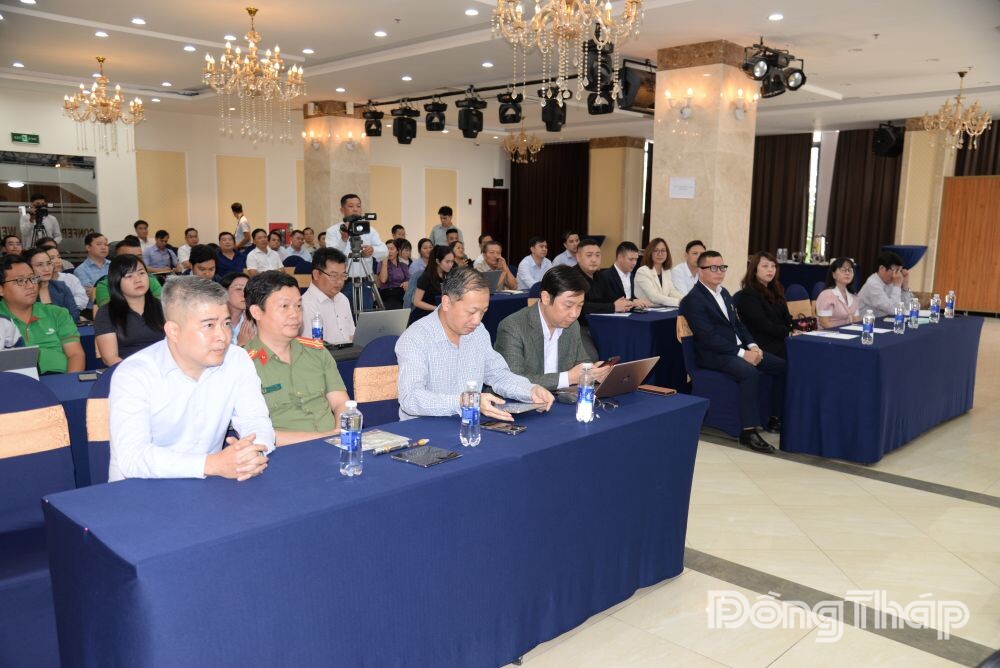
(DTO) On the afternoon of January 22, in Dong Thap Province, the Ministry of Agriculture and Environment (MAE) organized a workshop and training session to guide participants in using the durian traceability system.
In recent years, durian has solidified its position as one of Vietnam's key agricultural exports, particularly in the Chinese market.
According to the Department of Crop Production and Plant Protection (MAE), from 2015 to 2023, the national durian cultivation area increased by an average of 19.5% per year, while output grew by an average of 14.7% annually. Fresh Vietnamese durian has been exported to 28 countries and territories, while frozen durian has reached 20 markets worldwide.
In 2025, Viet Nam’s durian export turnover to China reached approximately USD 4 billion. However, alongside rapid growth come increasingly stringent requirements regarding quality, food safety standards, traceability, and transparency across the production–processing–export chain.
Pursuant to Decision No. 5272 dated December 13, 2025 of the Minister of Agriculture and Environment approving the pilot plan for durian traceability, on December 26, 2025, the MAE officially launched the Vietnam Agricultural Product Traceability System. This tool enables consumers to verify product information while assisting management agencies in monitoring and tracing goods.
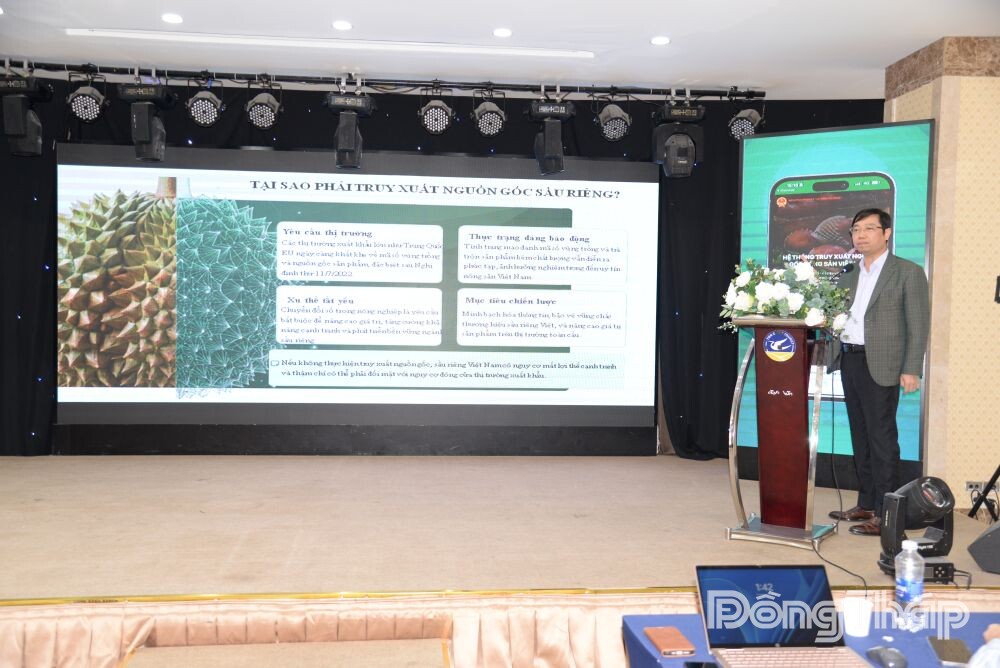
At the workshop, Mr. Nguyen Quang Tin, Deputy Director of the Department of Science and Technology (MAE), noted that major export markets such as China and the EU are imposing increasingly strict requirements on planting area codes and product origins, especially following the Protocol dated July 11, 2022.
Meanwhile, the impersonation of planting area codes and the mixing of substandard products remain complex issues, seriously affecting the reputation of Vietnamese agricultural products.
Without implementing traceability, Vietnamese durian risks losing its competitive advantage and may even face the possibility of export market closures.
According to Mr. Nguyen Quang Tin, the pilot durian traceability program aims to enhance product quality, credibility, and competitiveness in international markets.
The program will develop a durian supply chain model that meets traceability, quality, and food safety requirements; establish and test a real-time online durian traceability system; record and manage data from cultivation to distribution; enable information retrieval via QR codes on product labels; and connect with the National Traceability Portal.
The program will mobilize at least five enterprises (in production, procurement, packing, transportation, and distribution) to participate in the pilot; and issue and attach electronic authentication labels (QR/NFC/RFID) to qualified durian consignments.
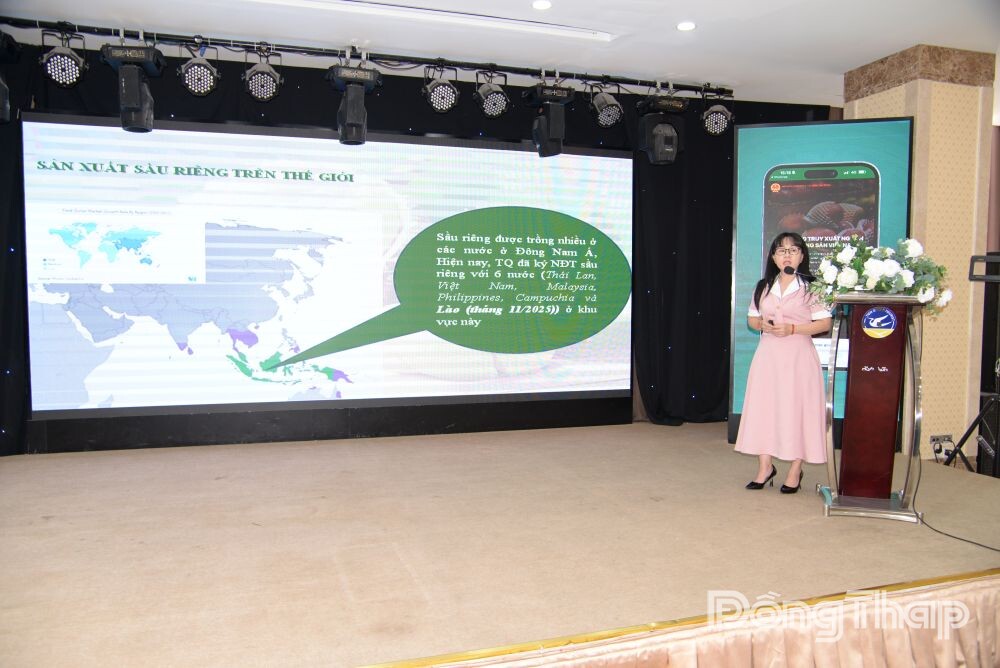
The roadmap for implementation will consist of three phases. In the initial phase, the MAE will pilot traceability for durian over the next six months, before expanding to other essential agricultural product groups.
At the workshop, the Organizing Committee also introduced an overview of the traceability system for enterprises and farming households, and provided hands-on guidance on system operation and the use of traceability labels.
By ANH THU
Translated by X.QUANG