
Revitalizing the Lifeblood of Wetlands
(DTO) – At the "Sustainable Wetland Ecosystem Restoration" workshop held in late March at Tram Chim National Park, experts shared a game-changing perspective: If conservation remains confined to the 2% of protected areas, we will fail to save the entire system from collapse.
The true equation for survival lies in the remaining 98%-the vast landscape where humans cultivate, reside, and interact directly with nature every day.
BREAKING THE "2% ISLAND" BOUNDARY
In the memories of conservationists, the Mekong Delta's wetland ecosystem was once a diverse ecological belt, stretching from coastal mangroves to the vast seasonal grasslands of the Dong Thap Muoi (Plain of Reeds) region.
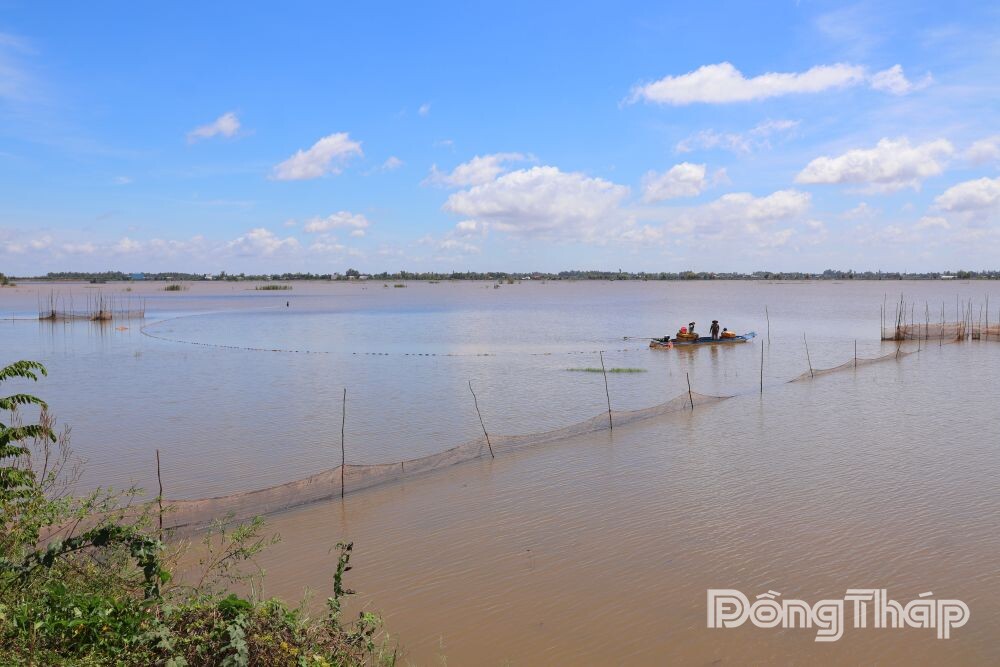
However, according to Dr. Tran Triet (University of Science, Vietnam National University - Ho Chi Minh City), a sobering reality is that protected areas currently cover only about 2% of the entire Mekong Delta.
The remaining 98%—comprising rice fields, specialized aquaculture zones, and a dense network of rivers and canals—represents a massive ecological space that remains largely overlooked.
Many vital habitats, such as estuaries, shallow sea areas, and coastal mudflats, have yet to be included in official protection registries. This "gap" causes conservation efforts to remain fragmented.
Under the pressure of intensive farming, the overreliance on agrochemicals, and organic pollution, the ecosystem quality in this "98% zone" is declining at an alarming rate.
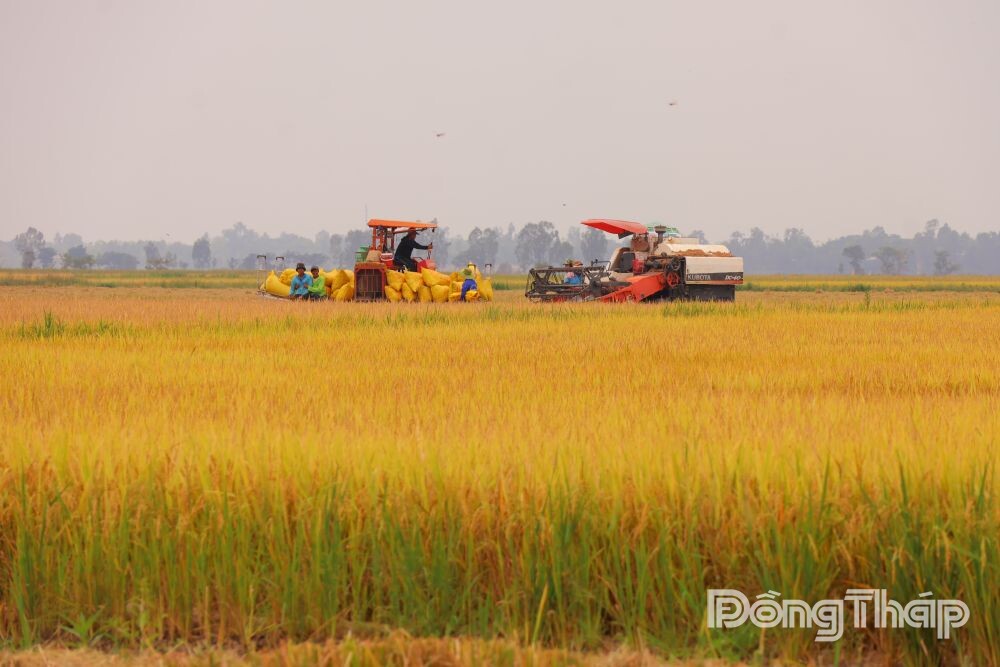
Ecosystem restoration does not mean "sacrificing production" for the environment, but rather "producing in a different way." Flood-based livelihood models do more than just store fish or grow lotus; they help accumulate silt, improve soil fertility, and enhance biodiversity right on the farmers' own fields. When the environment is healthy, the community's resilience to climate change naturally increases. |
Dr. Tran Triet emphasized: "We cannot continue 'subsidized' conservation within narrow administrative boundaries. Instead, we must perceive the entire ecological space as a unified entity, where humans are an inseparable link."
It is time to shift the terminology from "conservation"—preserving what remains—to "restoration," which involves proactive reconstruction. International conservation organizations such as WWF and IUCN at the workshop agreed that the future of wetlands depends on nature-based solutions.
Accordingly, conservation experts argue that instead of erecting fences between preservation and development, several new agricultural models in various provinces have shown that "nature-based" farming is emerging as an effective solution for both economic gain and environmental protection.
This is evidenced by the return of floating rice fields, shrimp-rice rotation models, and flood-based livelihoods. In these models, farmers no longer "confront" the laws of water but have learned to "rely" on them.
NEW VITALITY BEYOND THE CORE ZONE
One of the most encouraging signs from the late March workshop was the shift from state-led responsibility to proactive engagement by the private sector and local communities.
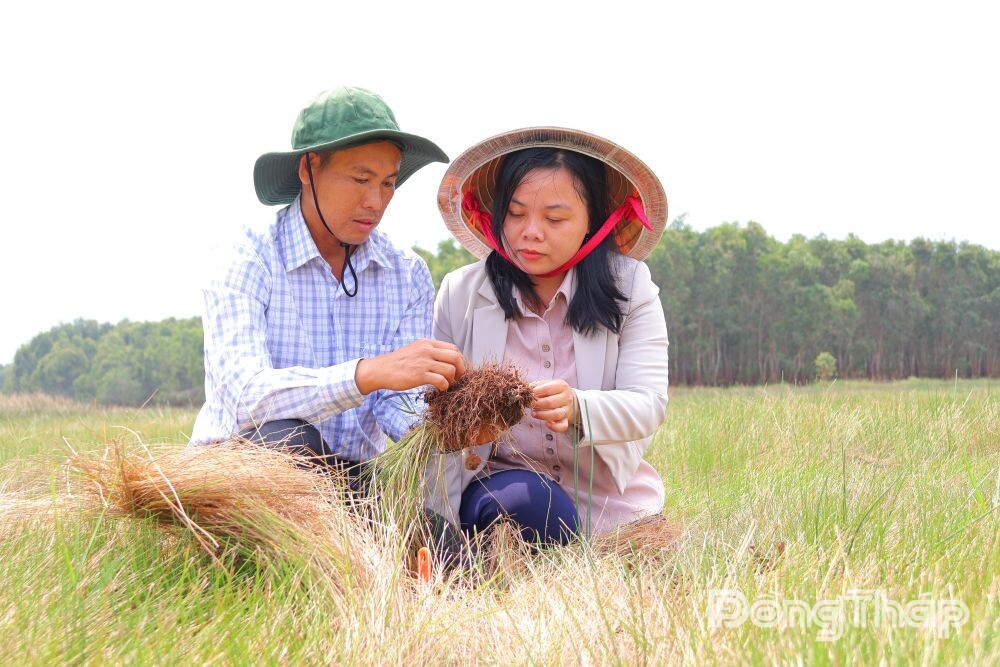
At the Lang Sen Wetland Reserve in Tay Ninh Province, numerous projects have proven that when businesses get involved, the value chain derived from wetlands becomes truly sustainable.
Regarding Dong Thap, one cannot overlook Tram Chim National Park, the heart of the Dong Thap Muoi (Plain of Reeds) region.
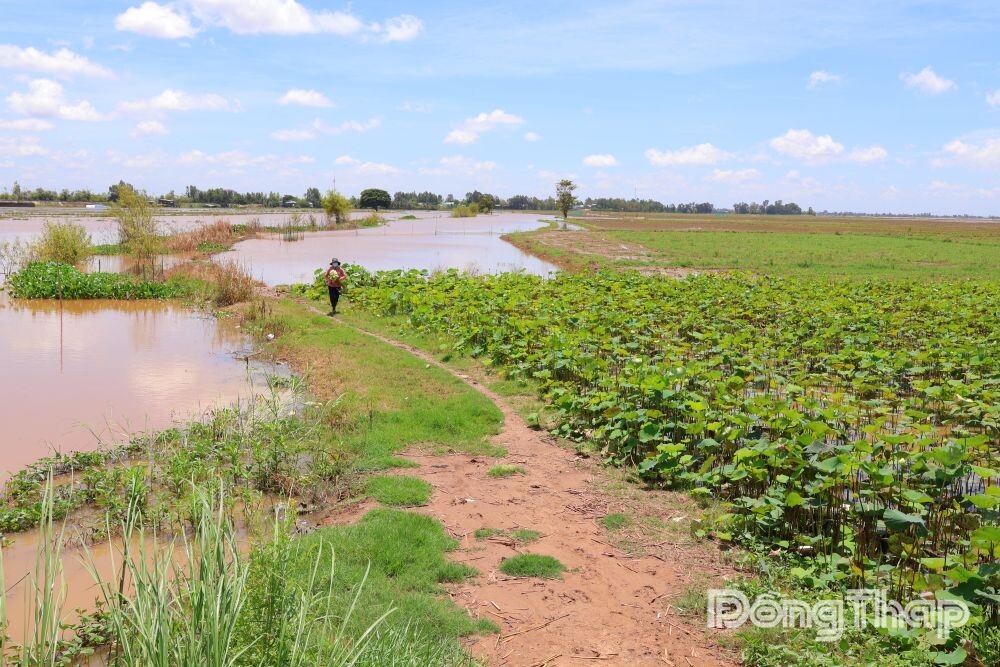
The story of Tram Chim in recent years serves as the most vivid evidence for this new conservation mindset. There was a period when inappropriate hydrological management turned this area into a "stagnant lake," severely degrading the characteristic grassland ecosystem and driving the Sarus Crane away.
Products derived from lotus, floating rice, or handicraft items made from indigenous resources not only provide stable incomes (ranging from 24 to 53 million VND per hectare per crop) but also foster a sense of pride among the local people. The participation of businesses plays a crucial role as the "output" for ecological agricultural products, creating a "win-win" mechanism. Farmers preserve the land and water for sustainable production, while businesses secure clean raw materials, and nature is given a chance to revitalize. |
However, in recent years, Dong Thap Province has implemented decisive solutions to conserve and restore the ecosystem at Tram Chim National Park. As a result, the endemic wetland ecosystem in this area is witnessing a robust recovery.
The regulation of seasonal flood-dry cycles and the implementation of controlled grass burning to regenerate habitats for wild rice (lúa ma) and Eleocharis (năng kim) have encouraged waterbirds to return and vegetation to recover significantly.
More importantly, the spirit of conservation has expanded beyond the core boundaries of Tram Chim National Park. The "Rice - Crane" models in the buffer zones—where farmers practice ecological rice cultivation and reduce chemical use to create foraging grounds for cranes and waterbirds—are the ultimate key.
Mr. Ly Van Loi (Can Tho University) shared that the model of storing natural fish during the flood season in the Tram Chim buffer zone not only yields over 100 million VND per crop but also transforms each rice field into a "green buffer" protecting the National Park.
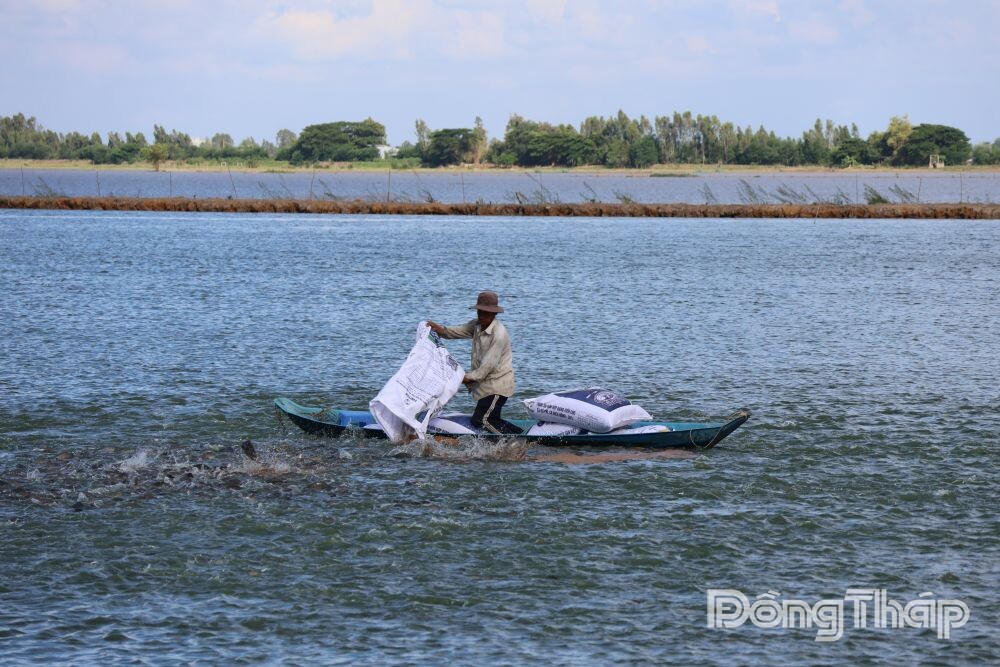
Closing the workshop, a consistent message was delivered by experts: restoring wetland ecosystems is not the sole responsibility of forest rangers or scientists; it is a story of community synergy where every stakeholder plays a crucial role.
In this effort, the State needs more flexible policies to encourage regenerative agriculture. Businesses must invest in sustainable green values rather than short-term profits. Residents need to transform their farming habits, viewing wetlands as a "treasured asset" rather than an "object" for exhaustive exploitation.
Conserving the 2% of core areas is necessary, but saving the 98% beyond those boundaries is the only way to ensure a sustainable future for the entire Mekong Delta.
From the story of "2%" to "98%," it is clear that sustainable conservation of the Mekong Delta's wetlands is not merely about preserving isolated "ecological islands." It is about fostering a harmonious living space where every canal, every lotus field, and every floating rice paddy is an essential piece of the wetland ecosystem.
By MY LY
Translated by X.QUANG