
Sa Dec Flower Village: From Ancient Farming Roots to the "Flower Capital" of the Mekong Delta
(DTO) Originating from small plots along the Thong Luu Canal (formerly Tan Quy Dong Village, now part of Sa Dec Ward, Dong Thap Province), Sa Dec Flower Village has weathered over a century of ups and downs to become the "flower capital" of the Mekong Delta. In this journey, the legacy of artisan Tu Ton and the unique method of "elevated farming" have created an unparalleled identity for this land.
FROM GROWING FLOWERS FOR PLEASURE
Tracing back to the late 19th century, Sa Dec Flower Village began as small, scattered gardens in Tan Quy Dong Village.
According to local elders, the profession did not start with vast fields but grew from the leisurely gardening pursuits of households living along Thong Luu Canal and Rach Dau.
At that time, Mr. Tu Ton (real name Duong Huu Tai) was a farmer. Driven by a deep love for nature, he farmed rice and crops while learning from his predecessors how to grow rustic flowers like Marigolds and Chrysanthemums for his own enjoyment.
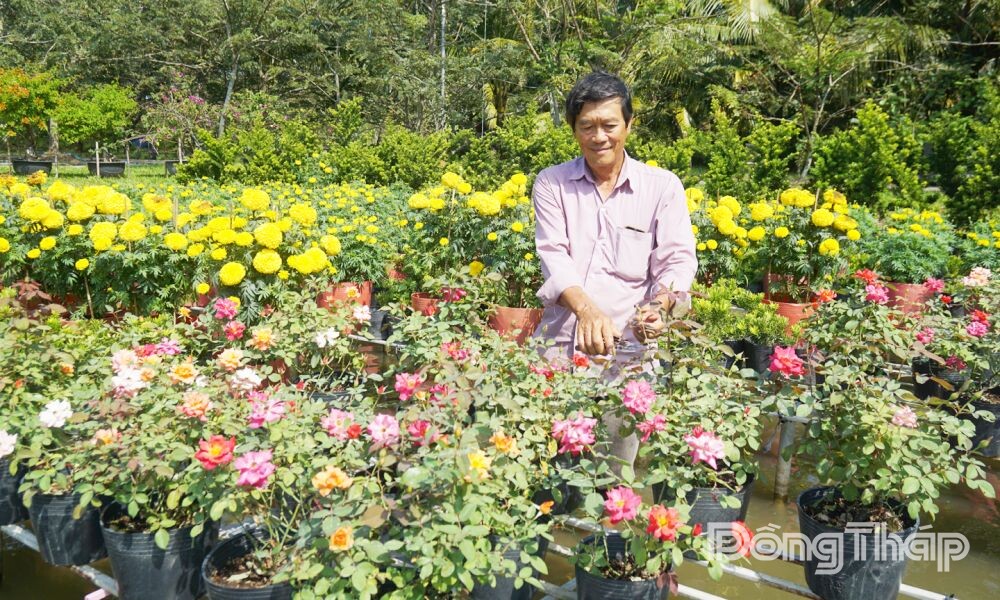
Mr. Tu Ton was once a tenant farmer for a family with relatives living in France. Thanks to this connection, precious rose varieties from the West were brought here to be cultivated.
In the 1950s and 60s, the demand for flowers among the middle class and merchants in major cities surged.
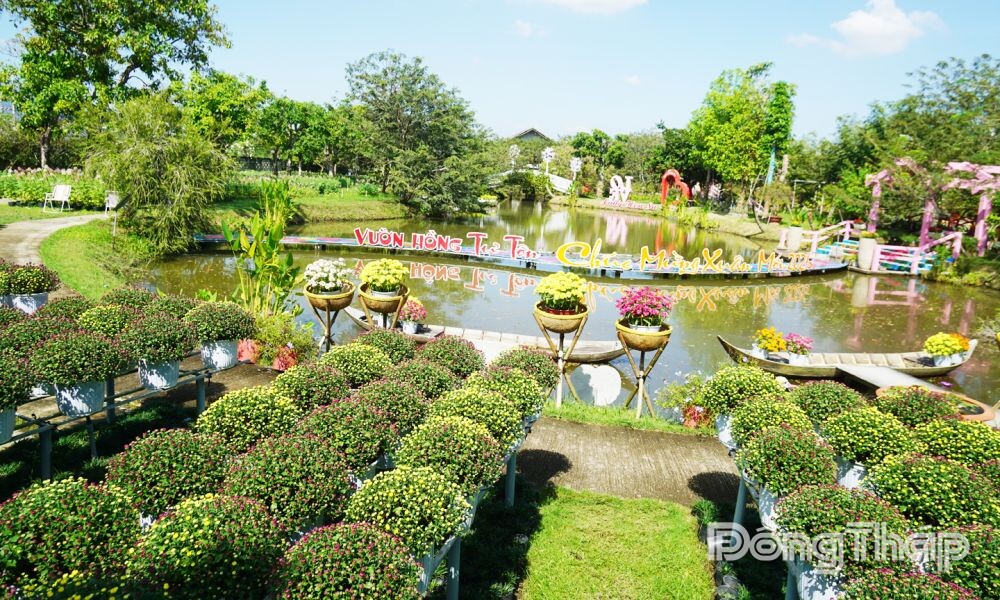
With his keen intuition, Mr. Tu Ton transformed his farm plots into floral gardens with hundreds of imported rose varieties. At times, he imported hundreds of precious rose bushes from France to domesticate them in the fertile alluvial soil.
As word spread, luxury cars from wealthy families regularly arrived in Sa Dec on weekends in search of rare flowers. Tu Ton’s rose garden was not only a production site but also a gathering place for those who cherished beauty. From this very nucleus, flower cultivation gradually expanded from dozens of households to hundreds, then thousands.
FROM GARDENING TO ELEVATED BEDS
One of the defining features of Sa Dec flowers is the practice of growing plants on elevated platforms.
This is not just an aesthetic choice; it is a unique innovation by farmers to adapt to the low-lying terrain, which is frequently affected by tides and floods from the Tien River.
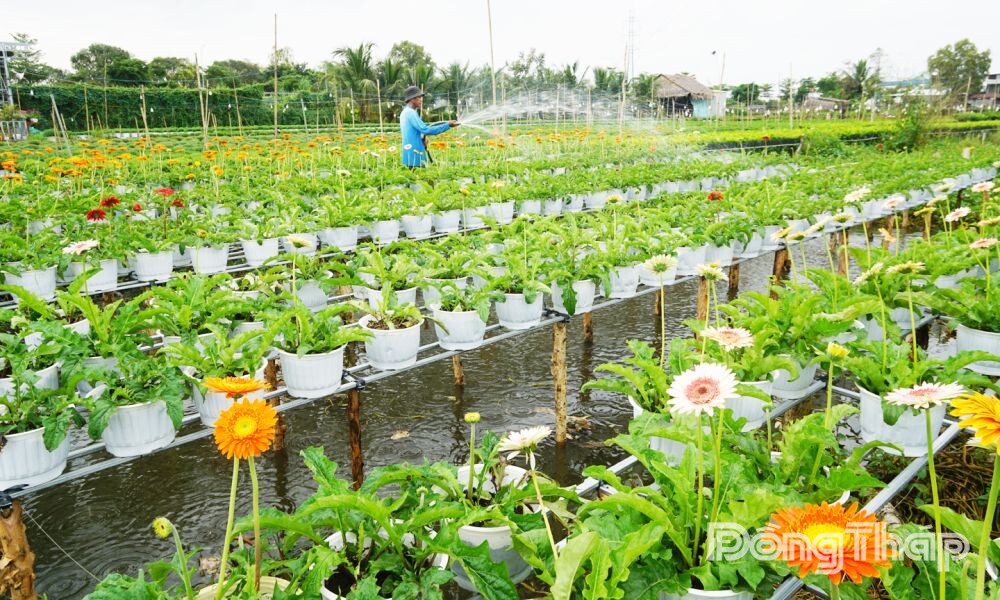
Mr. Duong Van Que recalled: “Back then, my father had already begun building raised platforms.
Initially, they were made of bamboo, with baskets woven from bamboo and lined with water coconut leaves, using decomposed straw as a substrate.
Growing flowers on platforms kept the plants well ventilated, prevented root rot and reduced soil-borne pests.” Today, the traditional bamboo structures have been replaced by sturdy steel frames and plastic piping systems, with an investment cost of around VND 15 million per 1,000 square meters.
The image of farmers rowing small boats through rows of elevated flower beds has become a unique tourism symbol, reflecting the harmonious relationship between people and nature.
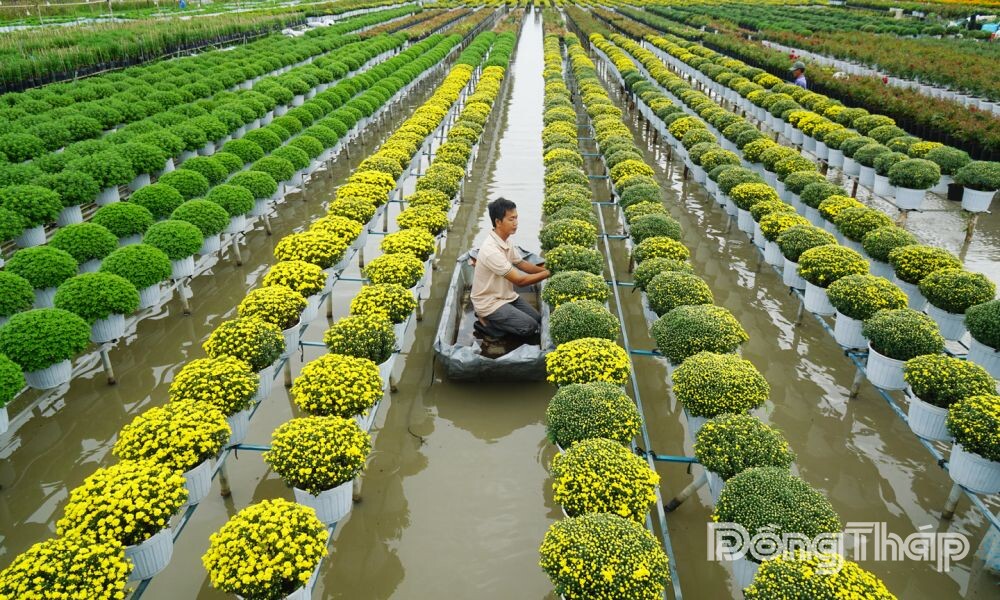
After 1975, Sa Dec Flower Village entered a period of robust development, expanding beyond Tan Quy Dong into surrounding areas.
According to local growers, this growth stemmed not only from inheritance of traditional skills but also from the rising spiritual and cultural needs of society.
As the country developed and living standards improved, the demand for flowers steadily increased-just as artisan Tu Ton once predicted: “One day, supply will no longer meet demand.”
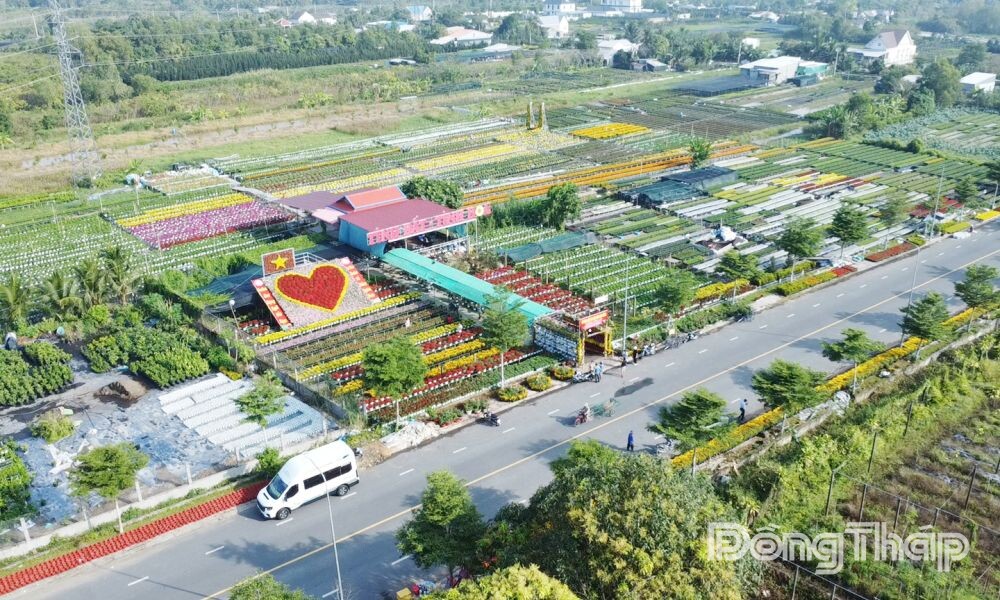
To date, Sa Dec Flower Village spans nearly 1,000 hectares with over 2,000 varieties of flowers and ornamental plants. Three key factors have driven breakthroughs in recent years: synchronized investment in transport infrastructure, a strategy combining agricultural production with tourism, and the deep passion for the craft among Sa Dec people.
The first Sa Dec Flower and Ornamental Plant Festival in 2023, followed by the second edition in 2025, has further affirmed the area’s position as a regional “kingdom of flowers.”
From Mr. Tu Ton’s rose branches along Thong Luu Canal many decades ago, Sa Dec has now emerged as a modern flower and ornamental plant production center-supplying domestic markets and confidently reaching out to the international stage.
By My Nhan
Translated by XUAN QUANG