
Seeking Sustainable Solutions For Mekong Delta Wetland Ecosystems
(DTO) On March 24, at the Tram Chim Commune People’s Committee Hall, Dong Thap Province, Tram Chim National Park, in collaboration with the Mekong Conservancy Foundation (MCF) and the United Nations Development Programme (UNDP), organized the workshop "Sustainable Wetland Ecosystem Restoration in the Mekong Delta."
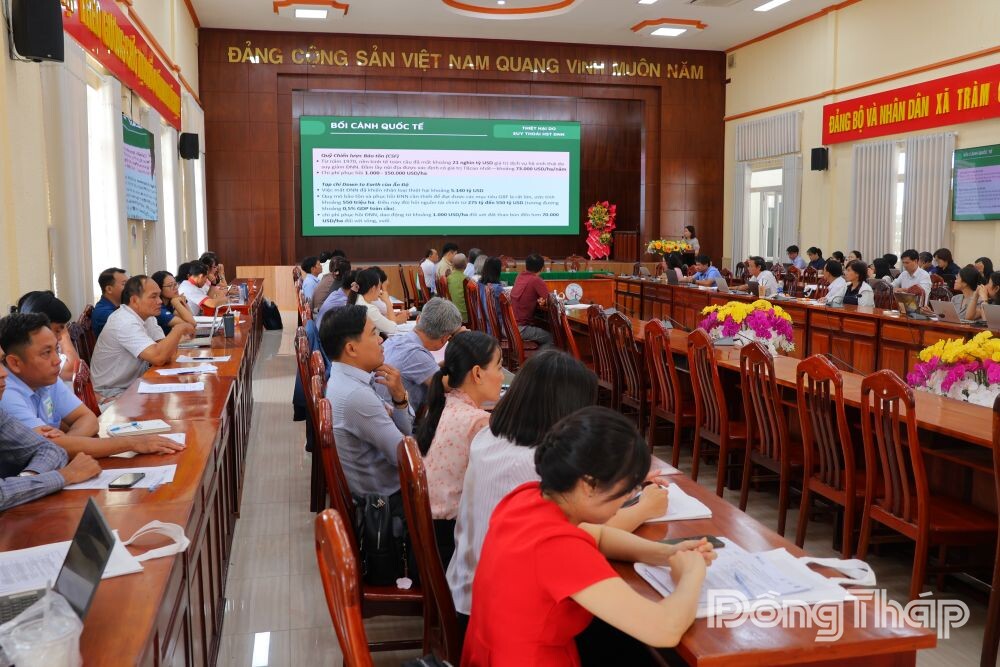
The workshop served as a forum for managers, experts and local communities to identify challenges and propose solutions for ecosystem conservation amid the increasing impacts of climate change.
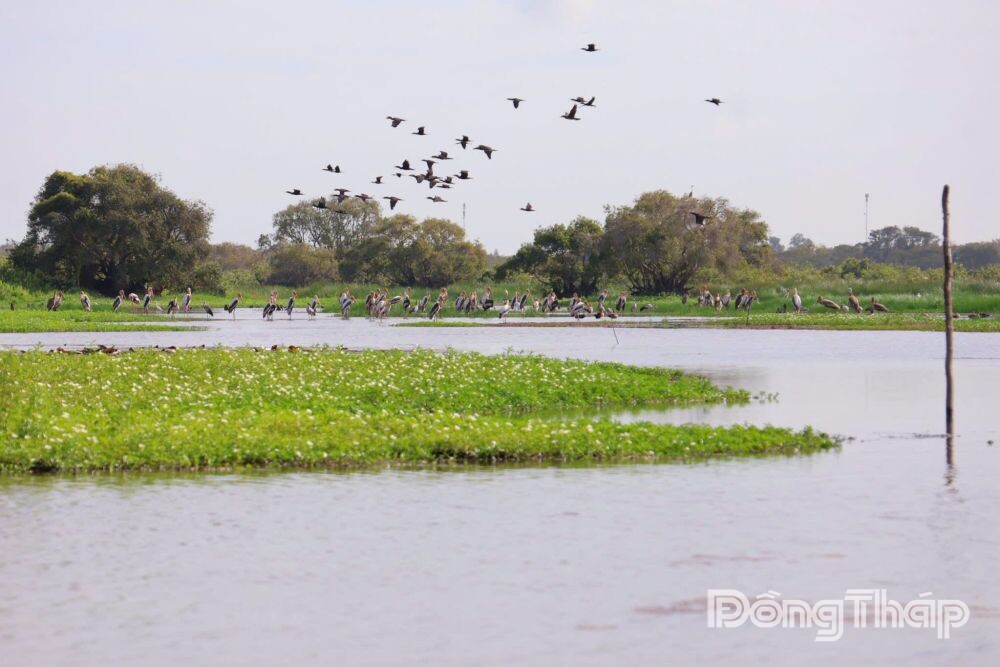
Speaking at the workshop, Mr. Bui Thanh Phong, Deputy Director of Tram Chim National Park, emphasized that wetland ecosystems play the role of an “ecological heart,” regulating water resources, conserving biodiversity, and providing livelihoods for millions of residents in the lower Mekong River region.
For Dong Thap, Tram Chim National Park is a Ramsar site of international importance, preserving valuable genetic resources and serving as the habitat of the sarus crane, a bird species that holds symbolic ecological and cultural value for the locality.
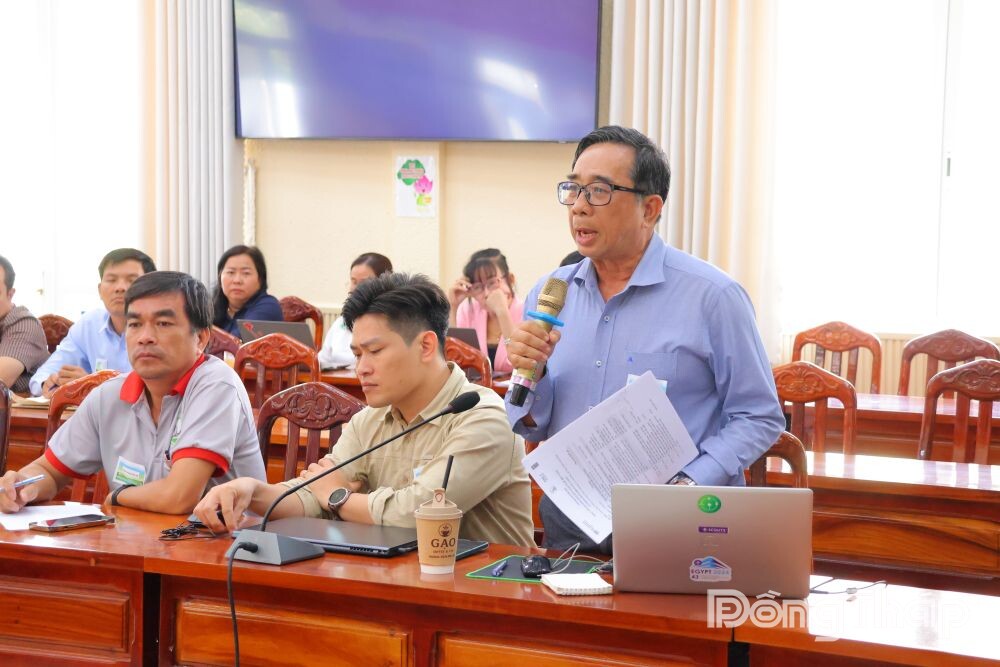
However, in reality, wetland ecosystems in the Mekong Delta are facing many challenges. Dr. Tran Triet, an expert from the International Crane Foundation and a lecturer at the University of Science under Vietnam National University – Ho Chi Minh City, said that protected areas currently cover only about 2% of the total area, leaving many important ecosystems such as rivers, lagoons and coastal shallow waters inadequately protected. Restoration efforts face difficulties due to a lack of scientific data, limited monitoring capacity, insufficient funding and a shortage of experts.
Notably, 98% of wetland areas located outside protected zones are under significant pressure from non-biodegradable waste, destructive fishing practices and intensive agricultural production using large amounts of chemicals.
These impacts, together with climate change and upstream development activities on the Mekong River, are posing major challenges to the sustainable development goals of the entire region.
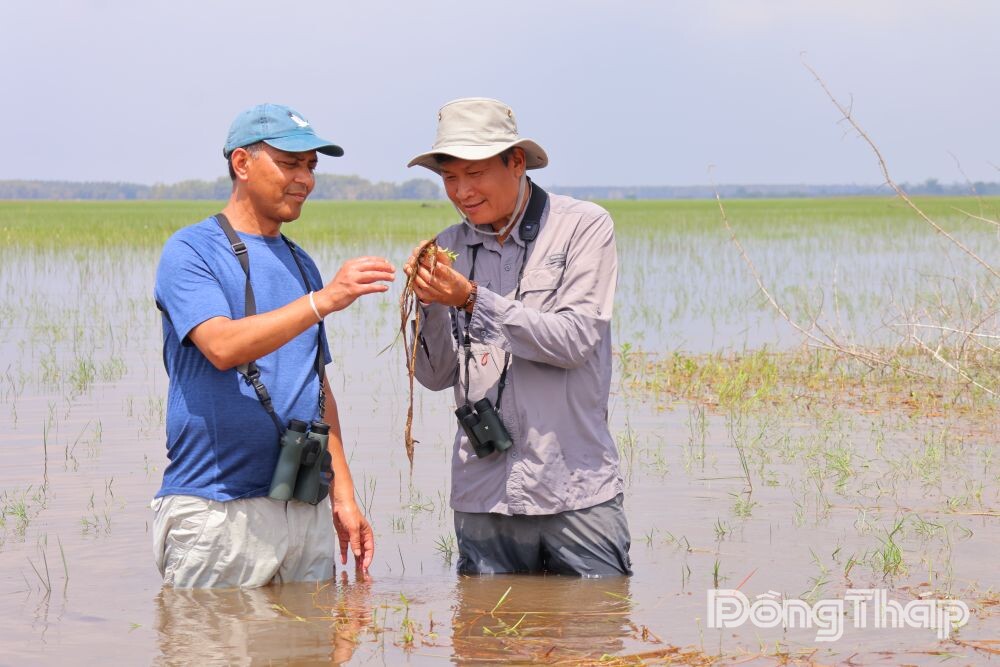
At the workshop, representatives of international organizations such as the International Union for Conservation of Nature and the World Wide Fund for Nature emphasized that wetland ecosystem restoration requires a holistic approach based on the principle of “working with nature” and the participation of multiple stakeholders, including the State, scientists, businesses, international organizations and local communities.
Delegates also focused on discussing public–private partnership (PPP) models in ecosystem management in coastal areas, inland areas and private land, aiming to mobilize social resources for conservation efforts.
Many participants suggested that mechanisms and policies should be improved to attract private sector participation in habitat restoration projects associated with the sustainable use of natural resources.
The management orientation for the 2025–2030 period of the Nature Conservation and Biodiversity Agency is expected to create a more comprehensive legal corridor, enabling national parks and conservation areas to proactively access resources and apply modern monitoring technologies.
From local practice, Dong Thap Province continues to affirm its viewpoint of pursuing economic development in tandem with environmental protection, without trading ecosystems for short-term growth. In the coming time, the province will focus on strict conservation zoning while promoting sustainable ecological economic development.
Priority will be given to restoring native habitats to create conditions for the return of the sarus crane to Tram Chim National Park, and to promoting the application of digital technology in resource monitoring and supervision. In addition, accessing the carbon credit market from wetland ecosystems is considered a potential direction, contributing to sustainable financial resources for conservation efforts.
The workshop concluded with many commitments to action toward the goal of protecting and restoring wetland ecosystems. This is considered an important starting point for long-term solutions to preserve ecological values and create a foundation for sustainable development in the Mekong Delta in the context of climate change.
By MY LY
Translated X.QUANG