

Tram Chim National Park Ready for Second Transfer of Six Sarus Cranes
(DTO) Tram Chim National Park is expected to receive six more sarus cranes from Thailand to Dong Thap on June 23 and 24. This will be the second transfer under the 2022-2032 Sarus Crane Conservation and Development Project, marking another step forward in the effort to restore the population of this iconic bird species of the Dong Thap Muoi wetlands.
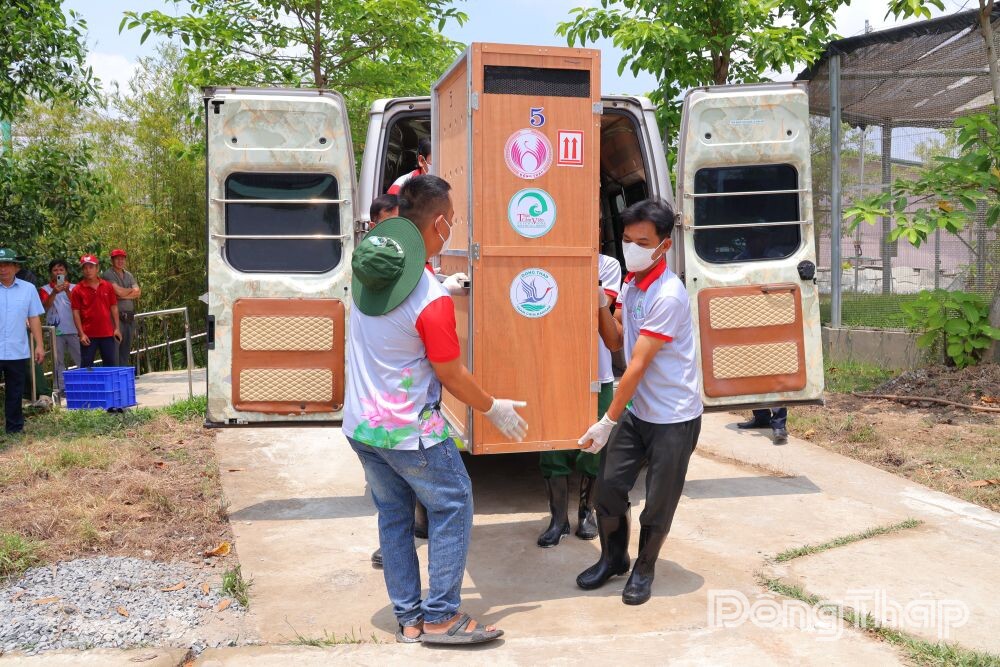
Up to now, Tram Chim National Park has completed all necessary preparations to welcome the new flock. Facilities for receiving, caring for, and conserving the cranes have been relatively fully developed, including a quarantine enclosure, breeding-pairing area, semi-wild habitat zone, and supporting facilities for health monitoring and veterinary care.
Cleaning, disinfection, food preparation, veterinary medicine, technical equipment, and professional staffing have also been carried out in a coordinated manner to ensure that the cranes can adapt well immediately after arriving at Tram Chim National Park.
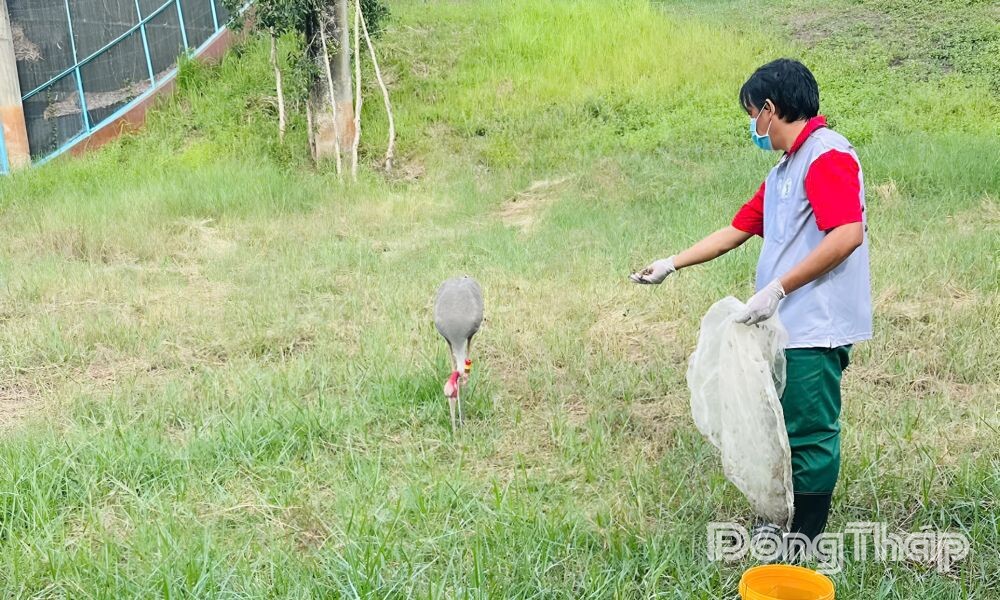
These proactive preparations are based on experience gained from the first transfer in 2025. According to Tram Chim National Park, after more than a year of care under technical protocols provided by the International Crane Foundation (ICF) and Thai experts, the five sarus cranes from the first transfer are now healthy and have adapted well to the climate, habitat, and food sources at the park.
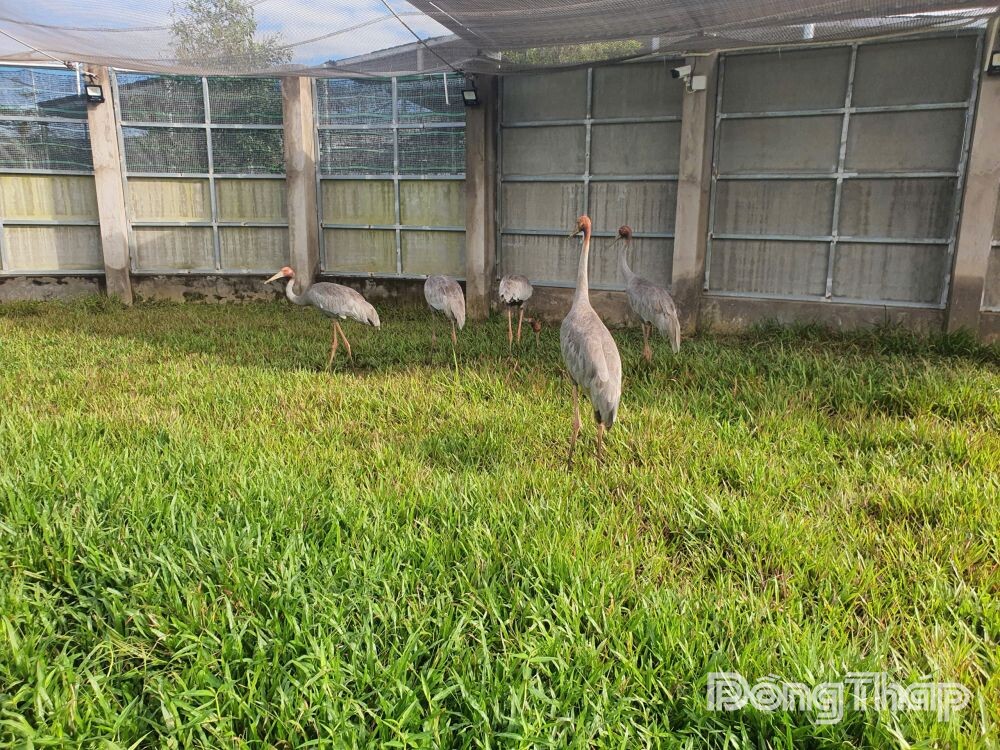
Notably, the cranes have now entered adulthood, an important milestone in the conservation roadmap. Technical staff are intensifying efforts to monitor each bird’s growth behavior, interactions, and breeding instincts. Pairing for breeding is also being implemented in line with the project plan, with the goal of establishing breeding pairs right at Tram Chim National Park in the coming years.
The encouraging results from the first flock not only confirm the initial effectiveness of the conservation program, but also show that efforts to restore Tram Chim’s wetland ecosystem are moving in the right direction. Once a place where sarus cranes had been absent for many years, Tram Chim is now gradually creating the necessary conditions to become a suitable habitat for this rare bird species once again.
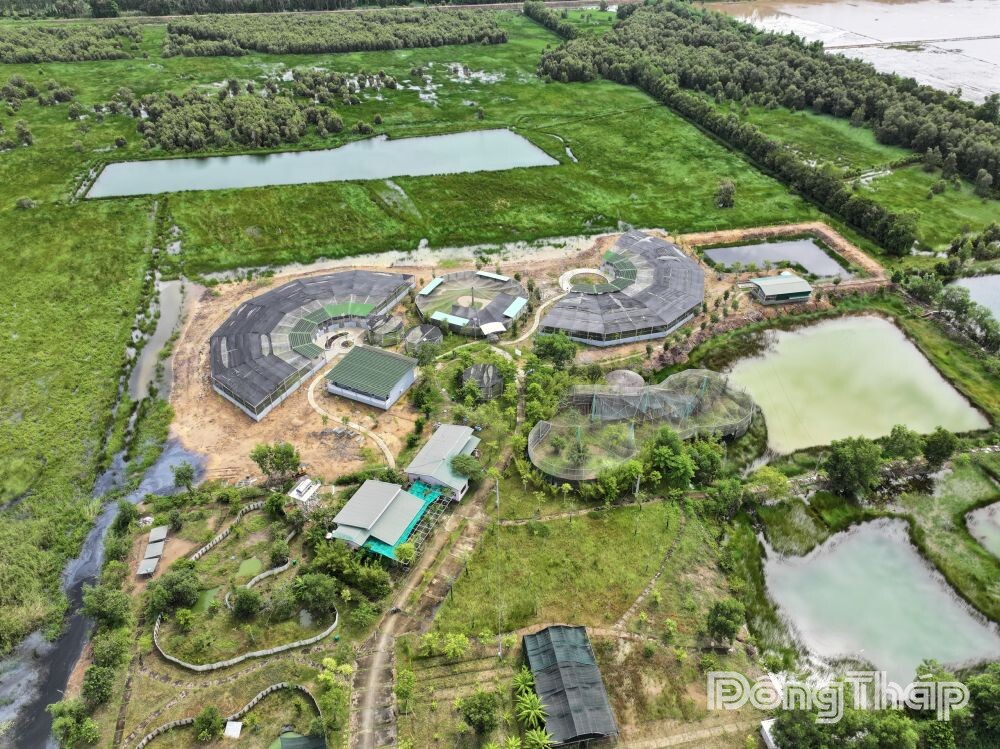
This latest transfer of six sarus cranes will not only add more individuals to the conservation program, but also reaffirm Dong Thap Province’s commitment to restoring the sarus crane population, conserving biodiversity, and enhancing the value of one of Vietnam’s most representative wetland ecosystems.
By MY LY
Translated by ANH DUC