
WWF, Dong Thap Launch Phase II of CRxN Project to Scale Up Nature-Based Solutions, Restore Wetlands
(DTO) On March 27, at the Tram Chim National Park area, WWF-Vietnam, in collaboration with the Dong Thap Provincial Department of Agriculture and Rural Development and the Department of Natural Resources and Environment, launched Phase II of the project "Climate Resilient by Nature" (CRxN) in the Mekong Delta.
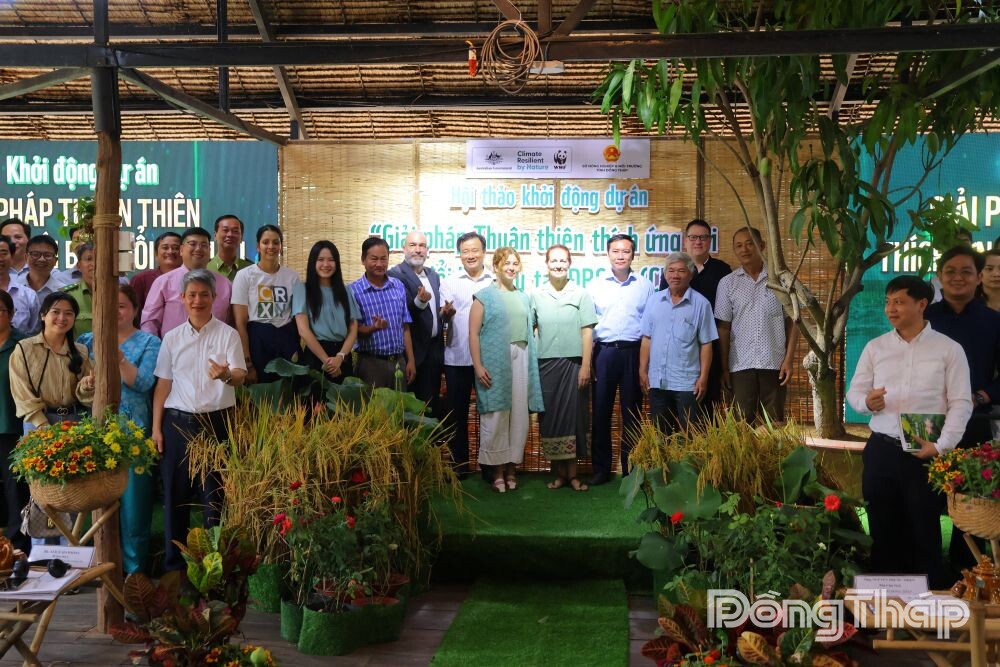
The event marks a strategic shift from pilot models to the scaling of nature-based ecological agriculture, contributing to the restoration of wetland ecosystems and enhancing community resilience.
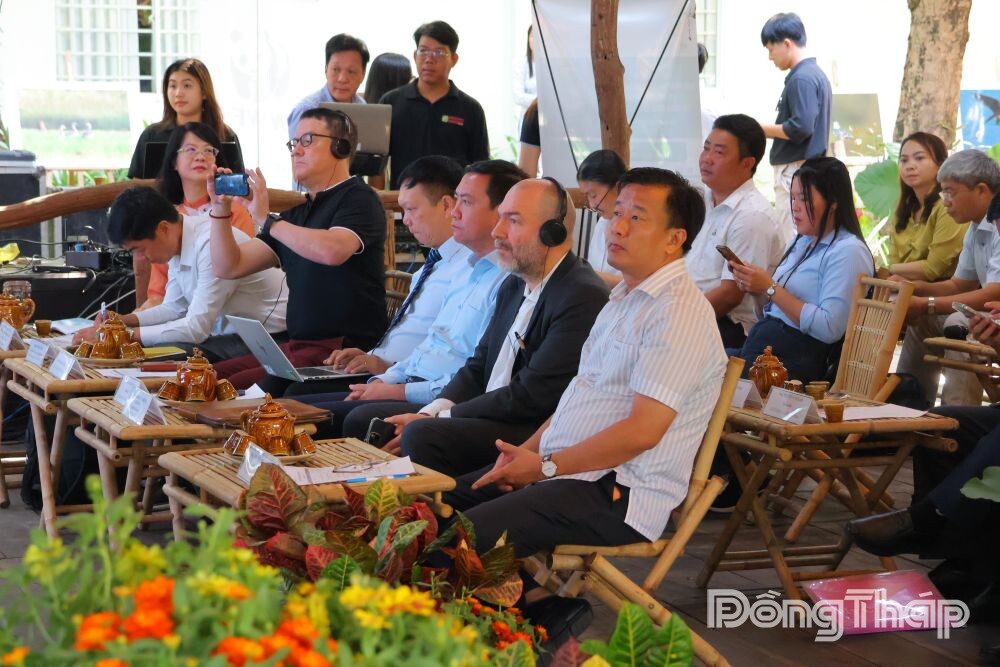
The ceremony was attended by Vice Chairman of the Provincial People's Committee Nguyen Phuoc Thien, along with over 80 delegates, including representatives from the Australian Department of Foreign Affairs and Trade (DFAT), central and local agencies, research institutes, and development partners.
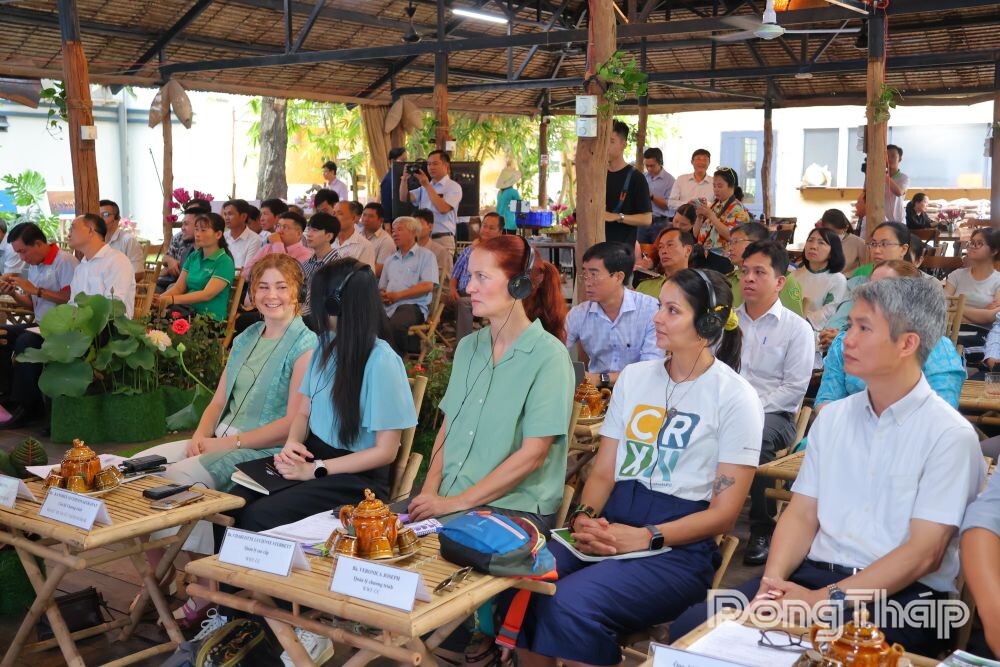
The CRxN project is funded by the Australian Government through the Mekong-Australia Partnership. It aims to restore 1,750 hectares of critical freshwater ecosystems while supporting sustainable livelihoods for nearly 2,000 vulnerable people in Dong Thap and Tay Ninh provinces.
This is a concrete step toward realizing nature-based climate-adaptive agricultural solutions tailored to the unique ecological conditions of the Mekong Delta.
Amidst the complex progression of climate change, the Mekong Delta is facing increasingly visible impacts from droughts, saltwater intrusion, sediment depletion, and altered flow patterns.
According to IPCC projections, a 1-meter sea-level rise could submerge approximately 40% of the region, directly affecting the livelihoods of over 17 million people.
Given this reality, transitioning production methods toward adaptation, nature-based approaches, and emission reductions has become an urgent requirement.
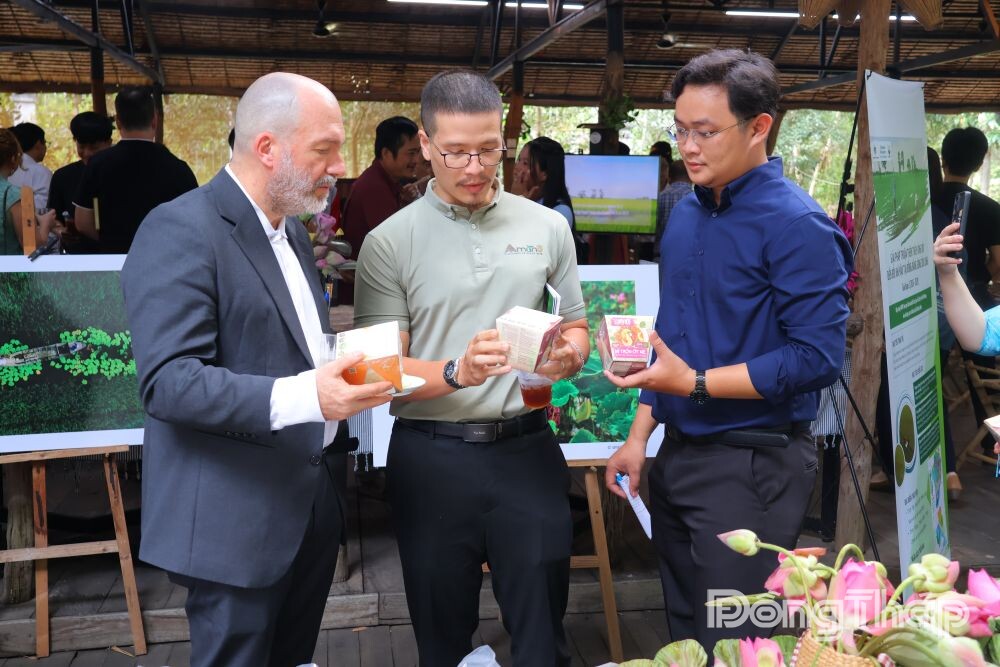
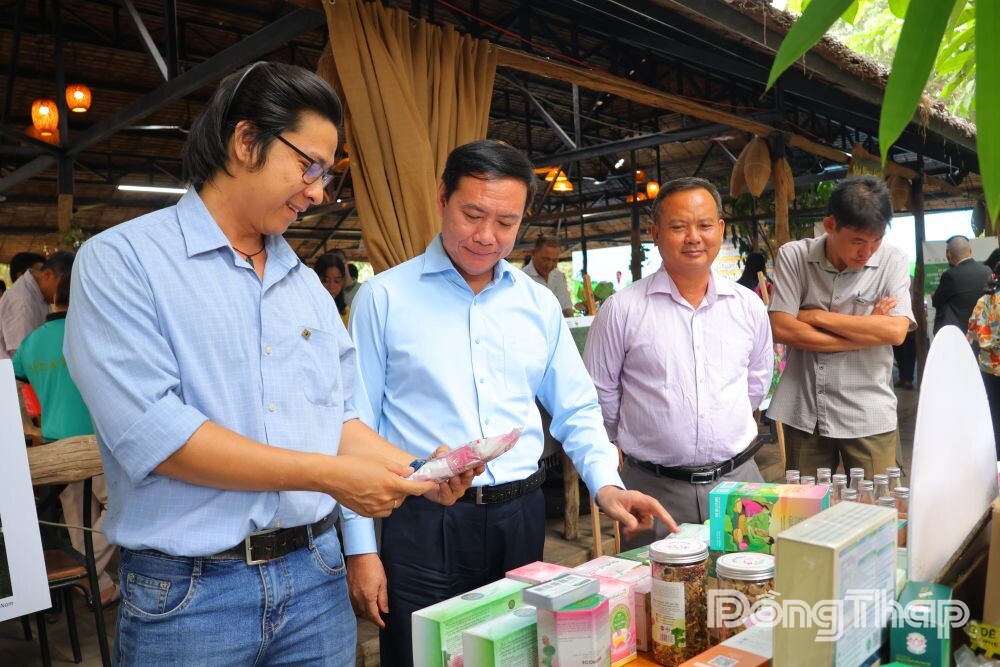
Building on the foundation of Phase I, the CRxN Project has successfully piloted several "flood-based" livelihood models—such as floating rice, rice-fish, and lotus-fish systems—in Tay Ninh Province. These integrated farming models not only contribute to restoring the ecological functions of wetlands, improving soil fertility, and water retention capacity but also help increase household income while reducing greenhouse gas emissions by approximately 25%.
Assessing the results and orientation of the project, H.E. Gillian Bird, Australian Ambassador to Vietnam, affirmed: "The Australian Government is committed to accompanying Vietnam in building a more resilient and sustainable Mekong sub-region."
She noted that the positive outcomes from the project's initial phase serve as a vital foundation for further expanding nature-based restoration solutions linked to livelihood improvement, thereby enhancing community resilience against climate change.
From a program implementation perspective, Ms. Charlotte Sterrett, Senior Manager of the Community Resilience and Adaptation Program at WWF-Australia, remarked: "Phase II of the project marks a transition from piloting to developing a roadmap for scaling up."
Identifying the clear value and ensuring the sustainability of community-led nature-based solutions will set the stage for attracting further investment resources in the future, even after the project concludes.
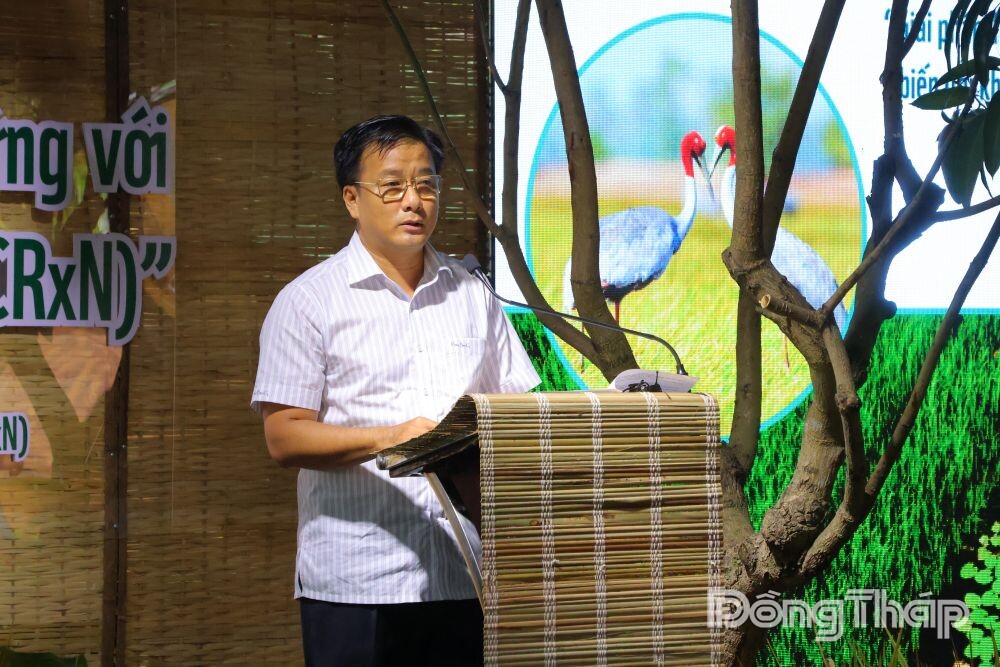
Speaking at the launch ceremony, Vice Chairman Nguyen Phuoc Thien emphasized that following the merger, the province now spans an area of 5,938.64 km2 with a population of approximately 4.37 million people. This expansion opens up significant room to reorganize developmental spaces, particularly within the agricultural sector.
The province is determined to shift strongly from a "production mindset" to an "agricultural economic mindset." With the market as the primary orientation, the province will focus on developing key product industries according to safety, GAP, and organic standards, coupled with expanding large-scale specialized production areas.
The provincial leader also frankly acknowledged that the increasing impacts of climate change are directly affecting agricultural production and the lives of residents. In this context, the "nature-based" approach—developing in harmony with nature—is identified as a fundamental and long-term direction.
Practical experience in Dong Thap shows that flood-based livelihood models, such as rice-fish, lotus-fish, and floating rice, not only adapt effectively to natural conditions but also create stable livelihoods and enhance added value for the people.
Phase II of the CRxN Project, implemented through 2029, will focus on scaling up proven models, aiming to restore wetland ecosystems at a landscape scale, especially in the buffer zones of the Lang Sen Wetland Reserve and Tram Chim National Park. Simultaneously, the project will continue to promote multilateral cooperation and enhance community adaptive capacity, striving toward the goals of ecological, sustainable agriculture and long-term climate security for the entire Mekong Delta.
By MY LY
Translated by X.QUANG