
THE 3RD SESSION OF THE 11TH DONG THAP PROVINCIAL PEOPLE'S COUNCIL:
48 Resolutions Passed Across Key Sectors
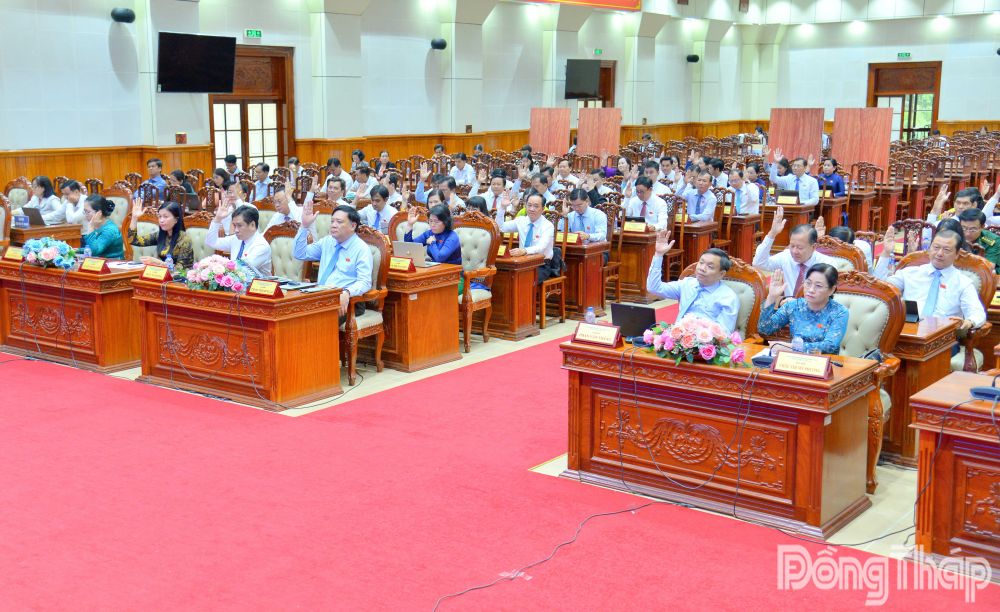
(DTO) After three days of high-stakes, democratic, and responsible deliberations, the Third Session of the 11th Dong Thap Provincial People's Council (2026–2031 term) concluded on the afternoon of July 9, successfully completing its entire agenda.
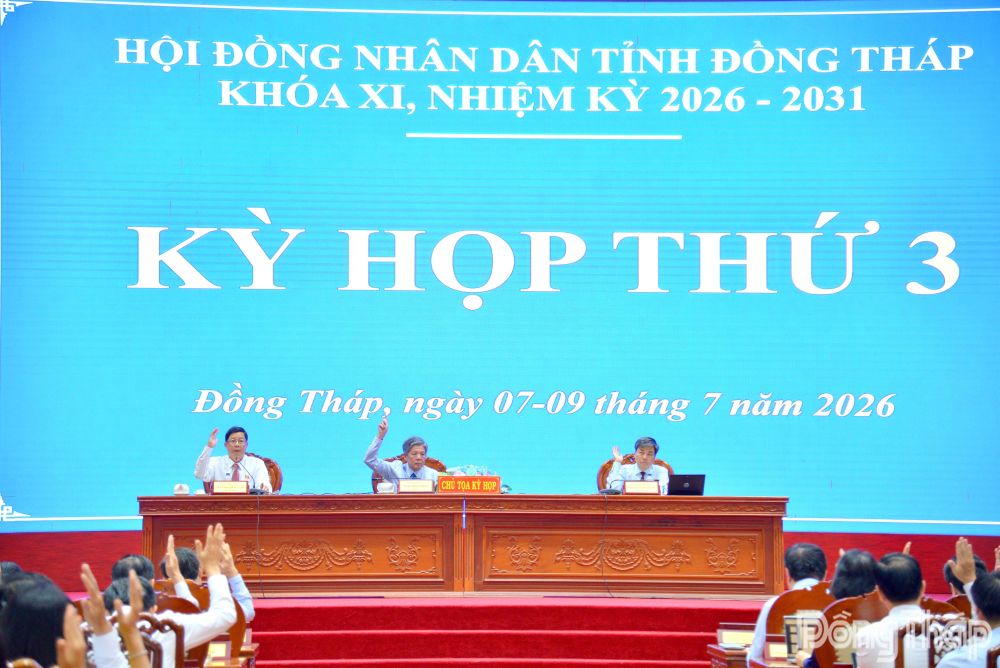
Following consideration of delegates' discussions and explanations presented by drafting agencies, the Provincial People's Council approved 48 resolutions. These pivotal policy decisions will provide the legal foundation for implementing the province's socio-economic development goals, improving institutional mechanisms and policies, and unlocking new development resources in the coming period.
Question-and-answer (Q&A) sessions continued to be improved with a more concise and focused approach, directly addressing issues of concern to voters and the public. Numerous practical matters arising from local communities and voters' recommendations were discussed and questioned by delegates.
Demonstrating a strong sense of responsibility toward delegates and constituents, leaders of the Provincial People's Committee and heads of provincial departments provided detailed explanations on issues raised during the session. They frankly acknowledged shortcomings and limitations within their respective sectors while proposing concrete solutions, commitments, and implementation roadmaps to address existing limitations.
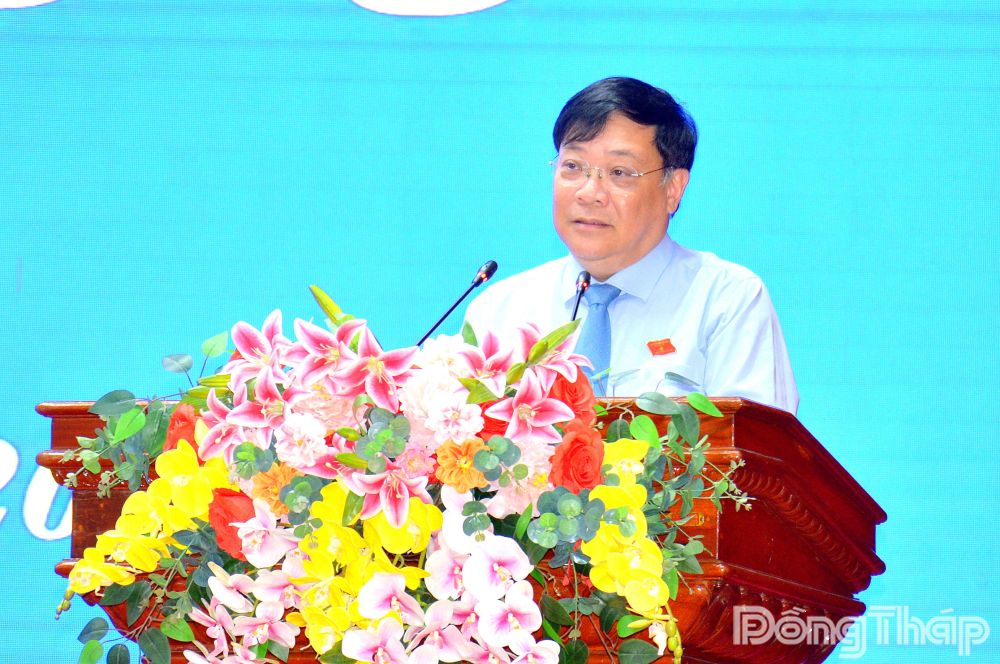
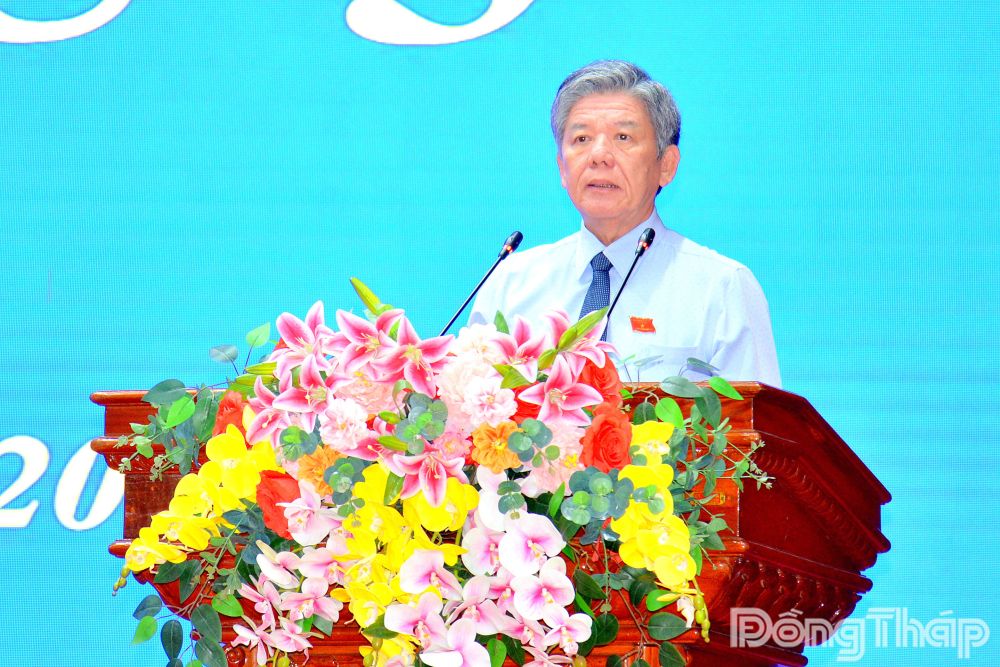
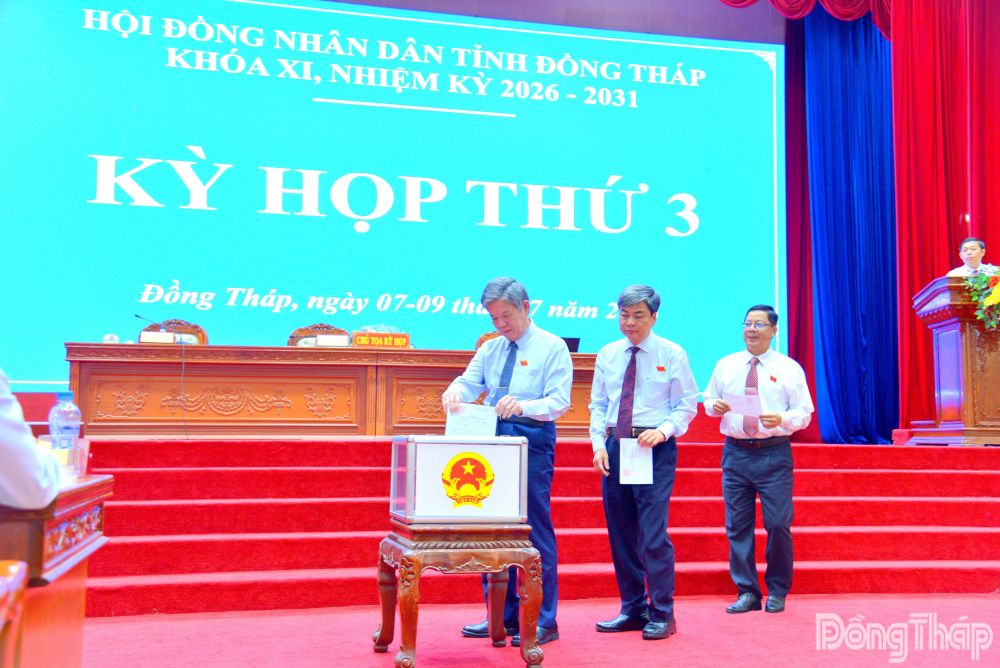
During the session, delegates also voted to relieve Mr. Nguyen Van Vu Minh, former Director of the Department of Home Affairs, from his position as a member of the Dong Thap Provincial People's Committee for the 2026–2031 term following his reassignment. Delegates subsequently conducted a supplementary election for a new member of the Provincial People's Committee. Major General Tran Minh Trang, Commander of the Dong Thap Provincial Military Command, received unanimous support from all delegates present and was elected as a member of the Dong Thap Provincial People's Committee for the 2026–2031 term.
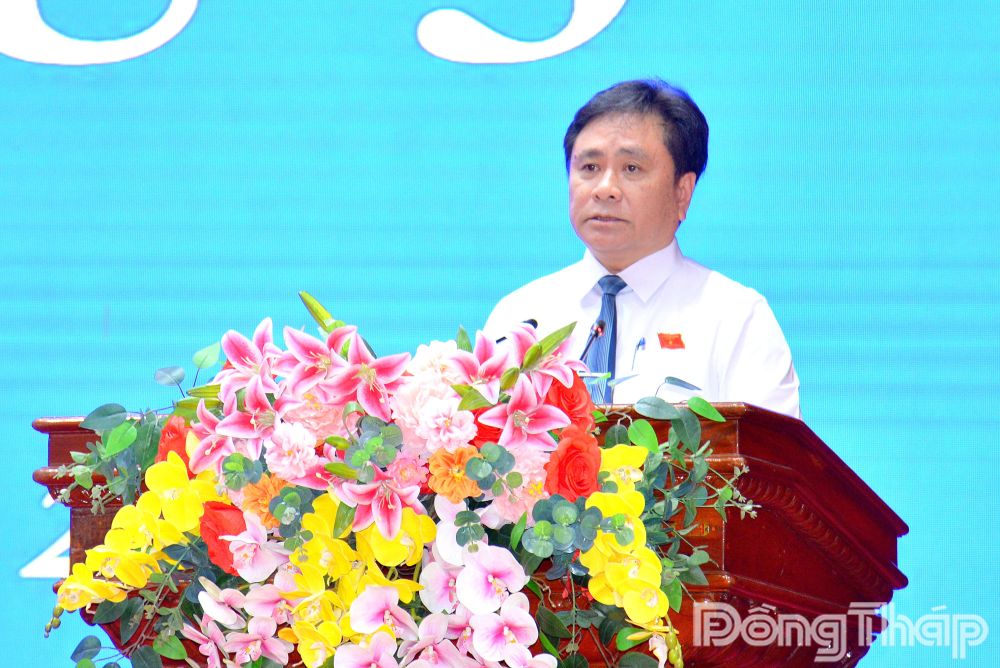
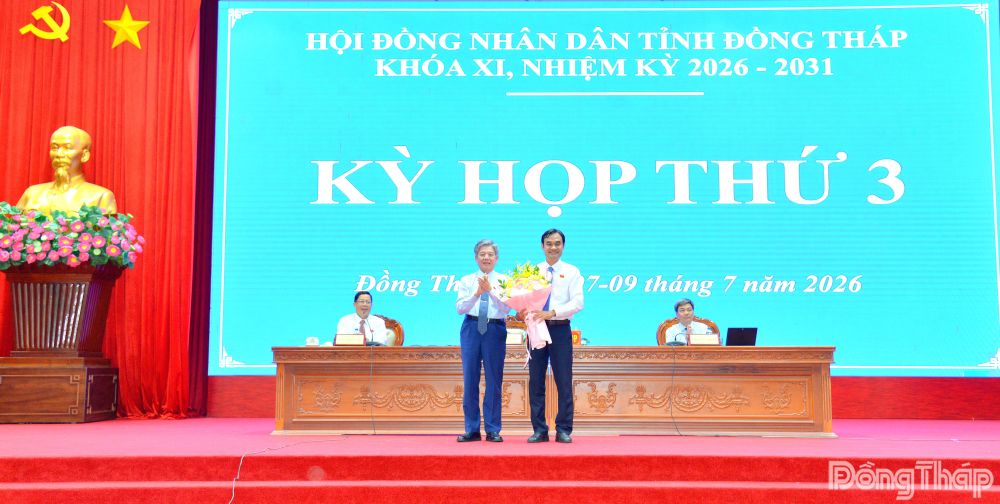
Delivering the closing address, Mr. Ngo Chi Cuong, Member of the Party Central Committee, Secretary of the Dong Thap Provincial Party Committee, and Chairman of the Provincial People's Council, emphasized that after three days of scientific, democratic, and highly responsible deliberations, the Provincial People's Council had successfully completed its entire agenda. To ensure that the newly adopted resolutions quickly produce tangible results, remove development bottlenecks, and contribute to sustainable economic growth, Mr. Ngo Chi Cuong called on the Provincial People's Committee, provincial departments, local authorities, and, in particular, Provincial People's Council delegates to focus on drastically executing six key groups of tasks in accordance with their respective responsibilities.
First, he urged the prompt dissemination and immediate implementation of all resolutions adopted by the Provincial People's Council, translating them into specific programs, action plans, projects, and directives tailored to the functions and responsibilities of each agency, unit, and locality, while clearly assigning responsibilities and implementation timelines.
He also stressed the need to strengthen supervision, appraisal, and implementation monitoring to ensure that the resolutions are carried out promptly, consistently, and effectively.
In addition to conventional communication methods, he called for more diverse approaches to disseminating the resolutions. The Standing Committee of the Provincial People's Council will coordinate with the Provincial Party Committee's Commission for Popularization and Education, the Commission for Mass Mobilization, and local media agencies to transform the resolutions into infographics, short videos, and concise, easy-to-understand policy summaries for dissemination through official local social media platforms and community groups serving residents and businesses. "Policies must reach their intended beneficiaries—directly and in the clearest, most understandable way possible," he emphasized.
Second, resolution implementation must be closely supervised to ensure effectiveness and allow for timely adjustments and supplements. The Standing Committee of the People's Council, its specialised committees, delegate groups, and individual delegates should heighten their oversight accountability, monitor commitments made during Q&A sessions, and follow up on post-supervision recommendations. Based on actual supervision results, they should promptly propose specific solutions to drive functional agencies to streamline processes and maximize implementation efficiency and effectiveness.
Third, delegates and leaders of departments and sectors should continue staying close to the grassroots, strengthen engagement with voters, and meet regularly with the business community to gauge emerging difficulties and obstacles, thereby proposing appropriate policy amendments or new directives that meet development needs.
Fourth, voter engagement should be fundamentally reformed by focusing on thematic topics and issues of greatest public concern. Meetings should be organised according to specific themes, with participants limited to those directly affected by or possessing expertise in the relevant field, rather than being invited broadly based on administrative boundaries. Engagement should also expand beyond the confines of commune and ward offices.
People's Council delegates should proactively visit university lecture halls to discuss education issues with lecturers and students; head directly to industrial parks to hear workers' concerns regarding social housing, wages, insurance, and occupational safety; and travel to rural areas to listen directly to farmers' feedback.
Fifth, the provincial People's Committee, departments, sectors, and local authorities should drastically and synchronously execute socio-economic development tasks during the second half of 2026, closely following targets set by the Provincial Party Committee, the People's Council, and the provincial socio-economic development plan. The province aims to secure a GRDP growth of at least 8.21% in 2026, laying a solid foundation for fulfilling development objectives throughout the current term.
Sixth, authorities at all levels should prioritize the proper issuance and execution of social security resolutions to safeguard livelihoods, particularly for revolution contributors, policy beneficiary families, poor households, and vulnerable groups. They should also promptly implement policies for officials, civil servants, public employees, and workers affected by administrative restructuring; as well as policies for commune-level officials and part-time workers in hamlets and neighborhoods. This will ensure timely delivery to the correct beneficiaries, helping stabilize the organizational structure, build public consensus, and enhance the operational efficiency of the two-tier local government model.
Party Secretary Ngo Chi Cuong stressed that the workload for the remaining six months of 2026 is immense, requiring the highest level of determination from all levels of government, sectors, and localities. He called on every People's Council delegate to make greater efforts to fulfil the commitments made during their election campaigns, remain worthy of the trust and expectations of voters, and continue demonstrating political mettle, wisdom, and responsibility toward the Party organisation, government, and people of Dong Thap Province.
By THU HOAI - LE MINH
Translated by X.QUANG