
Dong Thap: Accelerating AI, Big Data, and Emerging Technologies in State Management
(DTO) On the afternoon of March 17, the Dong Thap Provincial Steering Committee for Science, Technology, Innovation, and Digital Transformation (the Provincial Steering Committee) organized a conference to review work in the first quarter of 2026 and outline orientations and tasks for the second quarter.
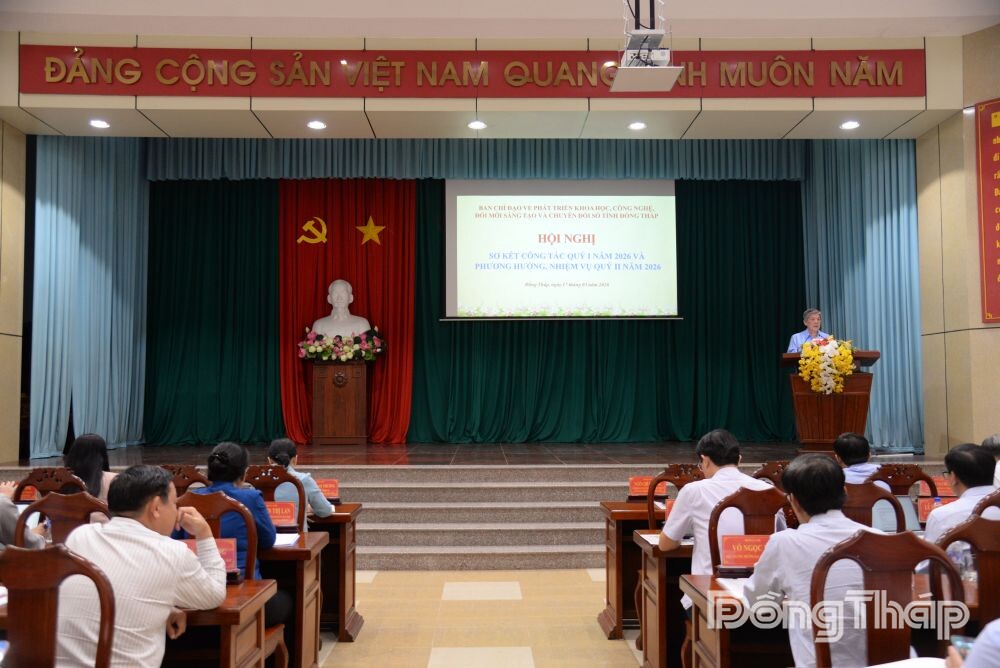
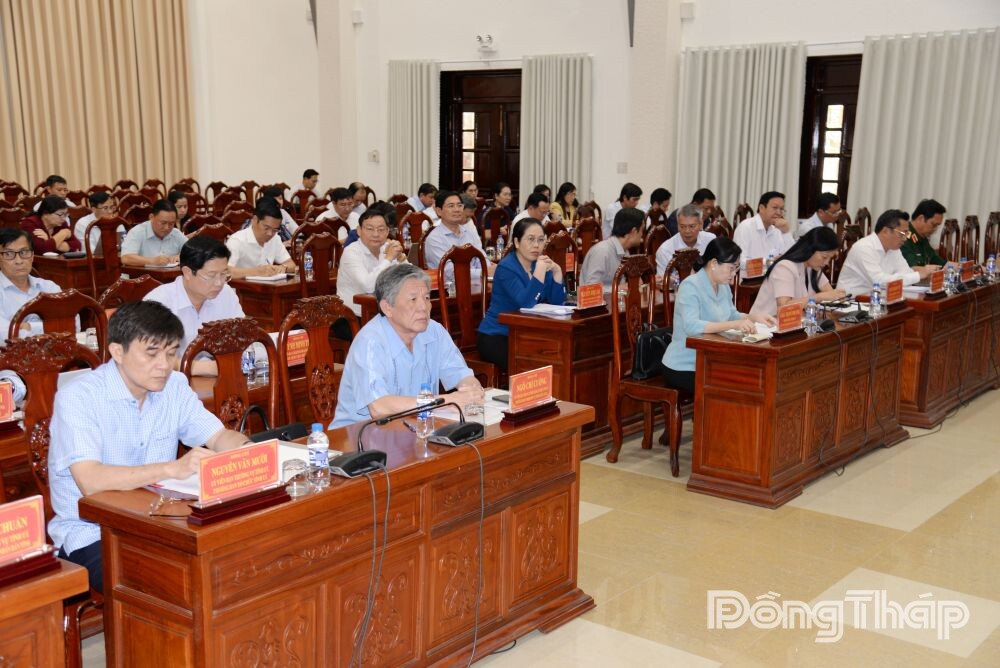
Attending the conference were Mr. Ngo Chi Cuong, member of the Party Central Committee, Secretary of the Provincial Party Committee, Head of the Dong Thap Provincial National Assembly Delegation, and Head of the Provincial Steering Committee; Ms. Chau Thi My Phuong, Deputy Secretary of the Provincial Party Committee and Chairwoman of the Dong Thap Provincial People’s Council; along with members of the Provincial Steering Committee.
In the first quarter of 2026, the Provincial Steering Committee promptly issued comprehensive documents to implement Resolution No. 57-NQ/TW of the Politburo. These directives clearly defined key tasks for 2026, specifying responsibilities, timelines and expected outcomes in line with the orientation of the Central Steering Committee.
The implementation of Resolution No. 57 in the province has been carried out in a serious, synchronized manner, yielding positive results. Key targets have been maintained on schedule, while data platforms and electronic management systems have been strengthened. The awareness and digital skills of officials have improved, providing an important foundation for fulfilling tasks assigned by the provincial and central authorities in 2026.
During the first quarter of 2026, the province also intensified communication efforts to disseminate and thoroughly grasp Resolution No. 57 and related directives. At the same time, it focused on building and refining institutional frameworks and regulations for science and technology, innovation and digital transformation.
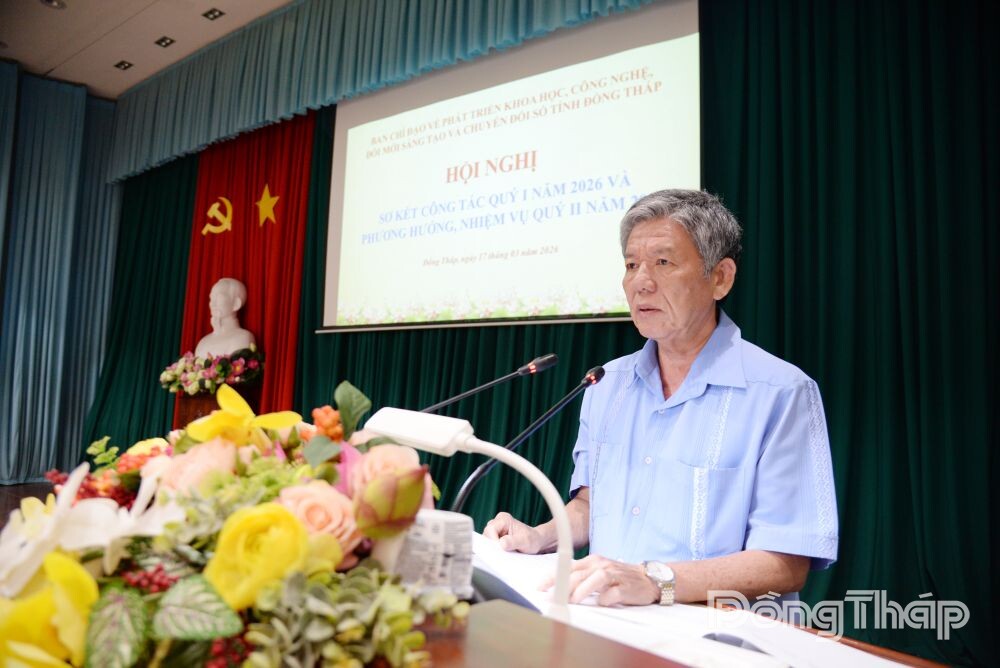
Regarding the development of science, technology and innovation, Dong Thap Province has completed the investment project for the provincial Startup and Innovation Space and is currently working on its operational plan. Since the beginning of 2026, a total of 38 provincial-level innovation tasks have been implemented across the locality.
In terms of digital transformation, telecommunications infrastructure has been strengthened to ensure stable and uninterrupted operations for the two-tier local government system. The province has allocated VND 45.9 billion to commune-level People’s Committees to upgrade Public Administrative Service Centers and procure equipment and working facilities.
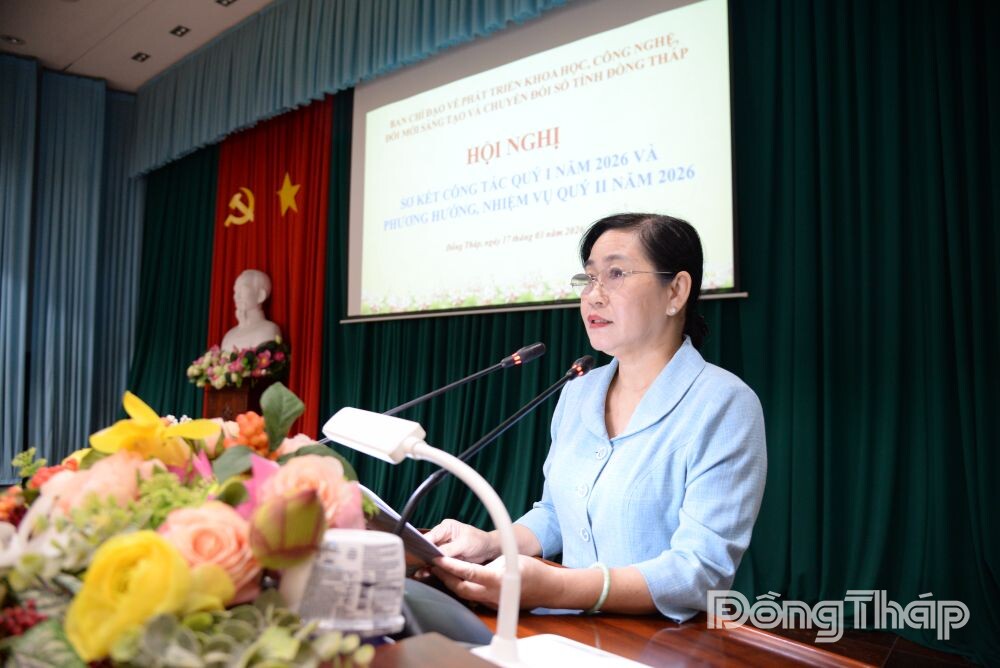
The digital economy has begun contributing to the province’s overall economic growth, accounting for 6.68% of the total economic scale. Digital society activities continue to be promoted through programs supporting citizens, businesses, household enterprises and OCOP entities to establish a trusted and secure online presence using the national “.vn” domain.
The province has also focused on standardizing and operating digital platforms to ensure uninterrupted government functions. Notably, Dong Thap has unified the use of a single centralized Intelligent Operations Center (IOC) system for the entire province, while maintaining IOC systems in several key wards. In addition, the province has created 137 new databases and standardized 17 existing databases to ensure they are accurate, complete, clean and up-to-date.
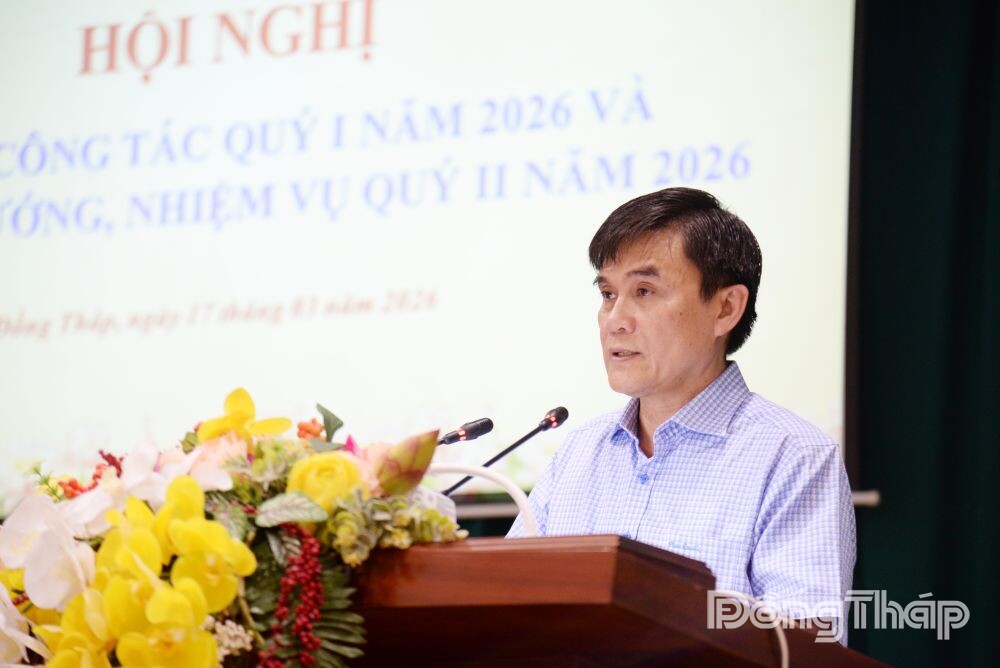
During the conference, various departments and sectors presented orientations and solutions for high-quality human resource development; the progress of transforming the Mekong Software Park into a Concentrated Digital Technology Zone; the deployment of a comprehensive smart healthcare system; and digital transformation within the sectors of Education and Training, Industry and Trade, Finance, and Agriculture and Environment.
In his keynote address, Mr. Ngo Chi Cuong emphasized that, based on the reports and discussions, it is evident that the implementation of tasks in the first quarter of 2026 has achieved many positive results.
Looking ahead, Mr. Ngo Chi Cuong requested departments and sectors to focus on reviewing and overcoming the limitations of 2025. He directed the Department of Science and Technology, as the lead advisory and coordinating agency, to collaborate with other departments and localities to develop a specific plan to promote the development and use of personal digital signatures province-wide. Simultaneously, communication and guidance must be intensified to help citizens register, install, and utilize these signatures in electronic transactions and online public services.
A critical task involves leading the formulation and issuance of the provincial shared and open database directory, which must be completed as soon as possible. The department was also urged to coordinate with other sectors to accelerate the application of AI, Big Data, and emerging technologies in state management, and to advise the Provincial People’s Committee on plans to promote cashless payments.
The Office of the Provincial People’s Committee is tasked with improving the operational quality of the administrative procedure resolution system to minimize system errors. Particular emphasis must be placed on enhancing the quality of full-process online public services to minimize the need for physical paperwork. Furthermore, coordination with Central ministries and sectors is essential to resolve bottlenecks when deploying public service systems from the central level down to the local level.
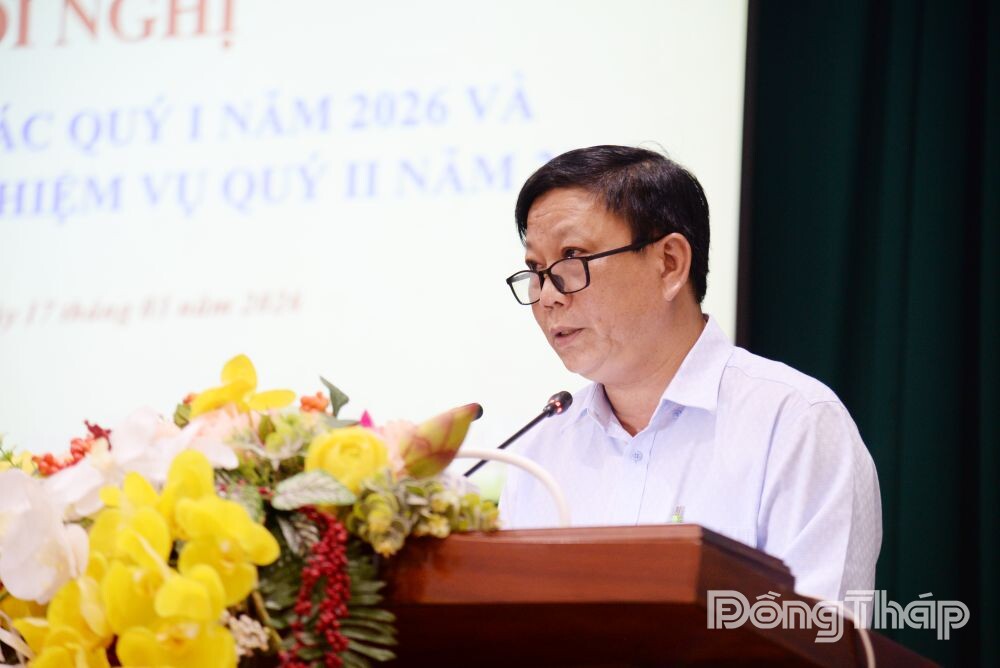
Communes and wards must determine that digital transformation is not the sole task of any single sector but a shared responsibility of the entire political system. Concurrently, they must proactively deploy digital transformation models suited to local realities, while intensifying communication and mobilizing citizens to adopt cashless transactions.
Particular emphasis must be placed on leveraging the role of Community Digital Technology Groups in assisting citizens with VNeID installation and cashless payments, as well as supporting collaborative groups, cooperatives, and farmers in selling products on e-commerce platforms.
The Department of Education and Training is urged to drastically implement digital records and electronic transcripts, and to effectively build and utilize a "Digital Learning Resource Repository" for provincial use. The department must ensure that 100% of secondary school students are equipped with cyber-safety skills.
The Department of Health must take a leading role, ensuring that 100% of hospitals and medical centers across the province implement electronic hospital fee payments.
The Provincial People’s Committee will continue its decisive efforts in training and fostering digital transformation knowledge for provincial cadres, civil servants, and public employees. The goal by the end of 2026 is for 100% of commune-level officials to be proficient in basic digital skills and capable of using simple data analysis tools.
Simultaneously, the committee is directed to allocate sufficient personnel for receiving dossiers and returning administrative results to citizens and businesses. Regular inspections of the disbursement progress for S&T, innovation, and digital transformation funds must be conducted to promptly resolve bottlenecks. Furthermore, the provincial Startup and Innovation Space should be operationalized soon to support creative startups and develop a network of S&T consultants.
Each member of the Provincial Steering Committee must focus resolutely on their assigned tasks. We must recognize that the development of science, technology, innovation, and digital transformation serves as the leverage for the growth of the government, society, and economy.
By M. THANH
Translated by X.QUANG