
Dong Thap Demonstrates Flexibility and Creativity in Election Communication
(DTO) "The success of an election is measured not only by figures but is felt through the trust, consensus, and sense of responsibility radiating from every citizen."
This was clearly reflected in communication and mass mobilization efforts during the election of deputies to the 16th National Assembly and People’s Councils at all levels for the 2026–2031 tenure in Dong Thap Province—where the will and trust of the people were expressed through every ballot.
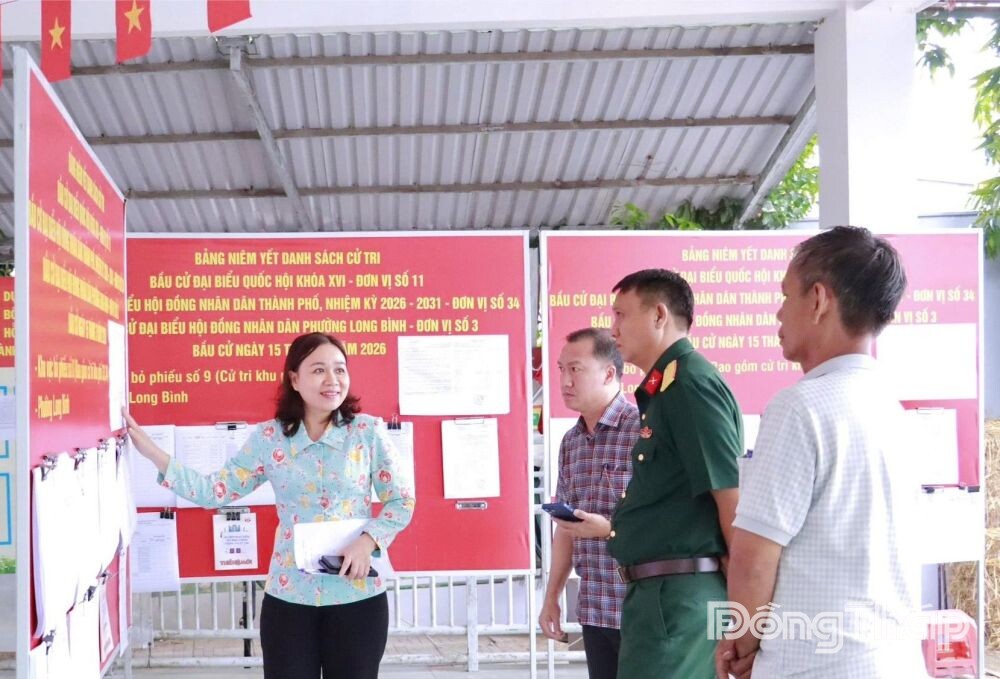
Through this process, many valuable lessons were drawn—not only for this election but also as a foundation for improving the quality of communication and mass mobilization work in the future.
First and foremost, the core and consistent lesson is to stay close to reality and always place the people at the center.
All policies and communication messages can truly come to life only when they originate from the legitimate needs and aspirations of the people.
When people understand, trust and reach consensus, they are not merely recipients of information but become active and voluntary participants, creating the strength of great national unity and becoming the decisive factor in the success of the election.
It is also essential to strongly promote the role of the Vietnam Fatherland Front and socio-political organizations in mass mobilization. These organizations are close to the people, understand the people, and have the ability to effectively spread information.
When these organizations truly engage with a high sense of responsibility, mass mobilization is no longer administrative in nature but becomes an act of sharing and companionship, thereby inspiring voluntary and proactive participation from the people.
In Dong Thap Province, mass mobilization in the election truly became a “soft key” with great power, contributing significantly to the success of the election.
The image of households willingly offering their own homes as polling stations or logistical support locations, even cooking meals for election staff, became vivid proof of the strength of public support.
Many families not only provided venues but also took the initiative to clean, decorate and carefully arrange flowers and lighting to make polling stations more solemn and welcoming, demonstrating their respect for this important national event. This was not merely material support but a way of expressing trust and the spirit that “each citizen is a stakeholder in the election.”
Grassroots propaganda and mass mobilization systems closely followed their localities, coordinating effectively with the Vietnam Fatherland Front and socio-political organizations to listen to public concerns and address people’s questions.
Encouraging voter participation was not limited to general communication campaigns but was integrated into effective grassroots mobilization models.
Thanks to strong public consensus, mass mobilization efforts spread into a broader community movement, ensuring that the election was not merely a task of the political system but truly became a festival of the entire people—where the Party’s will and the people’s aspirations converged, creating a solid foundation for the overall success of the election.
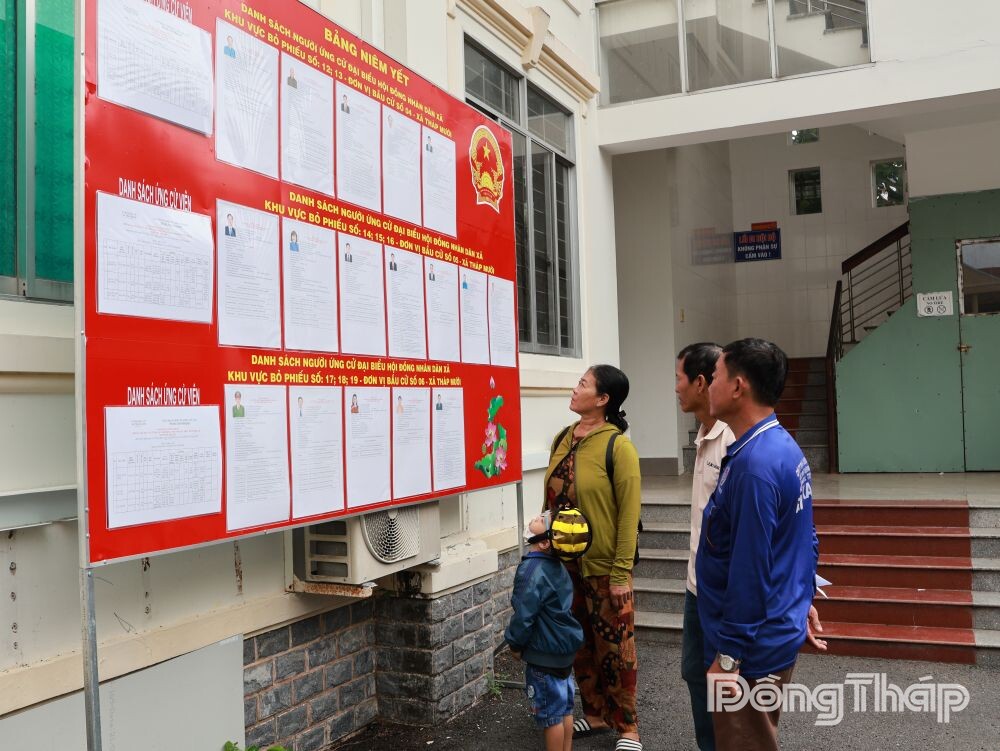
Second, communication work must always go one step ahead, playing a guiding and leading role. Communication is not only about providing information but also about building trust, inspiring emotions and shaping social awareness.
Therefore, it is necessary to closely combine communication and mass mobilization, between “words” and “actions,” between “persuasion” and “leading by example,” so that messages spread through practical actions.
Communication content must be profound yet accessible, accurate yet relevant to public concerns. Communication methods should be diverse and creative, effectively combining traditional media and modern technology so that information not only reaches the people but also remains in their awareness and sentiments.
From the very beginning, the Provincial Party Committee’s Commission for Information, Education and Mass Mobilization issued guidance documents on election communication.
As the standing body of the Information and Communication Subcommittee, it promptly issued implementation plans, clearly defined roadmaps and assigned specific responsibilities, ensuring consistency throughout the system.
Members of the Information and Communication Subcommittee actively and proactively carried out their tasks, while local authorities demonstrated flexibility and responsibility, applying local conditions and maintaining close contact with communities to ensure effective and continuous communication.
Communication content was carefully prepared in line with the Central Government’s orientation and local realities, focusing on communication outlines, Q&A materials and guidance documents. Communication activities were carried out in diverse and flexible forms across multiple platforms, including newspapers, radio, television, electronic portals, social media, as well as visual communication such as posters, banners and slogans.
Communication conferences, Party cell meetings, and cultural and artistic activities were organized widely, especially with strong outreach at the grassroots level, bringing election information to every residential cluster, hamlet and household, ensuring that all social groups had full and accurate access to election information.
The application of digital technology in communication has been actively promoted through many new and practical initiatives, such as the implementation of the Electronic Party Member Handbook, the integration of QR codes for accessing information on the election, candidates and related regulations, and the development of short, visual and easy-to-share digital communication products on social media platforms.
The grassroots broadcasting system continued to operate effectively, ensuring that information was promptly delivered to every residential area, especially in remote and rural areas. Provincial media agencies maintained regular and continuous coverage, creating a positive flow of information and helping guide public opinion.
A notable highlight was the communication peak launched before March 15, 2026, creating a vibrant and widespread political atmosphere. Every road, residential area, agency and organization was decorated with colorful election propaganda, and every cadre and Party member became an “active communicator.”
From urban to rural areas, voters enthusiastically went to the polls early in the morning, clearly demonstrating citizens’ sense of responsibility toward the country and their locality.
The harmonious combination of in-depth content and diverse forms, between traditional and modern approaches, made the province’s election communication more vivid, accessible and memorable, contributing to social consensus and excitement for the great national festival.
In addition to the achieved results, some shortcomings were also frankly acknowledged. In some places, communication content lacked depth and coordination; the application of digital technology and social media was uneven; and in some units, candidate profile discussion sessions were not thoroughly implemented.
Third, a very important lesson is to proactively grasp the situation, stay close to the grassroots, and maintain initiative on the ideological front.
In the context of multi-dimensional and multi-platform information flows, the timely detection, orientation of public opinion, handling of misinformation, and rebuttal of hostile and wrongful viewpoints are constant and ongoing requirements.
Only by maintaining a firm hold on the “ideological front” can public trust be safeguarded, social stability maintained, and favorable conditions created for the election to take place safely, democratically and in accordance with the law.
Functional forces, report presenters and public opinion collaborators promptly detected and guided information, maintaining initiative and preventing unexpected situations, thereby contributing to a safe, democratic and law-compliant election.
In the new context, as requirements continue to rise, these practical experiences are not only meaningful for election work but also serve as an important foundation for further improving the quality of information, education and mass mobilization work, helping to further strengthen the bond between the Party’s will and the people’s aspirations, and creating momentum for the sustainable development of Dong Thap Province.
By DONG THAP PROVINCIAL PARTY COMMITTEE’S COMMISSION FOR INFORMATION, EDUCATION AND MASS MOBILIZATION
Translated by X.QUANG