
Dong Thap Strengthens Thrift and Anti-Waste Across Multiple Sectors
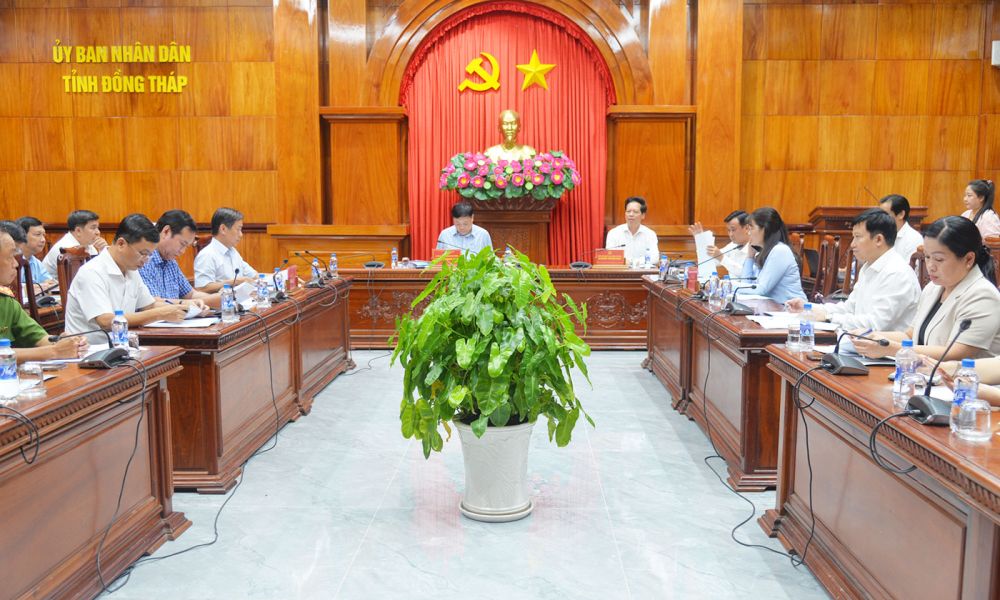
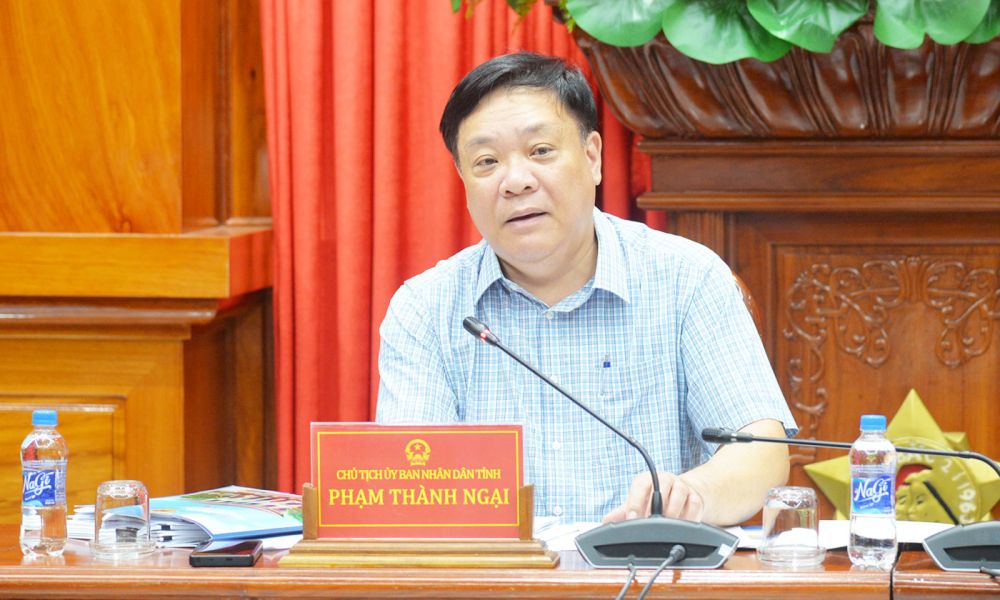
(DTO) On the afternoon of July 27, the Dong Thap Provincial Steering Committee for Waste Prevention and Control held a meeting to review the results of thrift practice and anti-waste efforts in the second quarter of 2026. The meeting was co-chaired by Pham Thanh Ngai, Chairman of the Provincial People’s Committee, and Nguyen Thanh Dieu, Vice Chairman of the Provincial People’s Committee.
According to the report presented at the meeting, during the second quarter of 2026, the province continued implementing thrift and anti-waste measures in a coordinated manner, achieving positive results in public finance and budgeting, public investment, public asset management, land management, natural resources management, construction, and administrative reform.
At the beginning of the year, the Provincial People’s Committee issued comprehensive plans to implement the Law on Thrift Practice and Waste Prevention and the National Strategy on Waste Prevention and Control through 2035. The province also organized a range of activities in response to the 2026 National Day for Thrift and Waste Prevention.
In public finance and budgeting, the province’s GRDP reached 57.855 trillion VND in the second quarter. During the first six months of the year, GRDP totaled 120.745 trillion VND, up 7.14% year-on-year, ranking second among the five Mekong Delta provinces and cities.
State budget revenue reached 13.179 trillion VND, equivalent to 55.43% of the annual estimate, while local budget expenditure totaled 21.073 trillion VND, or 52.51% of the annual estimate.
Regarding public investment, the province saved 5% of its 2026 local budget capital plan, equivalent to more than 436.5 billion VND, in line with the Government’s directive. Public investment disbursement reached 4.043 trillion VND in the first six months of the year, equal to 35.8% of the annual plan, exceeding the national average.
The province also streamlined its list of projects awaiting investment preparation, reducing the number from 671 to 550 to improve the efficiency of capital allocation.
Public asset management has also been strengthened following the administrative restructuring. The province completed the handling of 506 surplus public buildings and land properties by reallocating them to government agencies, assigning them to the Land Development Center for management and use, or transferring them to local authorities to develop management and leasing plans in accordance with regulations, helping reduce waste of public assets.
In inspection activities, the Provincial Inspectorate conducted nine inspections, recommended recovering more than 1.77 billion VND for the state budget, and proposed disciplinary reviews for related organizations and individuals.
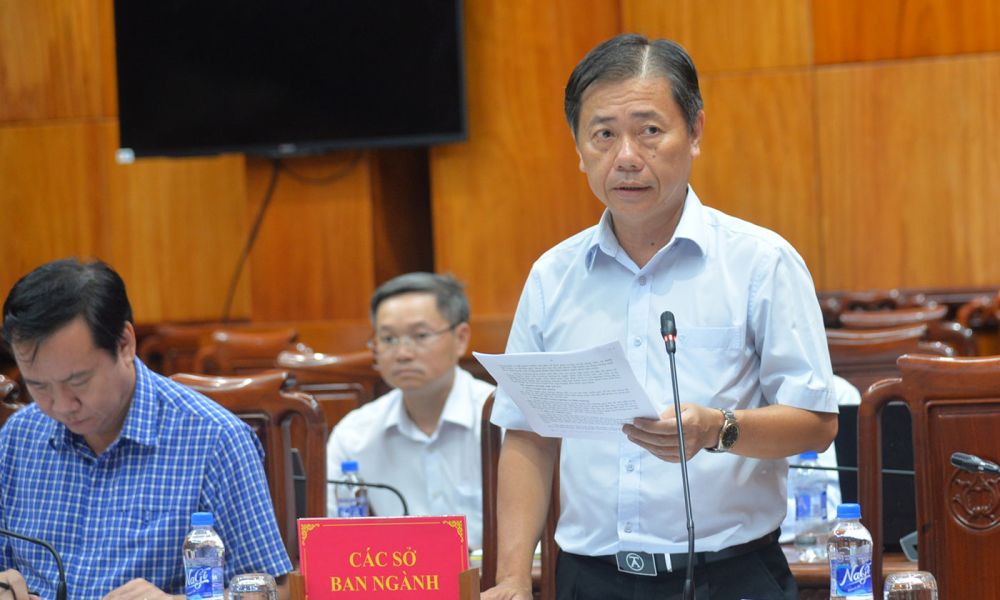
The construction sector also recorded positive progress as the province accelerated key infrastructure projects. To date, 18 of 26 projects have been completed and put into operation, six are under construction, and two are in the investment preparation stage. Total disbursement exceeded 8.428 trillion VND, equivalent to 88.3% of the allocated capital.
In land and natural resources management, relevant agencies intensified inspections of land use, resolved obstacles affecting delayed projects, addressed land-related bottlenecks to make better use of resources, and continued carrying out environmental impact assessments, issuing environmental permits, controlling pollution, and regulating mineral extraction in accordance with the law.
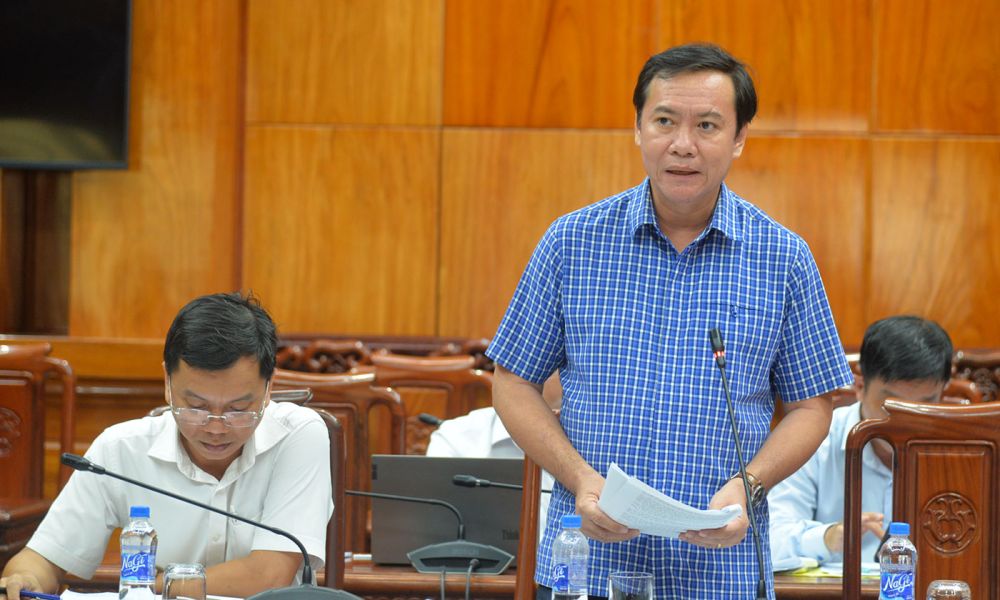
Public communication on thrift practice and waste prevention has been maintained through the media, legal awareness conferences, and patriotic emulation campaigns, helping raise awareness and strengthen the responsibility of officials, Party members, and the public in using the state budget, public assets, and social resources more efficiently.
Despite these achievements, the meeting also identified several challenges, including slow progress in preparing and adjusting planning documents in some localities, inadequate management of public land in certain areas, delays by many project owners in submitting appraisal dossiers, and ongoing difficulties with site clearance, relocation of technical infrastructure, and fluctuations in construction material prices, all of which continue to affect the progress of several projects.
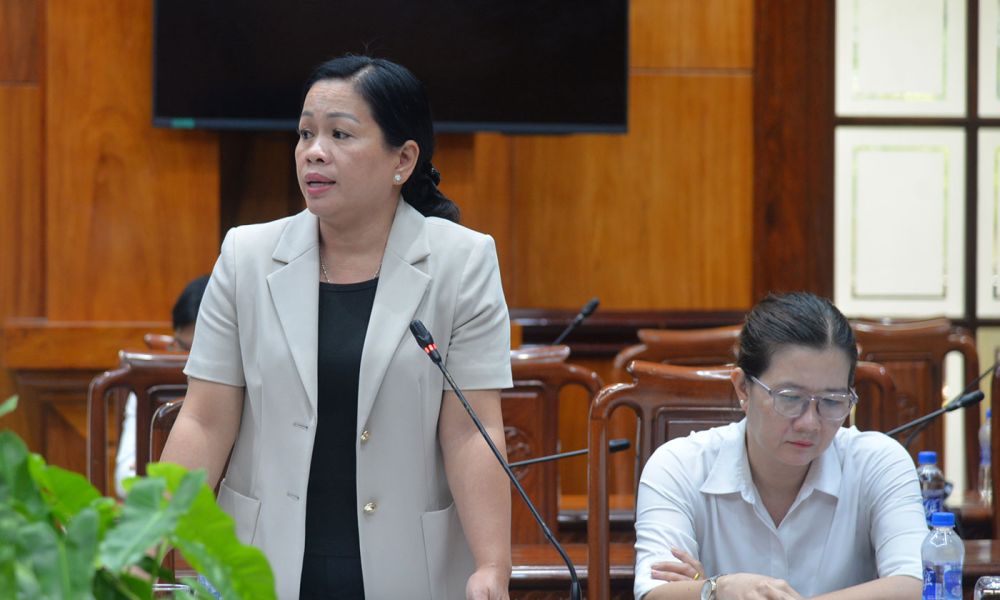
In his concluding remarks, Chairman Pham Thanh Ngai instructed provincial departments, agencies, and local authorities to continue thoroughly implementing the Law on Thrift Practice and Waste Prevention. He called for comprehensive reviews of all management areas to promptly identify and address shortcomings and potential sources of waste, while improving the efficiency of public budget spending, public asset management, and investment resource utilization.
The Chairman stressed that every agency and unit must regard thrift practice and waste prevention as an ongoing responsibility closely linked to the accountability of its leaders. Each sector should regularly review and evaluate the effectiveness of its programs, projects, public assets, and communication activities, while firmly addressing inefficient investment, underutilized public assets, and any practices that lead to waste.
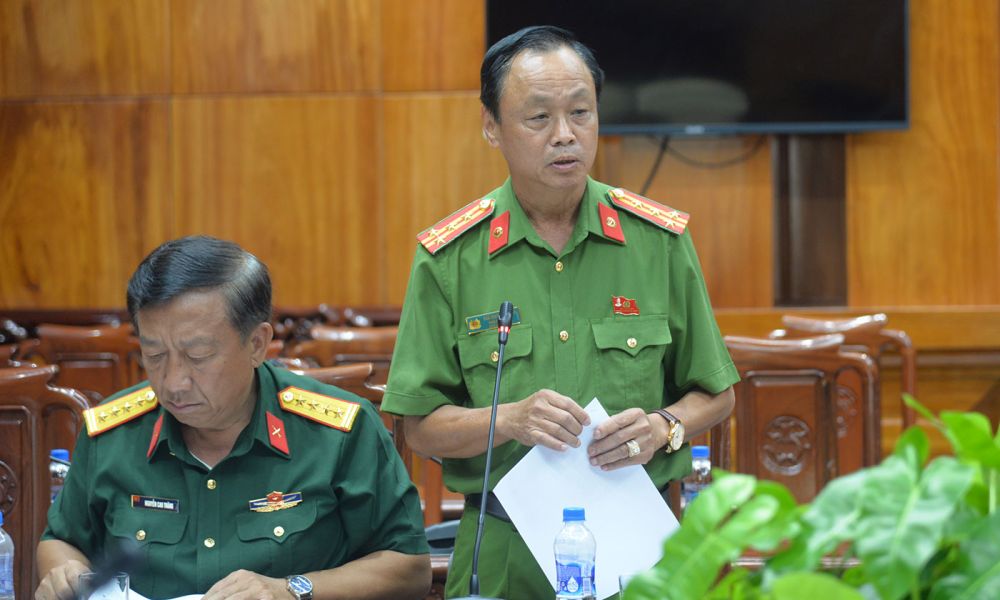
He also directed relevant units to urgently review projects, public works, and public assets facing obstacles in order to develop effective management and utilization plans. In addition, they were instructed to focus on resolving issues related to site clearance and construction material supplies, while accelerating the implementation of key projects to ensure the efficient use of resources for the province’s socio-economic development.
By P. MAI
Translated by ANH DUC