
Elevating Party Diplomacy and People-to-People Diplomacy in the New Situation
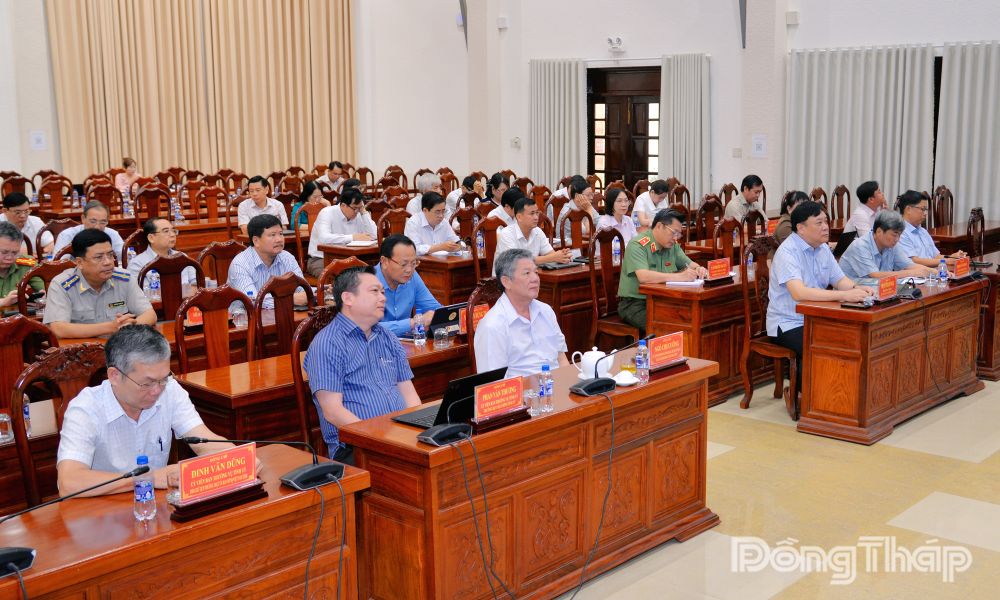
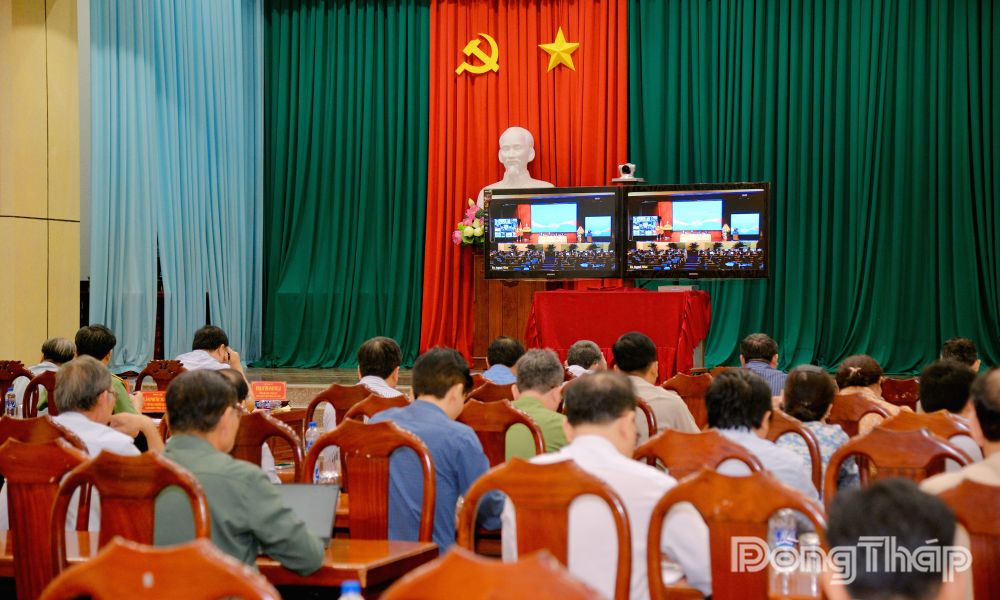
(DTO) On the morning of August 5, Tran Cam Tu, Politburo Member and Permanent Member of the Party Central Committee’s Secretariat, attended the plenary session on Party diplomacy and people-to-people diplomacy within the framework of the 33rd Diplomatic Conference. The conference was held in a hybrid format, connecting live to conference locations in provinces and cities nationwide.
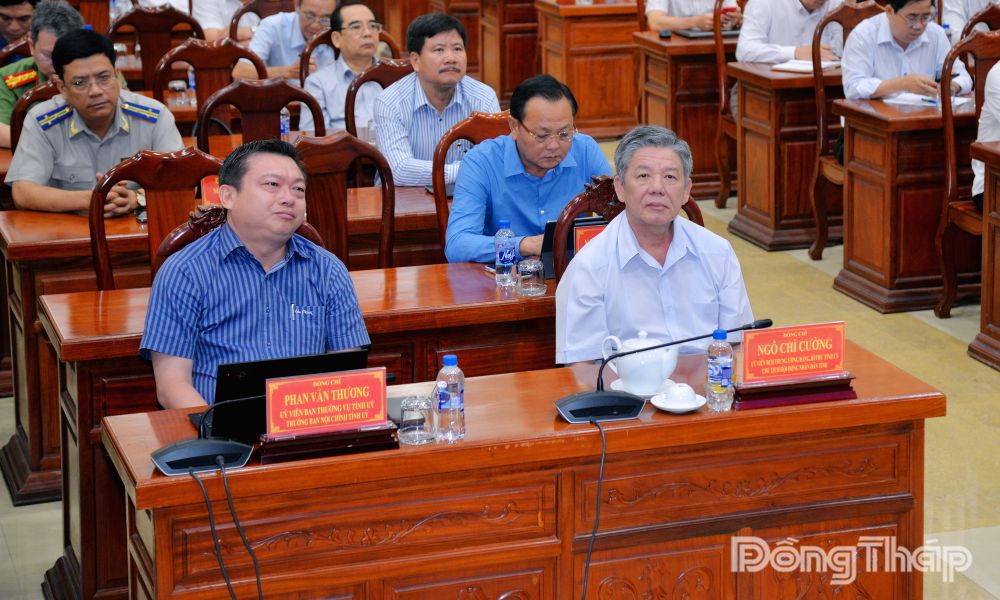
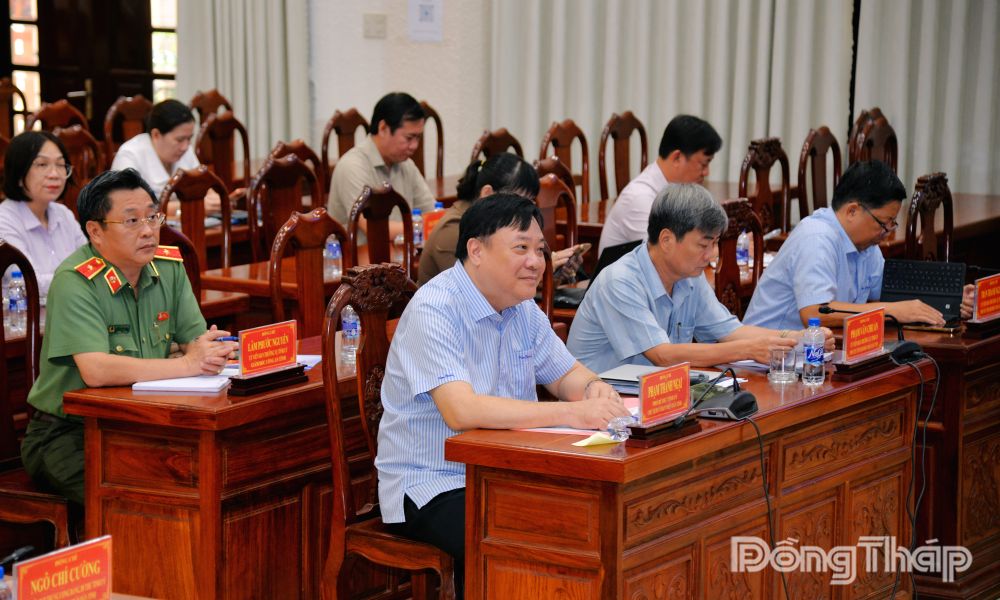
Attending at the Dong Thap Province location were Ngo Chi Cuong, Member of the Party Central Committee, Secretary of the Provincial Party Committee, and Chairman of the Provincial People’s Council; and Pham Thanh Ngai, Deputy Secretary of the Provincial Party Committee and Chairman of the Provincial People’s Committee.
In recent times, under the leadership and direction of the Party and State, and with the close coordination of agencies and localities across the political system, Party diplomacy and people-to-people diplomacy have continued to achieve many important results.
In particular, Party diplomacy has played an important role in consolidating political foundations, guiding, and pushing relations between Vietnam and other countries to become deeper, more stable, more substantive, and more sustainable. This has helped Vietnam proactively and flexibly adapt to rapid developments in the international and regional situations, consolidate relations with neighboring countries, traditional friends, and countries sharing borders, as well as strengthen relations with other key partners.
People-to-people diplomacy continues to promote the Vietnamese traditions of peace, flexibility, and affection. It contributes to fostering friendship between the people of Vietnam and other countries, maintaining a network of international friends, promoting people-to-people cooperation, cultural and educational exchanges, and connecting youth, women, intellectuals, businesses, overseas Vietnamese, as well as humanitarian activities and post-war recovery efforts.
Speaking at the conference, Tran Cam Tu noted that recent advisory work and strategic guidance on foreign policy guidelines and major foreign affairs decisions have steadily improved in quality. Party diplomacy has taken steps forward, expanding relations in depth and playing a key role in consolidating political foundations while directing and advancing Vietnam’s relations with other countries. People-to-people diplomacy has undergone positive shifts in mindset, content, and operational methods. Its partner network is expanding, and its participation in regional and international people-to-people mechanisms has become more proactive and substantive.
The 14th National Congress of the Party identifies foreign affairs as a vital and regular task. Politburo’s strategic resolutions on foreign relations and international integration have translated the Party’s foreign policy guidelines into concrete actions, raising the demand for deeper awareness, higher determination, stronger innovation, and greater creativity in execution.
Tran Cam Tu requested all levels of administration and sectors to thoroughly study, fully understand, and strictly implement the directions, tasks, and solutions for diplomatic work. He emphasized that foreign relations are not merely an area of external dealings, but have become a crucial component of national capability. Diplomatic work is not solely the duty of specialized agencies, but the cause of the entire Party, people, army, and political system.
It is vital to drive strong shifts in mindset and awareness regarding Party diplomacy and people-to-people diplomacy, proactively consolidate political trust, build international consensus, and help identify and address early risks affecting national and ethnic interests. At the same time, efforts should focus on boosting connections in priority fields such as high-quality human resource training, innovation, digital transformation, and rapid, sustainable development.
Levels of administration and sectors must continue raising awareness of the position and role of Party diplomacy and people-to-people diplomacy, as well as the requirement for synchronized coordination among the three pillars of diplomacy. Each pillar carries its own role and mission, yet all work toward the shared goal of effectively implementing the country’s foreign policy objectives. This ensures comprehensive Party leadership, unified State management, and close coordination among departments, ministries, sectors, and localities, tied to the responsibilities of their heads.
The Permanent Member of the Party Central Committee’s Secretariat expressed confidence that with political fortitude, intellect, solidarity, innovation, and a dedication to serve, foreign affairs personnel will continue to play a core role and coordinate closely to build the combined strength of a comprehensive, modern diplomacy. This will contribute to the successful implementation of the Resolution of the 14th Party Congress, propelling national development and elevating Vietnam’s position, role, and prestige in the international arena.
By HA NAM
Translated by ANH DUC